

The Ministry of Commerce continues to oversee goods and services with daily field visits to prevent opportunistic price hikes and hoarding. It also tightens control on fuel prices at gas stations, urging the public to consume sparingly and only in suitable, necessary quantities.
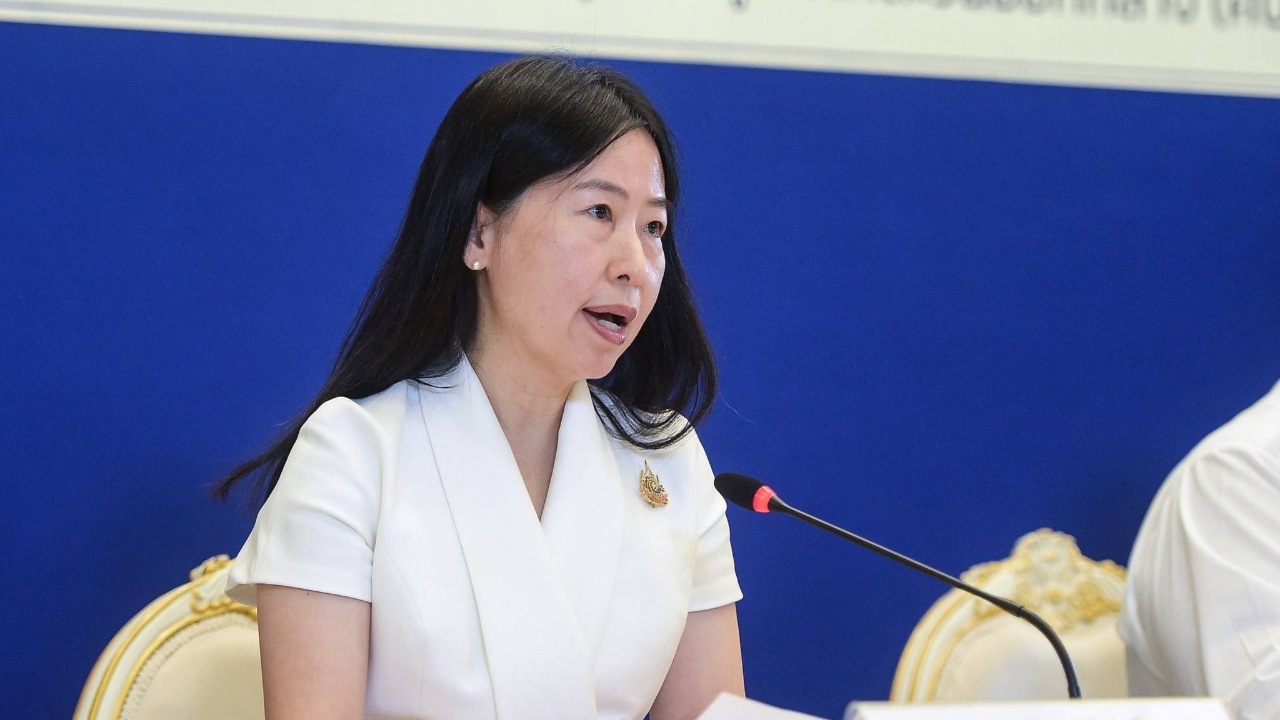
18 Mar 2026 GMT+7 Center for Management and Monitoring of the Middle East Conflict Situation (CMMC) Led by Ms. Kanittha Kangsawanich, Inspector General and Deputy Spokesperson of the Ministry of Commerce, a press conference was held regarding measures to control product prices and cost of living. The Ministry recognizes that rising energy prices impact agricultural and industrial costs as well as global living expenses. Therefore, measures have been prepared to manage both price and supply chain issues to mitigate potential effects and ensure sufficient availability, especially of essential consumer goods, with fair prices for both buyers and producers.
Furthermore, the Ministry affirms continuous work in supervising goods and services. Provincial commerce offices in all 76 provinces conduct daily field visits to monitor prices and assess situations to prevent opportunistic price increases or hoarding. Price increases or hoarding of goods

Regarding supervision of fuel prices at gas stations, Ms. Kanittha stated that collaboration is underway with provincial governors and the Ministry of Energy under the Provincial Committee on Goods and Services Prices (PCGSP). Therefore, if price increases or prices inconsistent with cost structures, hoarding, or refusal to sell are detected, strict legal enforcement will follow according to the Price of Goods and Services Act B.E. 2542 (1999), which carries a maximum penalty of 7 years imprisonment and a fine up to 140,000 baht, or both.

Regarding support for farmers, the Ministry emphasized that fertilizer stocks are sufficient until May, prices remain controlled, and shipments from the Middle East are awaited to replenish supplies. Efforts are underway to find substitute raw materials. The Ministry also uses this opportunity to encourage farmers to adjust fertilizer formulas and reduce reliance on imports by increasing microbial use. Additionally, if prices adjust due to raw material cost impacts, expanded support measures such as subsidized fertilizer programs will cover peak demand seasons, including the main rice planting and cassava cultivation periods from May to August.
Ms. Kanittha added, currently, consumer goods are sufficient nationwide, but due to uncertainties, the public is asked to consume sparingly in appropriate and necessary amounts to ensure continuous and equitable distribution, overcoming this situation together.
However, if operators sell goods at prices not matching the price tags or set excessively high prices disproportionate to energy-linked costs, the public can report tips via the Department of Internal Trade hotline 1569 or provincial commerce offices nationwide for Ministry officials to investigate and take legal action.
