

Ekniti ordered the Ministry of Finance to prepare for oil tax reductions if the US-Iran war escalates to a point that affects the oil fund. He declared that if a new government takes office, it can immediately drive measures to help the public.
On 18 March 2026, Mr. Ekniti Nitithanprapas, Deputy Prime Minister and Minister of Finance, revealed that the government is closely monitoring the energy situation, especially the impact from the escalating conflict between the US, Israel, and Iran, which has driven global oil prices steadily higher. This is a major challenge for Thailand's economy in 2026. There is consideration to reduce excise tax on oil to stabilize domestic oil prices. However, since the current government is a caretaker one, legal limitations under Section 169 of the Constitution prevent it from enacting laws or measures involving long-term budgets. Therefore, he has instructed relevant agencies to prepare policy readiness in advance so that the new government can immediately implement support measures for the public.
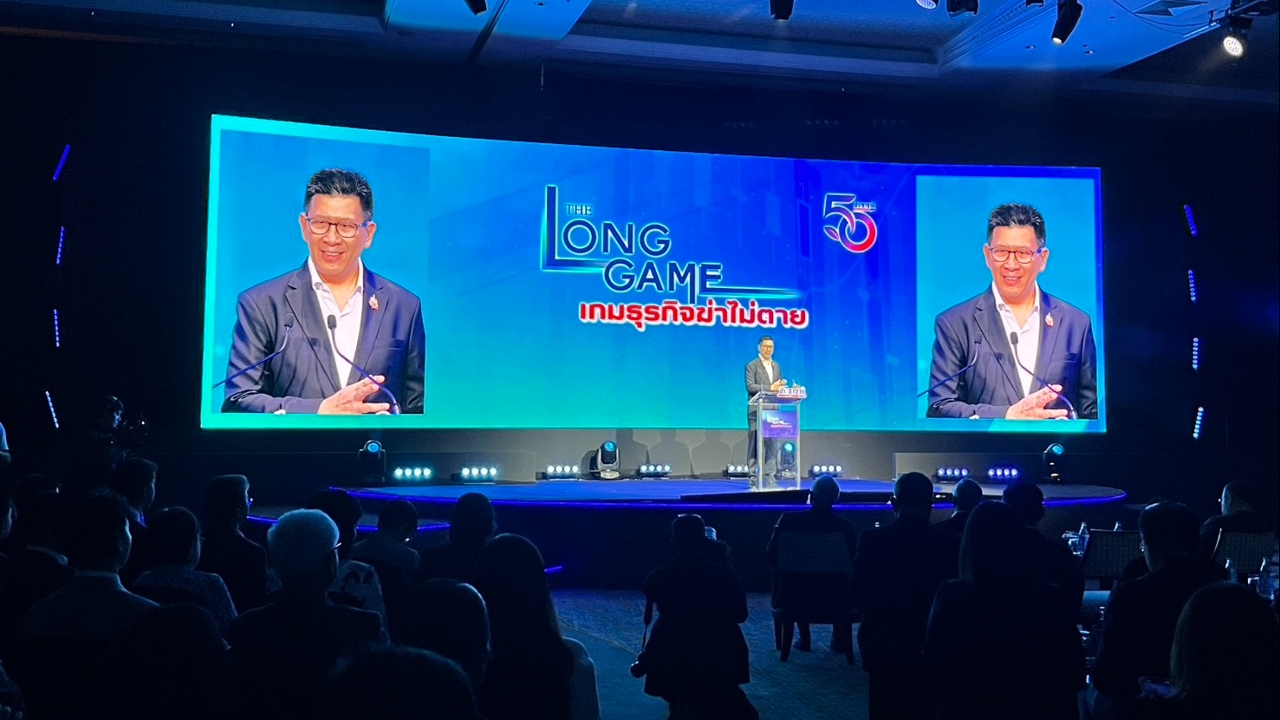
Currently, the oil fuel fund mechanism remains the main tool to stabilize domestic oil prices. But if the situation worsens to the extent that the fund's money reaches its limit, plans must be prepared to consider tax measures, such as reducing excise tax on oil. This was stated during the Prachachat Business seminar. "The Long Game: The Business That Never Dies" Mr. Ekniti spoke about three key pillars to counter trade challenges in the current situation:
1. Geo-economics and geopolitics, where security and the economy must be integrated. Thailand needs to establish itself as a strategically safe area.
2. Artificial Intelligence (AI), a crucial factor entering every industry. Businesses that survive must accelerate AI adoption to enhance competitiveness.
3. Transition to a Green Economy. The fossil fuel energy crisis accelerates the global shift to clean energy. Businesses that adapt to green practices faster gain advantages in cost and sustainability.
Mr. Ekniti also said that problem-solving must be disciplined, given Thailand's public debt obligations. Future growth must be broadly distributed, not concentrated in one area, to build real strength from the grassroots. This requires cooperation between government and private sectors for Thailand to overcome this crisis.