

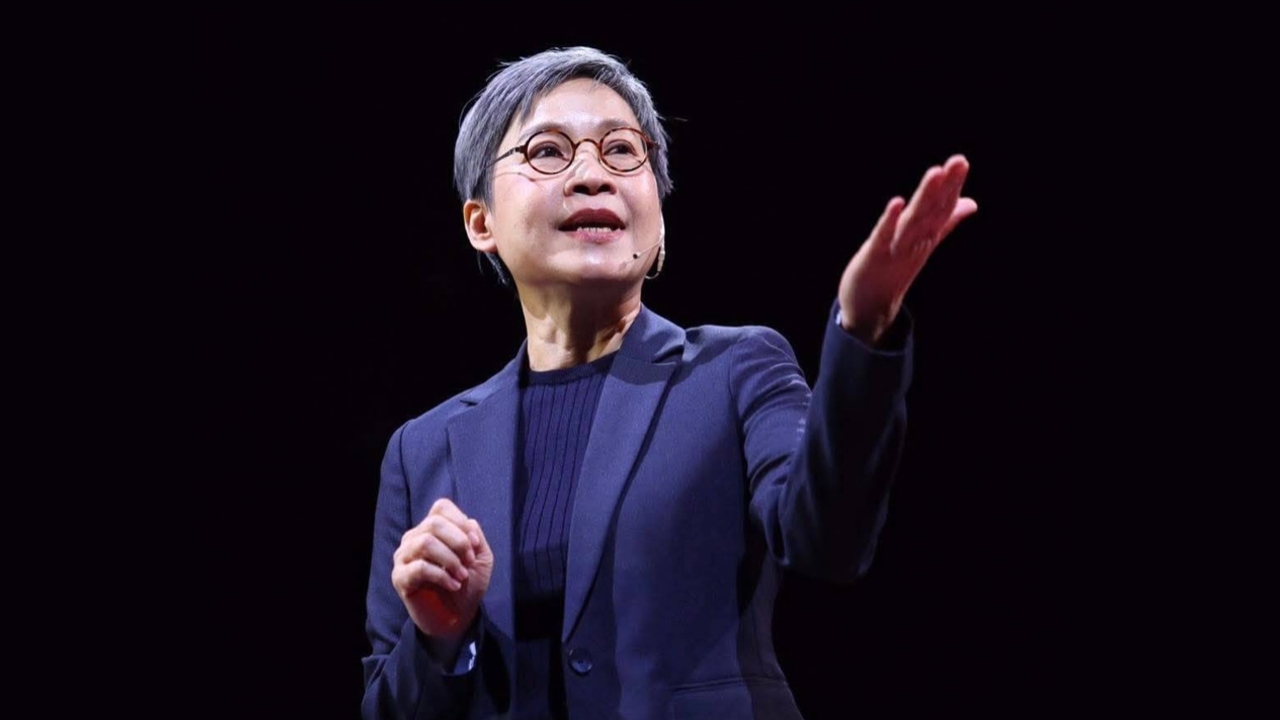
Nattaya, a Populist Party list MP, has urged the government to urgently care for vulnerable students due to the oil crisis and falling agricultural prices, warning that children of farmers might not return to school. She proposed that the Ministry of Education expedite surveys to provide assistance to these children.
On 23 March 2026, Ms. Nattaya Boonpakdee, a Populist Party list MP, commented on the oil crisis on 22 March, highlighting its compounding impact on agricultural households. She warned that many children might not return to school this term due to the combined effects of the oil crisis, expensive fertilizer, and falling crop prices worsening farmers' household conditions.
Ms. Nattaya explained that every year, the uncertainty of farmers' incomes leads to poverty in agricultural households, causing what is called the “Intergenerational Poverty Trap.” This year, farmers face rising chemical fertilizer costs, fuel shortages, and declining product prices.
Thailand’s aging society with declining birth rates includes nearly 8 million children and youth living in agricultural households, representing 39.2% of the country’s youth population. These households typically have lower economic status than other occupations and have nearly double the poverty rate among children and youth compared to the national average.
We have painfully learned from what many call a “scar” in population quality after the COVID-19 crisis, revealing that children and youth in poor households faced nutritional problems, learning setbacks, insecurity, and dropping out of education. Now, the country faces a fuel shortage crisis that worsens the already declining income crisis for farmers since early this year, a so-called double crisis.
Ms. Nattaya called on the government to quickly implement measures to mitigate impacts and not wait until large groups of children and youth are affected. She warned that delaying would worsen human capital decline caused by an aging society that is 'old before rich,' marked by deep inequalities. She made immediate proposals to the government including:
1. The Ministry of Education and the Ministry of Higher Education, Science, Research and Innovation should promptly survey the potential impacts on students at all levels to monitor risks and increase opportunities to assist children and youth before the crisis worsens, even during school breaks.
2. The Ministry of Interior should urgently survey vulnerable households in every locality to create community-level monitoring data linked with student monitoring data managed by the Ministries of Education and Higher Education, and immediately provide assistance to vulnerable groups at the local level.
3. The Ministry of Social Development and Human Security must urgently use vulnerable household data for proactive planning to keep these groups within the welfare system in a timely manner, preventing them from falling through social protection nets. It should take a leading role to connect the Ministries of Education, Higher Education, and Interior to integrate data and implement proactive measures to protect children and youth in vulnerable households and reduce duplication of aid efforts.
Additionally, the Populist Party has established a dashboard receiving information from 4,500 volunteers to monitor situations that may increase living costs, impacting the quality of life and educational continuity of children and youth.