

The Energy Regulatory Commission (ERC) firmly states that Thailand is not facing a natural gas shortage and has activated emergency backup plans by tapping gas from the Gulf of Thailand and coal. They are working hard to control costs fairly for electricity users across the country.
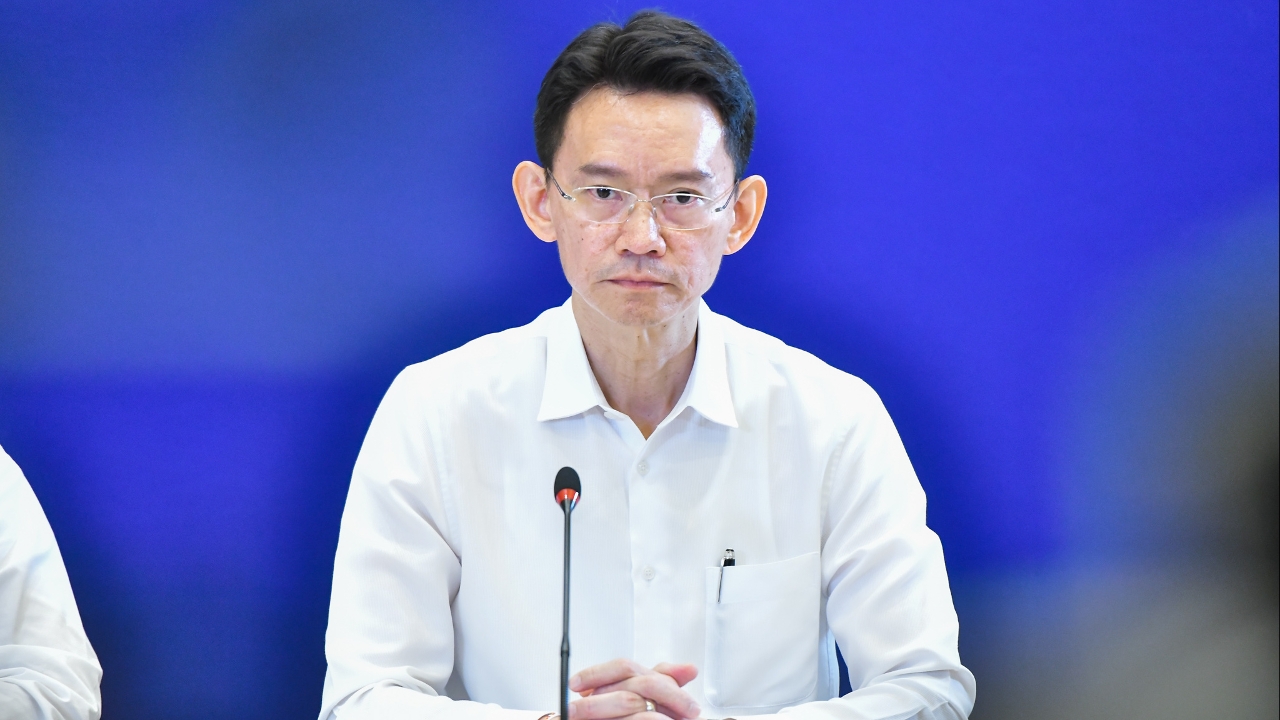
On 24 March 2026, Mr. Poonpat Leesombatpaiboon, Secretary-General of the Energy Regulatory Commission (ERC), spoke about the impact of unrest in the Middle East on Thailand's power generation. Currently, Thailand relies on natural gas as its main fuel source for electricity production, accounting for 56%. The conflict that erupted on 3 March caused spot market LNG prices to surge significantly from 10 USD per million BTU to 25 USD per million BTU, a 2.5-fold increase. However, the ERC stresses that this price volatility is a market mechanism effect, not a fuel shortage, and Thailand’s power system remains stable.
Mr. Poonpat also addressed concerns about gas imports: although Thailand imports about 15% of its LNG from Qatar, representing roughly 6% of total gas consumption, which poses a risk if the Strait of Hormuz is closed, the ERC has assessed and prepared for this risk. Thailand does not rely solely on Middle Eastern gas but diversifies supplies globally, including from Australia, Malaysia, the United States, and Africa. Additionally, Thailand’s current LNG inventory levels remain high, sufficient to meet increasing electricity demand during the hot season from April to May.
Furthermore, to manage costs and ease the impact on electricity bills for the public and economy, the ERC has cooperated with fuel suppliers and related agencies to make power generation plans more flexible. They have accelerated increasing electricity production from coal, hydropower, and boosted natural gas use from domestic sources in the Gulf of Thailand. These measures have been effective since March, reducing LNG imports by up to 70% of one shipload and increasing domestic gas output equivalent to 50% of one shipload. The ERC will continue to closely monitor the situation and regulate prices to ensure fairness and maintain the stability of Thailand’s energy system.