

The Secretary-General of the NESDC revealed that data on oil transport vehicles from all Section 7 traders has been requested for monitoring. He explained that fuel consumption remains above normal levels and confirmed preparations to stockpile fuel during Songkran 2026 to facilitate public travel both to and from destinations.
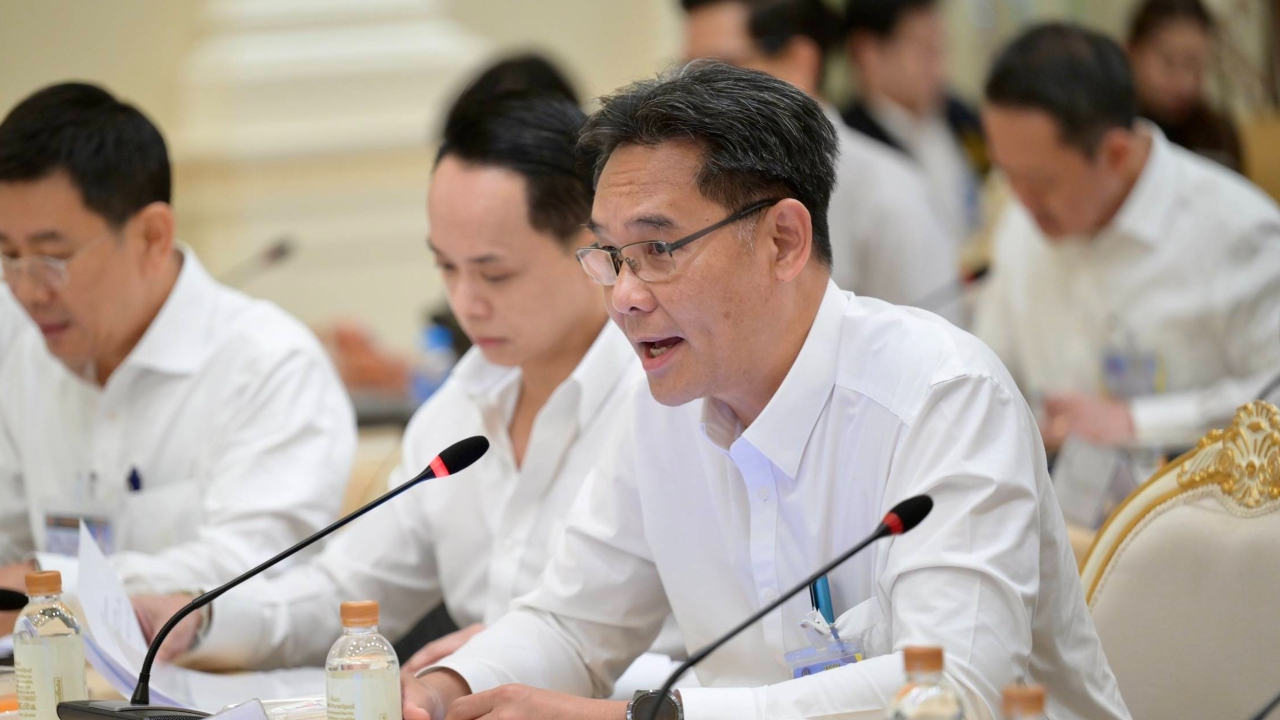
At 18:00 on 25 March 2026 GMT+7. Mr. Danucha Pichayanan, Secretary-General of the National Economic and Social Development Council (NESDC). In his role as a member of the Energy Situation and Middle East Tension Impact Management Center (ESMC), Mr. Danucha spoke at the Government House after a meeting on the energy situation. He said discussions with all Section 7 oil traders revealed that fuel has been released in greater volumes than before, following the easing of a 0.5% reduction in traders' fuel reserves, which the government has postponed.
Regarding fuel distribution to traders and service stations supplied by Section 10 traders, the relaxation of transportation time limits for oil tankers has sped up deliveries to stations running low on fuel. However, many stations still face shortages. Efforts are underway to adjust transportation logistics fully. For example, Shell has a system that monitors fuel levels at stations. After refueling around midnight, signals indicate when fuel will run out, with many stations showing depletion by 10:00 a.m. after nighttime refills. This indicates that fuel consumption remains above normal levels.

Meanwhile, the previous issue of allocating fuel to jobbers, where more fuel was delivered to stations than jobbers, causing industrial users to compete for fuel at stations, has been addressed. All Section 7 traders, including refineries, have reported that since 23 March, they have allocated 7 million liters of fuel daily to jobbers, a level close to that before the domestic pump fuel shortage crisis. This allocation is expected to increase gradually as easing and reserves continue.
Mr. Danucha added that the meeting requested data from all Section 7 traders regarding their oil transport vehicles. This information will be used for monitoring and prevention to deter system violations. Details requested include vehicle registration, driver identity, origin of fuel pickup, and destination. The Minister of Justice has established a joint task force with the Ministry of Justice, the Department of Energy Business, and Customs Department to monitor illegal exports. They will review daily transport data from Section 7 traders to track and inspect activities.
/ Additionally, preparations for Songkran 2026 were discussed, anticipating increased travel as people return to their hometowns. All Section 7 traders are arranging to increase fuel orders to stockpile at their respective depots to efficiently serve the public. Some traders have also prepared mobile fuel depots that can be quickly relocated to stations facing shortages. These measures aim to ensure smooth fuel availability, facilitating convenient travel for the public during the Songkran festival, both outbound and return trips.
