

The Ministry of Commerce announced two measures to support farmers by purchasing rice at prices higher than the market rate and coordinating with the Ministry of Energy to allocate diesel fuel in harvesting areas. The ministry reaffirmed its close supervision of product and service prices to ensure prices reflect actual costs.
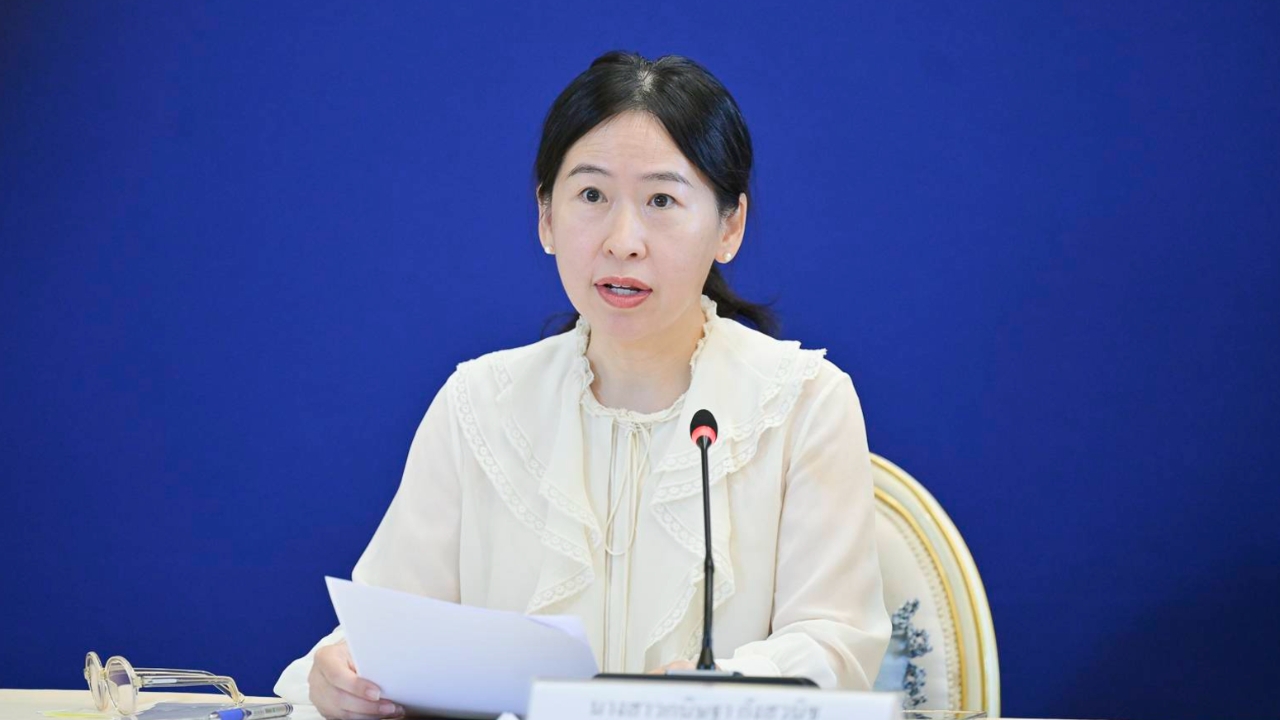
26 March 2026 GMT+7 Ms. Kanittha Kangsawanich, Inspector General and Deputy Spokesperson of the Ministry of Commerce, reported on measures to control living costs and product prices. From 5 to 25 March 2026, provincial commerce offices across all 76 provinces inspected nearly 3,000 locations: 1,786 gas stations, 606 fertilizer shops, and 585 markets and retail outlets. Violations of Section 28 of the Price of Goods and Services Act B.E. 2542 (1999) were found at gas stations in 11 provinces, totaling 17 cases of failure to display price tags. Authorities have issued charges and fines according to the law.
Ms. Kanittha said that from the start of March to 25 March, the Ministry of Commerce's Internal Trade Department hotline 1569 received 400 complaints about prices and product quantities. Of these, 152 cases have been investigated: 15 involved failure to display prices, 3 involved selling products at prices different from those displayed, 1 involved unclear price tags, and 133 showed no wrongdoing. The ministry is still investigating 233 complaints, including 33 alleging overpricing. Officials have requested cost documents for analysis and will take legal action if overpricing is confirmed.
In addition to supervising consumer goods to ensure fair market practices, the Ministry of Commerce also prioritizes monitoring all sectors, including farmers affected by production cost fluctuations, following the policy of the Minister of Commerce. On 25 March, the Department of Internal Trade met with the Thai Farmers and Rice Growers Association to prepare support measures for off-season rice farmers concerning both production costs and market access, with the following planned actions.

1. Off-season Rice Purchase Absorption Program for the 2026 Production Year This will commence on 1 April 2026 across off-season rice producing areas nationwide, starting with five key provinces: Nakhon Sawan, Phitsanulok, Phra Nakhon Si Ayutthaya, Kamphaeng Phet, and Sukhothai. The program aims to absorb one million tons of off-season paddy rice entering the market. The Warehouse Organization will coordinate with rice mills and agricultural cooperatives to open purchase points offering prices approximately 300 baht per ton above the market rate.
2. Additional Off-season Paddy Rice Markets in Production Areas Continuous markets will be organized from late March through May to directly connect outside buyers with farmers at their production sites. This aims to reduce transportation costs and expand sales channels for farmers. Prices at these markets are expected to be about 200-400 baht per ton higher than general market prices. Eight market events have been confirmed in provinces including Sing Buri, Ang Thong, Phichit, Phra Nakhon Si Ayutthaya, Phitsanulok, and Nan. The Department of Internal Trade's Weights and Measures branch offices have been instructed to ensure transparency in transactions, including weight and moisture measurements. Coordination with the Ministry of Energy and related agencies will expedite diesel allocation in harvesting areas to meet farmers’ needs for harvesting machinery.
Ms. Kanittha added that to reduce production costs, the Ministry of Commerce has prepared the Green Flag Plus fertilizer measure, which will be considered in a special Cabinet meeting today. This initiative supports discounts on chemical fertilizers and additional benefits for farmers holding Good Soil cards issued by the Land Development Department, including discount coupons for organic fertilizer purchases to help lower expenses. These preparations aim to support the upcoming wet-season rice planting season.
In conclusion, the Ministry of Commerce affirms it will closely monitor prices of goods and services to ensure they align with actual costs, remain reasonable, and that supply sufficiently meets public demand. If unfair pricing or market manipulation is detected, the public can report it 24/7 via the Internal Trade Department hotline at 1569.
