

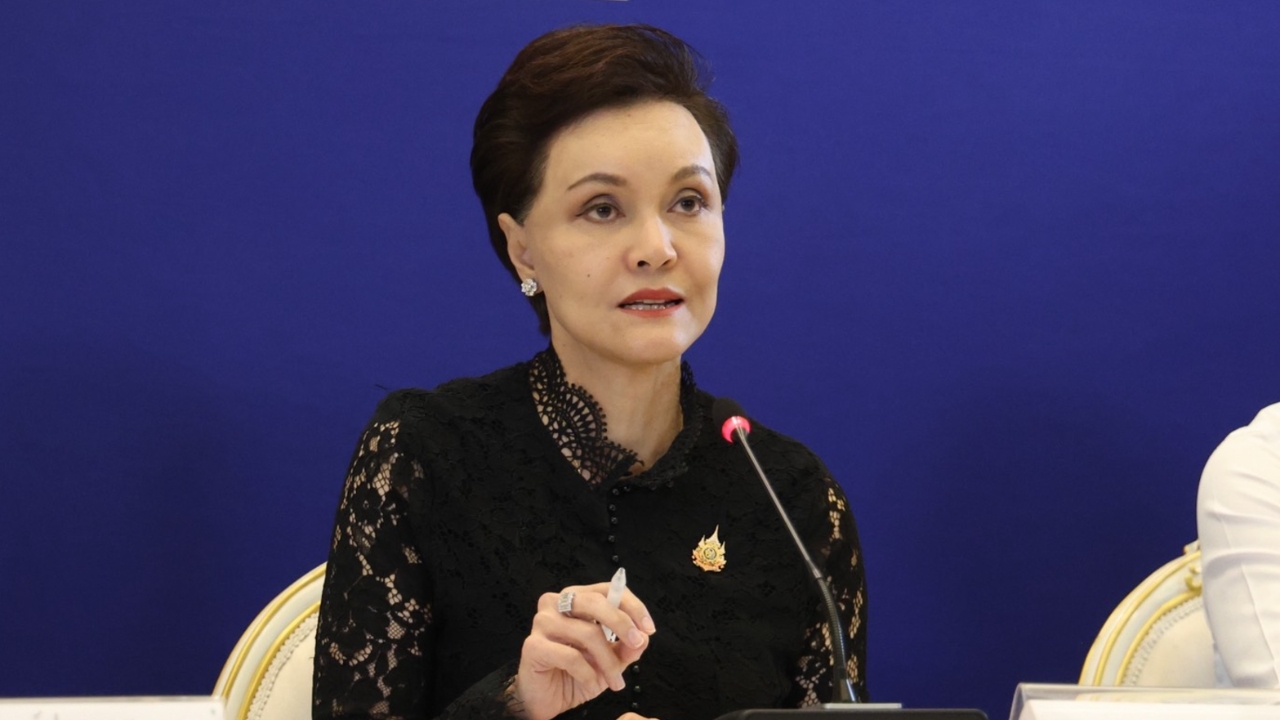
Supachai emphasized controlling 59 products and plans to add another 7 items such as plastic pellets and bottled drinking water, upgrading from price adjustment notifications to requiring permission for price increases. She also stressed that domestic fertilizer stocks last until April.
On 26 March 2026 GMT+7, Supachai Suthumpun, Minister of Commerce, revealed after a special cabinet meeting to address the energy crisis that during this critical period, the Ministry of Commerce has directed the Department of Internal Trade to coordinate with provincial commerce offices nationwide to oversee all 59 controlled products.
From the joint meeting, it was concluded that seven more products will be added, related to the supply-demand chain impacting product prices, such as plastic pellets, bottled drinking water, seasoning sauces, fish sauce, and soy sauce.
Currently, controlled products are categorized into 12 groups with five levels of control intensity. The highest level requires permission from the Department of Internal Trade before any price increases and includes eight products. Additionally, some products will have their control level raised from mere price adjustment notification to requiring permission, such as canned fish, instant noodles, powdered milk, and liquid milk, excluding fermented milk.
The Ministry of Commerce has already discussed with operators, affirming that existing stock in essential controlled product categories can still be managed. However, for general products, price increases are acknowledged and will be communicated to the public, such as sugar.
Regarding sourcing additional raw materials for farmers about to harvest certain crops, the Ministry will monitor fertilizer supplies, noting sufficient domestic stock until approximately April. Additional supplies can be procured but may vary in price. Therefore, relief measures are planned to mitigate impacts on farmers and fishermen, including discussions on fertilizer cost support and collaboration with the Ministry of Agriculture and Cooperatives to reformulate fertilizers to reduce reliance on imported inputs and increase organic fertilizer use where feasible.
Furthermore, talks have addressed prices of some necessary products not currently controlled. There has been successful negotiation with businesses to produce “Thai Help Thai” products at special prices, distributed across all 77 provinces via retail and wholesale channels. There is also a cost-of-living assistance program targeting vulnerable populations linked to the state welfare card, coordinated with the Ministry of Finance.
Supachai stressed that in managing essential products, measures are in place to prevent excessive stockpiling and ensure continuous supply. The Ministry’s team closely monitors this and rigorously enforces the Product and Services Act through inspections.