

Attakorn sees the government's inspection of oil inventories as only addressing symptoms, pointing to oil refineries as the source of the fuel shortage. He notes a sudden 6-baht price surge and asks Anutin who the public should trust. He warns the energy crisis could escalate into a crisis of public trust.
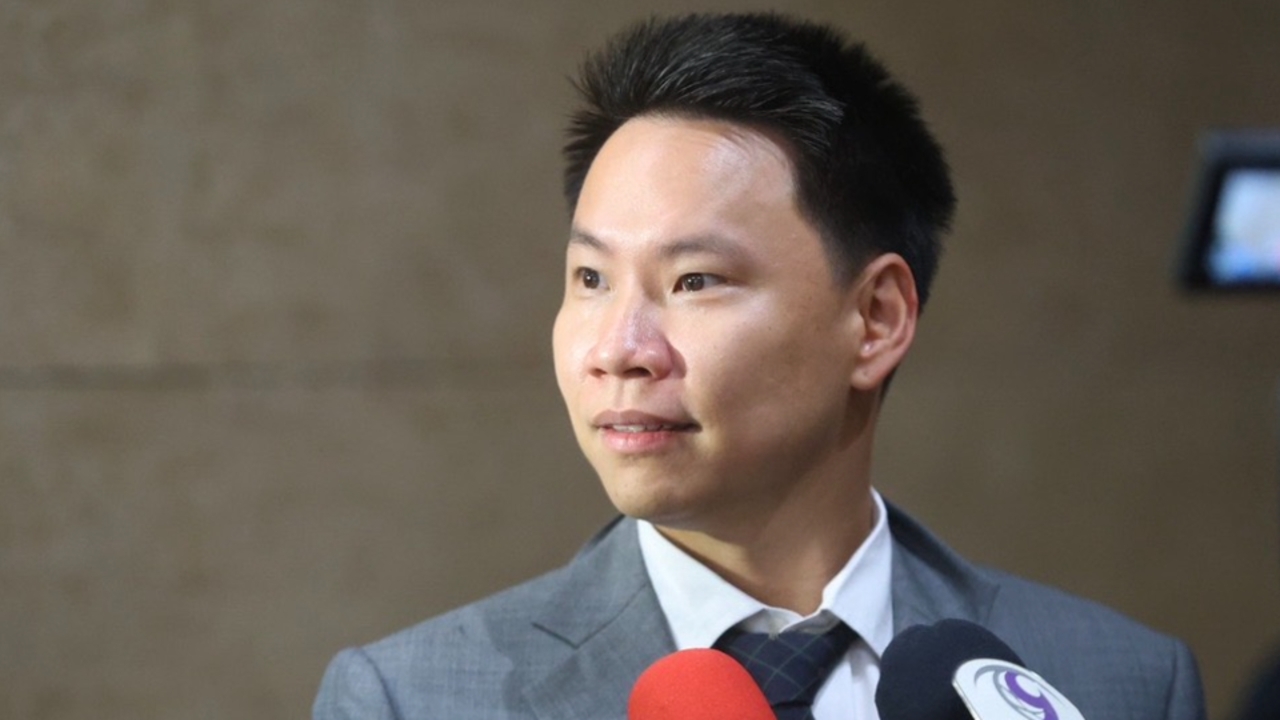
At 11:00 a.m. on 27 March 2026 GMT+7. Attakorn Sirilattayakorn, Member of Parliament (MP) for Chachoengsao from the Kla Tham Party. He spoke about the energy situation causing severe hardship for the public, saying the government is trying to build confidence by having the Ministry of Energy, the Department of Special Investigation (DSI), and police inspect fuel dealers legally, including major traders and independent jobbers, across 16 provinces at 35 locations nationwide. Authorities assured the public that oil supply would be sufficient and hoped to demonstrate control over the situation.
Attakorn further stated, Although officials carried out intensive inspections, results rarely found abnormalities. Meanwhile, many citizens still face shortages or sales restrictions at some stations. The question is, if there is no hoarding, why does oil disappear from the system at certain times? Moreover, the situation raised suspicion when oil prices suddenly increased by 6 baht, but market supply immediately became sufficient and sales were unlimited.
Such phenomena lead many to suspect the problem lies not at the endpoint like gas stations but upstream at refineries or within the entire energy management structure. Therefore, while inspecting gas stations is necessary, it only treats symptoms. The main suspicion focuses on allocation systems from refineries and distribution mechanisms, which may be delaying oil release.
"What the public needs is not just assurances of sufficient oil but verifiable evidence—numbers and facts—to provide clear contingency plans and transparency at a structural level, such as actual national oil reserves, allocation plans by time, and duration of sufficiency. For citizens, information is critical for life planning, especially during crises. Without deep data disclosure, traceability to the source, and clear explanations for irregularities, public confidence is hard to restore."
Attakorn added that previously, government leader Anutin Charnvirakul, the Prime Minister, clearly affirmed Thailand has sufficient oil reserves to handle the situation. Yet one or two days later, sudden shortages occurred in many areas. This created serious cracks in trust because the leader's assurances did not match the public's experience. The question is no longer just about oil sufficiency but about whom the people should believe.
"This energy crisis may not just be about oil but a crisis of public trust. Without clear answers before the Songkran festival, this crisis could escalate beyond fuel shortages to a crisis of faith in a government led by Anutin, in which Thai people can no longer place their hopes."