

"Chaiyachana" urges the Commerce Minister and government to quell the crisis of soaring product prices, revealing conflicting information on urea fertilizer stocks. He fears this will worsen conditions for farmers and proposes three strict measures to curb unreasonably high prices, preventing profiteering.
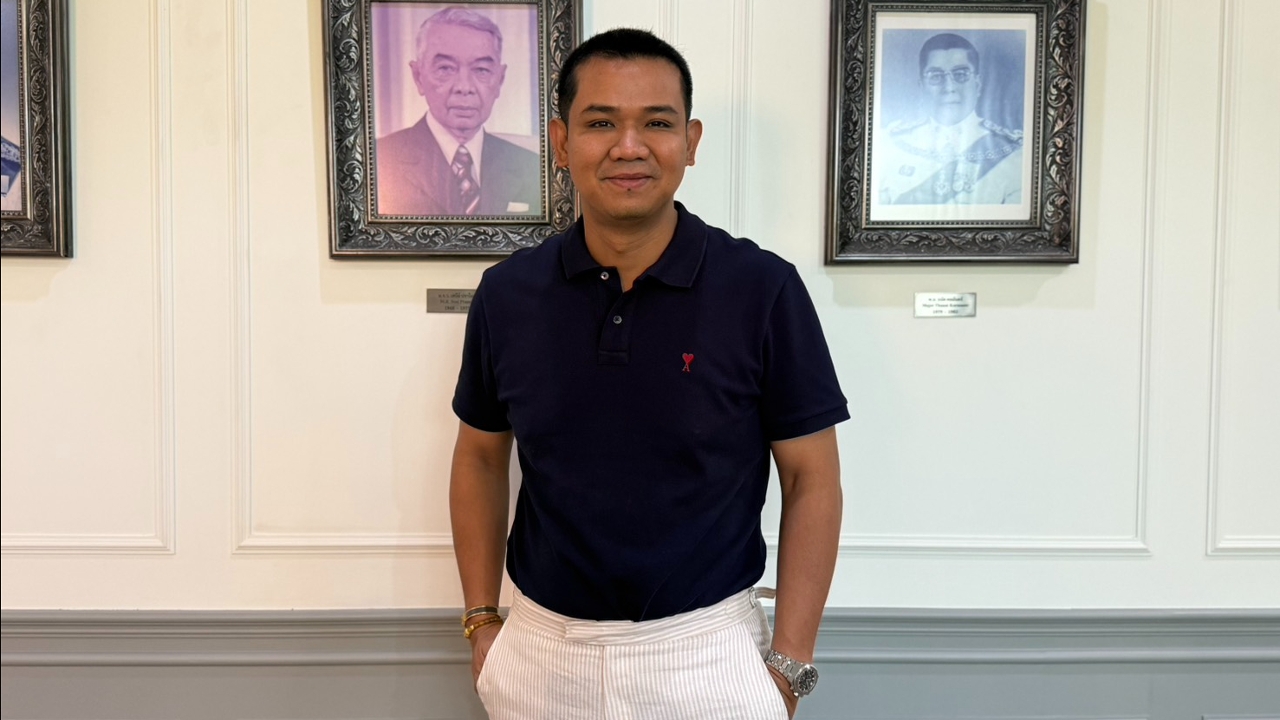
On 27 March 2026 at the Democrat Party headquarters, Mr. Chaiyachana Dechadecho, Deputy Leader of the Democrat Party, disclosed that the rapid 6 baht per liter increase in oil prices has triggered a chain reaction, causing prices of many consumer goods to rise immediately, especially essentials such as plastic bags, cooking oil, peanuts, and sugar. As a representative of the people, he expressed deep concern about the burden on citizens' cost of living.
He called for clarity regarding the "urea fertilizer" issue.
Mr. Chaiyachana stated that the most worrisome issue is "urea fertilizer formula 40-0-0," which is crucial for rice farmers whose crops are growing and require high fertilizer use. However, the government has provided confusing information about fertilizer stocks. Previously, the Commerce Minister confirmed sufficient fertilizer stock until August, but recently claimed it will last only until April. He therefore demands the government to truthfully inform society about the actual remaining fertilizer stock and calls on the Department of Internal Trade to disclose fertilizer production costs to the public, as well as whether prices are expected to rise further.
He proposed three measures to curb high prices.
At the same time, the deputy party leader suggested effective solutions as follows:
1. The government must implement measures to control prices of all consumer goods under regulation, preventing unjustified price hikes, especially for products not directly affected by oil costs. The government should stabilize prices to assist the public.
2. The government must clearly state whether, if oil prices decrease in the future, product prices that had risen will be proportionally reduced immediately, to prevent businesses from taking advantage of consumers.
3. The government must have a clear strategic plan to address future economic crises, rather than only providing short-term fixes.
"The government must be truthful with the public and implement targeted, concrete measures to help farmers and citizens overcome this cost-of-living crisis," he said. Mr. Chaiyachana emphasized this point.