

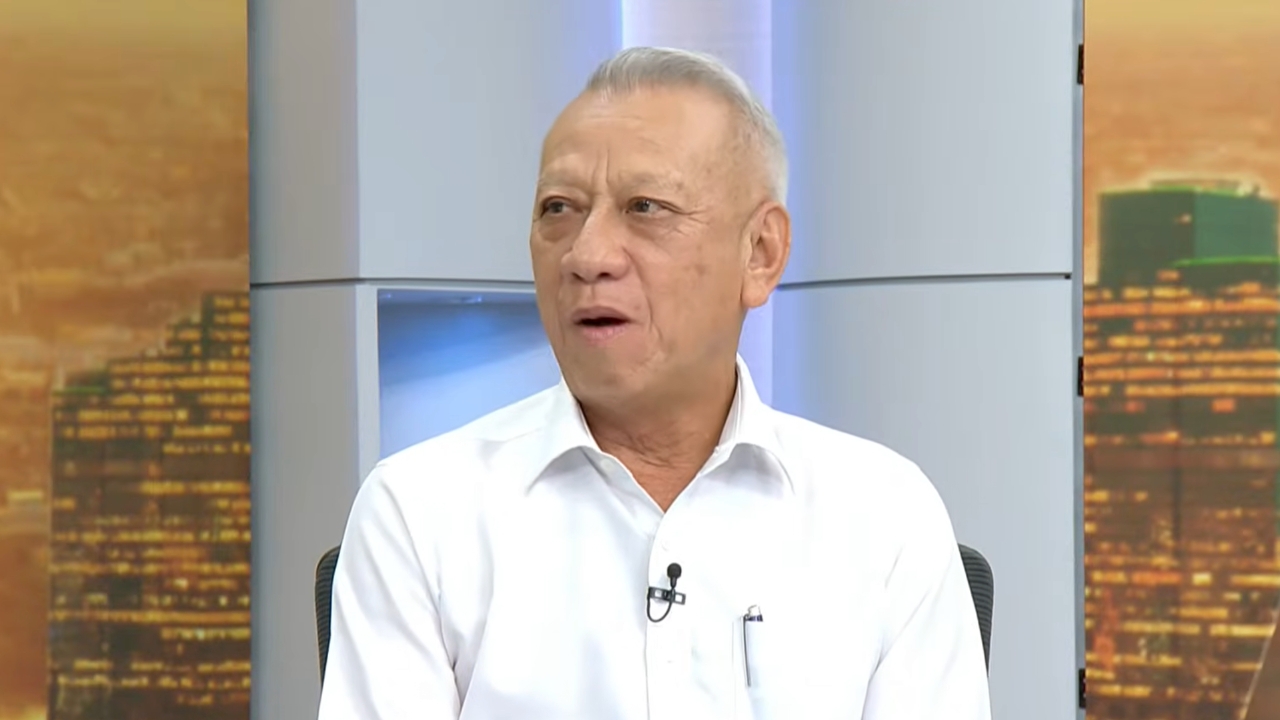
Phiphat revealed the Cabinet's special meeting resolution to cut the diesel excise tax by 1 baht, noting it cannot be applied immediately as it must be sent to the Election Commission for approval first. He confirmed he was informed about the 6-baht oil price hike only half an hour before the announcement.
27 March 2026 GMT+7 Mr. Phiphat Ratchakitprakarn, Deputy Prime Minister and Minister of Transport, also serving as Director of the Center for Management and Monitoring of the Middle East Conflict Situation (Director of the Center), revealed duringthe program "Workers' News Offscreen Talk"regarding the Cabinet's special meeting (26 March 2026) resolution to reduce the excise tax on fuel, he said the Cabinet resolved to reduce the excise tax by 1 baht, but it cannot be implemented immediately because the Cabinet must submit the matter to the Election Commission for approval first, which might be fast or slow depending on the Commission, but he believes it will not be delayed.
Regarding the question of why the reduction is only 1 baht, Mr. Phiphat replied that it must be done gradually. He explained that during the governments of General Prayut Chan-o-cha and Mr. Srettha Thavisin, the excise tax was zero, but time was needed because the Prime Minister must also consider the government's financial capacity. Previous events showed how much the Ministry of Finance's budget held; it is not always about passing the burden to consumers. The government must also consider its own financial condition.
Mr. Phiphat said it is a matter of responsibility. Deputy Prime Minister and Minister of Finance Ekniti Nitithanprapas must calculate carefully. They will pilot a 1 baht reduction first. If the crisis worsens, it will be reversed. Ultimately, whether 1 baht, 6 baht, or 10 baht, or borrowed from banks to fund the oil fund, it is all public money.
If the state does not collect the targeted tax revenue, borrowing is necessary. But if tax revenue remains stable, the Oil Fuel Fund Management Committee (OFMC) can borrow to inject into the fund, which is still a loan. When the state fails to collect taxes, the money is lost. However, if OFMC borrows, when oil prices fall, the loan can be repaid. If the state loses the money outright, it is gone. This presents a choice to consider, and for now, the baseline is a 1 baht reduction.
Mr. Phiphat also reiterated about the announcement of the 6-baht oil price increase late at night on 25 March, saying he had no reason to lie and that he knew about the price hike only half an hour before the public announcement. He expressed some frustration, stating, "People think I lie all the time, so whether true or false, let the public decide. I can't speak for myself; I have nowhere to cry. Today, they say I am involved in a conflict of interest because I am a shareholder in PTG (PT gas station company)."