

The Prime Minister stated that oil has not disappeared; the figures for receipt and delivery are close, assuring there is enough supply. He clarified that the government does not profit from oil operators, and if prices were lowered further, foreign countries would flow in to use Thai oil.
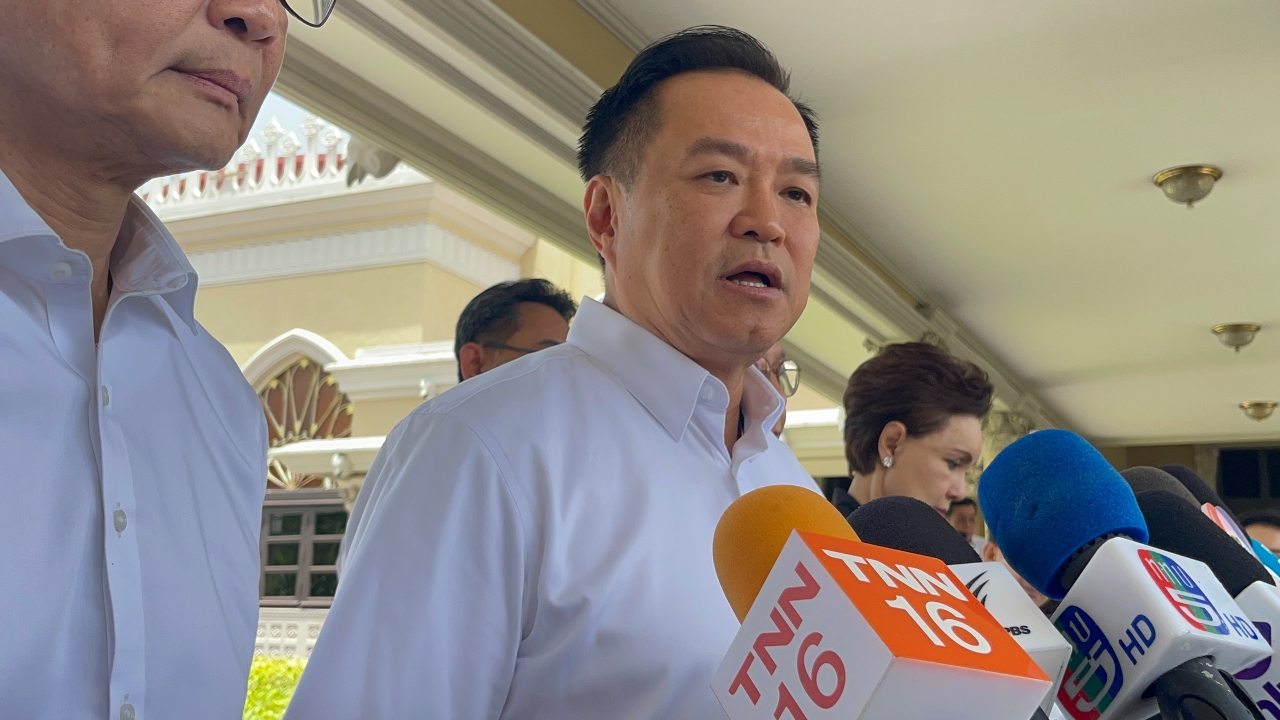
On 28 Mar 2026 GMT+7, Anutin Charnvirakul, the Prime Minister, gave an interview after attending the "Meet the Press" event. The event was titled "One Month of Global Crisis: Thailand's Plan to Cope in a Changed World." He said the government is confident the amount of oil supplied to the public domestically is sufficient. This is reassuring, but it’s not enough to just state it; figures and a dashboard are used to show how much oil leaves refineries to storage, from storage to jobbers, and then to gas stations nationwide. This builds confidence that no one is hoarding oil.
When asked if the government could ask private companies not to raise oil prices according to market forces, the Prime Minister said oil reserves are kept for cases when crude oil supply stops, but that doesn't mean reserves are used in every situation. He emphasized prices follow market mechanisms; if prices are too low, it encourages export to other countries. This is not fraud. Previously, Thais fueled vehicles to transport goods to Malaysia, then refueled fully in Malaysia. Now, the situation is reversed since prices in Thailand are cheaper than in Malaysia, so Malaysian transport vehicles come to Thailand to refuel. This reduces oil availability for Thais and necessitates price adjustments to align closer.
Regarding whether oil prices would rise as much as 6 baht per liter at once, he said prices still must reference global market rates. The government’s actions have not been to increase profits for operators but have used the Oil Fund mechanism. However, this approach cannot be sustained long-term. Prices must balance to minimize impact on the public, and all parties must cooperate to conserve oil. Additionally, the Oil Fund should not bear heavy burdens in supporting oil prices; funds will be redirected to assist the public through other channels and expand target groups.
When asked if the oil price support would be fixed at 16 baht per liter, the Prime Minister said the government reduced support from 24 baht to 16 baht per liter. Daily oil consumption is about 60 million liters. With public cooperation, about 1.5 billion baht per day is allocated to support the Oil Fund, benefiting other groups like transport, fishing, agriculture, and vulnerable populations.
Regarding the Prime Minister’s order that oil supplies must reach over 10,000 gas stations by the end of this week and the current situation, he said that yesterday he held a meeting with all provincial governors. He was informed the situation is improving, there is oil available to the public, and he instructed governors to oversee the situation at gas stations in their provinces.
When asked if some provinces still have problems, the Prime Minister said the amount of oil leaving refineries to storage matches closely with the amount reported received nationwide. Some losses occur during transportation, but oil has not disappeared. He did not answer whether there will be long queues for fuel during the Songkran festival.