

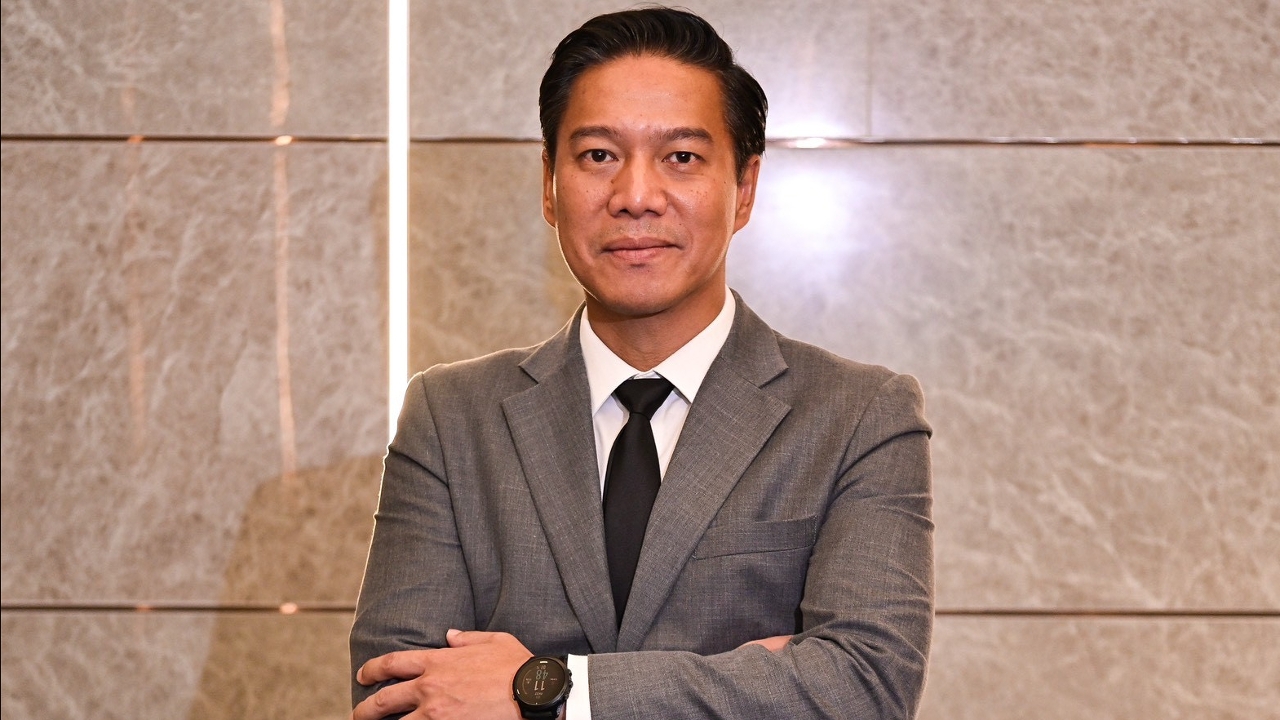
Kanveer urges the new government to prepare for migration challenges and the increasing problems of migrant labor, recommending opening pathways for labor registration and tax collection to support national development and progress in the country.
On 28 Mar 2026 GMT+7, Kanveer Suebsang, leader of the Plawad Party, spoke about a major challenge the new government must consider: managing irregular migration involving refugees, stateless persons, and migrant laborers. These longstanding issues are intensified by current global situations, especially conflicts in the Middle East. He noted that although Thai government policies allow 40,000 Myanmar conflict refugees at border camps to work, grant legal status to 483,626 stateless persons, and have implemented labor MOUs enabling migrant worker registration, further action is needed.
"However, these measures are likely insufficient, as many countries face similar impacts. Irregular migration will increase, especially refugees near the Thai-Myanmar border, where about 300,000 displaced people from Myanmar may cross into or seek asylum in Thailand due to worsening conditions. With ongoing conflicts pushing Myanmar fighting harder, Thailand must consider how to manage an influx of approximately 300,000 refugees and migrant workers who cannot re-register under MOUs with their home countries, including Myanmar, Laos, Cambodia, and Vietnam," Kanveer said.
Kanveer emphasized that the new government faces urgent challenges in managing irregular migration. He expressed concern over whether the Thai government will respond promptly, given the convergence of issues such as energy crises, politics, and irregular migration. Vulnerable and marginalized groups risk being deprioritized in policy responses.
Regarding the Middle East crisis, Kanveer stated it affects the economy, businesses, and workers, creating a cycle of related problems. He urged turning these challenges into opportunities by identifying businesses that can integrate migrant workers—both skilled and unskilled—to fill gaps and sustain operations.
"Currently, there are refugee workers who are doctors and teachers ready to work. There are educational and learning centers for migrants. If properly registered, they can legally work, pay taxes to Thailand, and contribute tax revenue to help develop the country. This tax base growth benefits Thailand’s development. Although there are impacts, we must think beyond traditional frameworks," Kanveer explained.
He stressed the importance of moving from seasonal, temporary labor—such as harvesting longan or durian—to creating sustainable employment systems. This approach would generate tax revenue, provide education, and ensure migrants receive social benefits, which they in turn purchase, further contributing taxes to Thailand. A comprehensive perspective is necessary.
Kanveer reiterated that these policies are a good start. Thailand has been praised by UNHCR as a positive model. He noted the government resolution on stateless persons has also received international commendation. The next step involves addressing issues like nationality irregularities, which remain unresolved.