

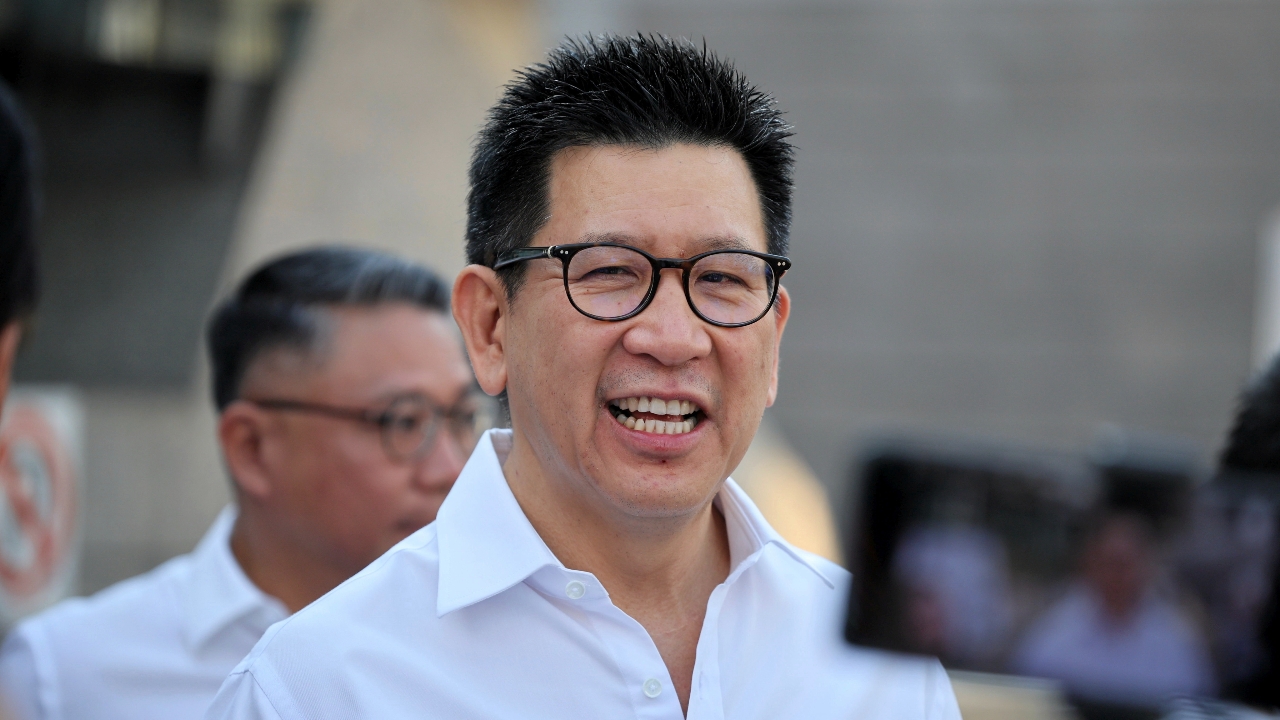
Ekkaniti proposes a special Cabinet meeting tonight to urgently tackle pressing issues without waiting for a policy statement, aiming to overhaul refining margins. He criticizes the 14-17 baht figure as merely a mythical number and hints that on 11 April, measures to support vulnerable groups and transportation will be announced, confirming the 'Khon La Khrueng Plus' program is definite.
6 April 2026 GMT+7 Mr. Ekkaniti Nitithanprapas, Deputy Prime Minister and Minister of Finance, in his role as Chairman of the Committee on Fuel Price Cost Study (CFPCS), revealed that the CFPCS held continuous meetings over three days until the night of 5 April. This was not to negotiate figures with refineries but to compel them to open their accounts and provide the true cost and actual selling prices, in order to calculate any excess profit using the government's own formula. He said the committee will present conclusions on the oil price structure to tonight’s special Cabinet meeting. This will be the first time the government uses constitutional power under Section 162, an exception in urgent emergency situations, allowing immediate administration and public assistance without waiting for a policy statement to Parliament first.
Regarding reports that refining margins have surged to 14-17 baht per liter, Mr. Ekkaniti said these are actually reference numbers discussed within the CFPCS meeting, which he termed “mythical figures” that do not reflect real costs or current conditions. The committee plans to propose reporting accurate figures to clarify for the public. Detailed audits of each refinery’s accounts revealed anomalies in the price structure due to the war, creating a War Premium risk. Oil has become scarce, and buyers have to pay high prices.
Additionally, Thailand references Singapore market prices, where refined oil prices have risen much higher than crude oil. Thus, from March through April, refineries have actually earned excess profits because selling prices exceeded costs. The refining margin now must include the War Premium, making it higher than the historical average of 2.45 baht per liter, but certainly not as high as the reported 14-17 baht.
The approach to solving the problem is divided into two phases: 1. For March retroactively, since the law does not apply retroactively, the government will have the Ministry of Energy negotiate with refineries to seek excess profits to help reduce public burden, similar to the model used during the Russia-Ukraine war.
2. For the future, from April onwards, the government will use the Emergency Decree on Fuel Shortage Prevention B.E. 2516 (1973), which authorizes the Prime Minister to delegate to the Energy Policy Administration Committee (EPAC) to set prices and refining margins going forward. Minister of Energy Mr. Ekniti Promphan will convene a meeting on 7 April to use real costs, actual selling prices, and past average profits as standards for calculation and oversight.
"From now on, the Ministry of Energy’s published figures must clearly separate normal refining margins and War Premium risk to avoid lumping them together, ensuring the numbers reflect reality and do not alarm the public," he said.
Regarding refining margins, the Ministry of Energy estimates the suitable five-year average remains 2.45 baht. A fixed ceiling cannot be set because the cost structures of the six refineries vary greatly. For example, one refinery is impacted by oil imports stuck at the Strait of Hormuz, bearing a higher War Premium than others. If the government sets a fixed profit ceiling, that refinery would immediately incur losses and might withhold imports, creating a bigger problem of oil shortages. The government also avoids using windfall tax because the Ministry of Finance found it suits permanent gains, like land price increases from new roads, but oil prices fluctuate. Therefore, the 1973 Emergency Decree is a quicker and more appropriate mechanism for this emergency.
Meanwhile, Mr. Ekkaniti also spoke about public assistance measures, saying a Cabinet meeting will be held after the policy statement to Parliament on 11 April, focusing on measures to directly address oil price impacts. The aid will target vulnerable groups, transportation sectors, farmers, and fishermen. The 'Khon La Khrueng Plus' program and welfare card top-ups are certain and will be implemented, but not on 11 April. Because funds must be reserved as mechanisms for economic recovery and cost-of-living relief in the longer term, since energy price impacts will inevitably spread to product costs and the overall economy.