

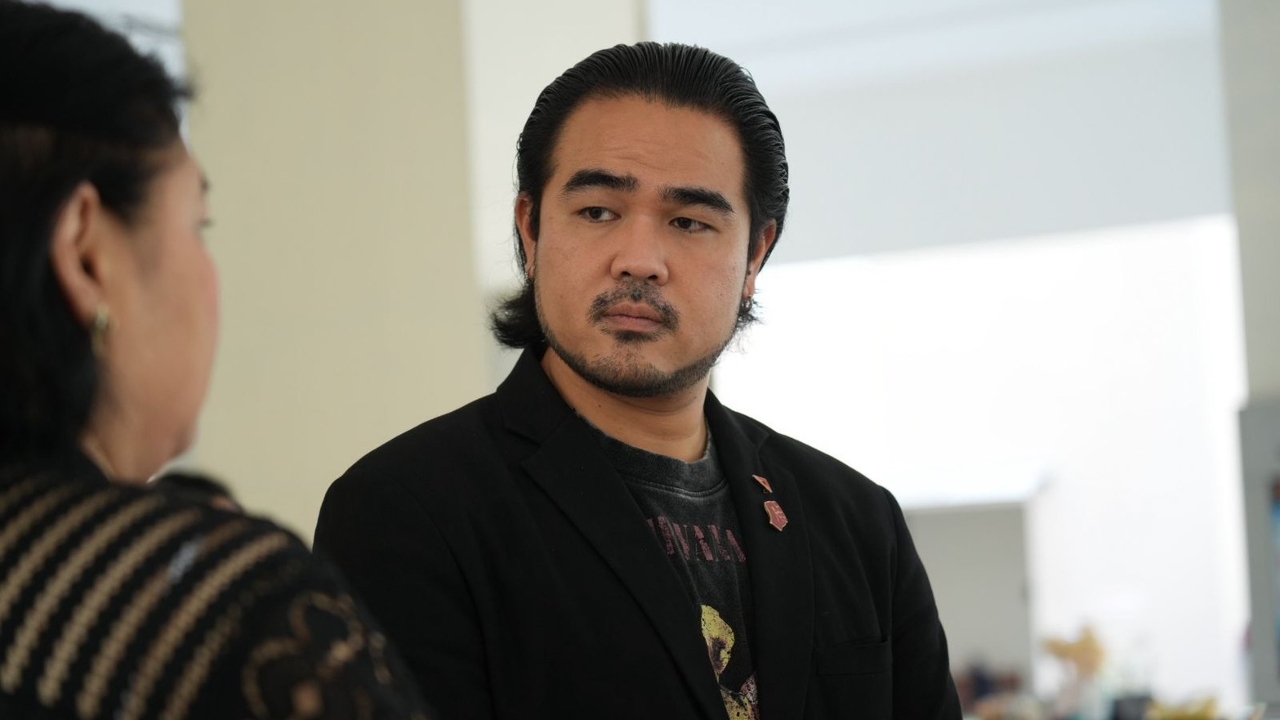
Sahasawat expresses concern that extreme heat is causing deaths among the public and urges the government to pay attention to labor risks by establishing clear measures on what heat levels require stopping outdoor work.
On 6 April 2026, Mr. Sahasawat Khumkong, MP for Chonburi from the People’s Party, stated that every year during April–May, Thailand regularly faces extreme heat. This has become seen as normal for a tropical country, reducing the issue to mere discomfort that can be alleviated by a fan or air conditioning. In reality, heat is not a minor problem, nor can everyone handle it equally, especially those who work outdoors.
Data from the Department of Disease Control indicate that in 2024 there were 63 deaths related to heat conditions, and 21 deaths in 2025. The majority were men employed as laborers, with over 60% dying outdoors. More than half had underlying illnesses such as hypertension, diabetes, and heart disease.
Looking back at Thailand’s data from 2018–2023, focusing on the hot season from March to June, there were a total of 139 deaths. The most affected groups were men, the elderly, outdoor workers, and those with underlying health conditions. This clearly reflects that "Heat" is not merely a weather condition but a health and labor risk affecting many people.
Mr. Sahasawat added that research from Thailand and abroad confirms that heat directly impacts the body, increasing risks of heatstroke, work-related injuries, and acute kidney failure. Studies show that as temperatures rise, the risk of kidney failure significantly increases, especially in tropical countries and among people with preexisting conditions.
Additionally, ultraviolet (UV) radiation often overlooked with heat is critical. The World Health Organization states that when the UV Index reaches 3 or higher, protection should begin, and at 8 or above, midday sun exposure should be avoided as much as possible. Therefore, prevention should not be limited to sunscreen but include wearing protective clothing, hats or sunglasses, seeking shade, and reducing outdoor work during peak sun. The key question is not just "how hot is it," but "how well do we protect workers from heat?"
The People’s Party MP also emphasized that heat is not viewed as natural but is classified as a "labor risk" that requires clear measures. For example, Spain and Greece prohibit outdoor work when temperatures reach dangerous levels, while Middle Eastern countries like Qatar and the United Arab Emirates have laws banning outdoor work during daytime in summer. France and Australia have systems allowing breaks and giving workers the option to stop work when conditions are hazardous.
However, in Thailand, although occupational safety laws mention heat and the WBGT standard is used, there is no clear guideline on "when work should stop." In practice, many workers continue working even when temperatures exceed safe levels.
The government should implement clearer, more concrete measures such as defining heat thresholds for stopping outdoor work, issuing rules on break times and work schedule adjustments, setting specific standards for outdoor professions like construction workers, cleaners, delivery drivers, and traffic police, and providing adequate drinking water, protective equipment, and well-ventilated rest areas.
Simultaneously, the state should establish proactive alert systems directly reaching the public, such as SMS warnings or emergency communications when heat indexes or UV levels are dangerous, and set up public cooling stations to allow citizens, especially vulnerable groups, to escape the heat.
Ultimately, we must stop seeing heat as trivial because, for some, it is mere discomfort, but for many, especially outdoor workers and those with chronic illnesses, heat can mean illness, lost income, or even death. Today, Thai people face not just "heat" but "unfair heat."