

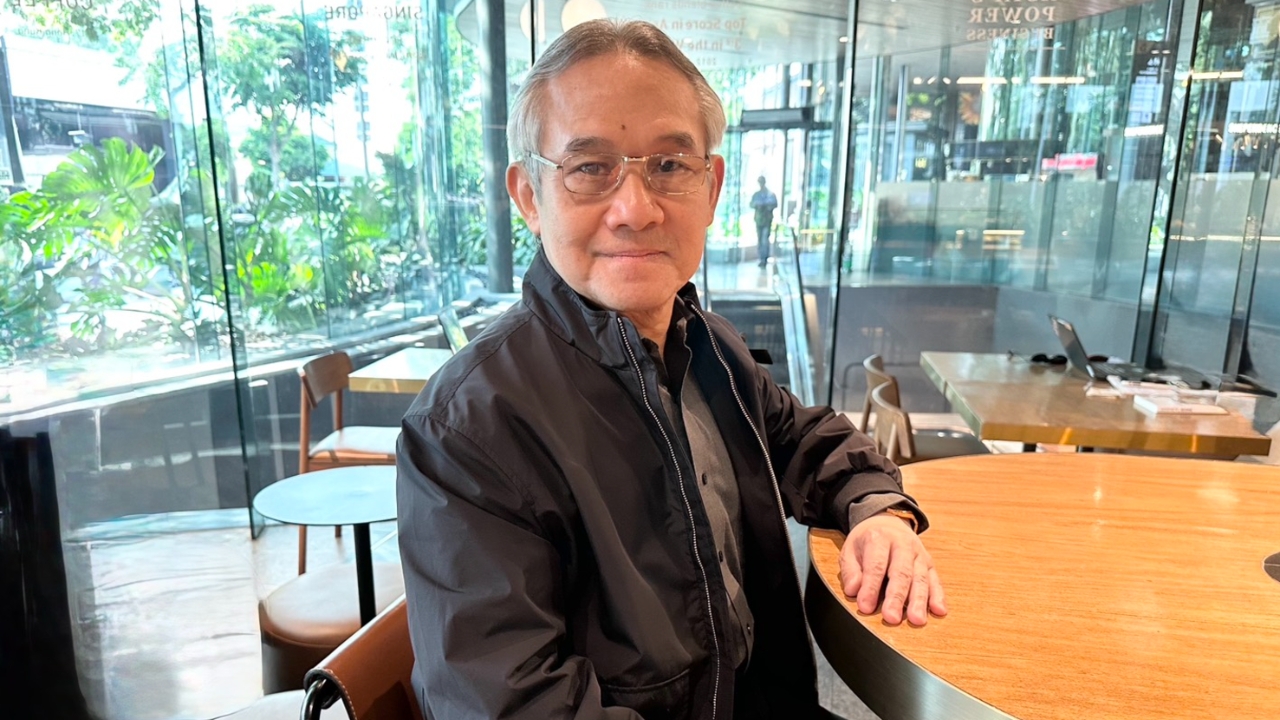
Suradech urges the government to restore public trust after it has severely declined, insisting that fuel prices must be lowered before facing backlash that could turn public affection into resentment and provoke street protests. He points out that the measure to close fuel stations from 10 p.m. to 5 a.m. is merely a band-aid solution.
On 8 Apr 2026 GMT+7, Suradech Yasawat, an independent politician and former senator, former member of the House of Representatives, and former deputy leader of the Palang Pracharath Party, commented on the government's plan to impose fuel station closing hours from 10 p.m. to 5 a.m. to save fuel. He personally sees this as a superficial fix because people rarely refuel at night, and they can simply fill up before closing time regardless. Therefore, he believes this measure will have little effect. Instead, the government should tackle the root cause by stabilizing or lowering fuel prices to demonstrate genuine commitment to alleviating public hardship.
Suradech said the government had initially announced fuel reserves sufficient for three to four months, yet still allowed prices to rise, causing turmoil and a crisis of trust. Public confidence in the government is waning, especially since ministers involved with energy oversight have made the situation worse. Thus, the government's priority must be to restore public trust by finding ways to stabilize or reduce fuel prices, focusing mainly on refineries.
Suradech said he had previously suggested fuel hoarding was occurring, noting irregularities such as some stations receiving only half their usual fuel during the crisis, with the remainder unaccounted for. Further investigations revealed illegal fuel sales to neighboring countries. The government must expose these irregularities, identify the culprits, and extend scrutiny to refineries. It should also determine refinery costs, possibly through regulation or legislation, since secrecy is unacceptable. Refineries already pay taxes, indicating clear cost and sales figures. The government should convene all refineries and frankly demand sacrifices to help stabilize prices, even if profits shrink or disappear, as refineries have earned substantial profits in past years. Facing a crisis, all Thais must cooperate rather than worsen the situation.
Suradech added that biodiesel is beneficial as it is a substitute fuel derived from used cooking oil converted into biodiesel. The government should promote cheaper biodiesel. Concrete government support would help farmers lower costs and expenses, eliminating the need to buy diesel from stations competing with the general public, thereby helping to resolve the current fuel crisis.
Suradech said another critical issue during this fuel crisis is solar cells. Electricity prices will inevitably rise in the future because when fuel prices increase, all costs, including electricity and consumer goods, rise. Therefore, energy conservation is vital. However, the government cannot expect citizens to bear this responsibility alone; it must help by controlling solar cell prices, which currently cost hundreds of thousands of baht. The government should find ways to reduce solar cell prices to tens of thousands of baht. If achieved, the public will see genuine government effort, helping to restore public trust.
"Since the government holds state power, it must use it to assist the people as much as possible, not just help already wealthy businesses. Most citizens are grassroots people; in this economy, how can they survive? The government must urgently implement concrete assistance measures. I want to warn the government that the public has high expectations, especially for the Bhumjaithai Party and Prime Minister Anutin. If the government fails, I fear public hope will turn to disappointment, from affection to resentment, leading to loss of confidence. Without trust, people will not cooperate and may protest against the government."
Suradech continued, "If such protests occur, the government will face difficulties because it has just taken office and has not yet presented its policy. People gathering nationwide to protest would place the government in a tough position. How can it oppose united citizens? This would cause many problems. Therefore, the government must address the problem directly, make bold decisions, and genuinely act for the people."
Suradech also suggested the government appoint an external expert with knowledge, expertise, and a reputation for honesty and integrity as director of the Center for Managing and Monitoring the Middle East Conflict (CM3EC), replacing Pipat Ratchakitprakarn, whose term ended with the previous government. He advised against selecting politicians, party affiliates, or anyone connected to the government or the energy and oil sectors. This would help reduce public pressure, as trust in the government has already significantly declined.