

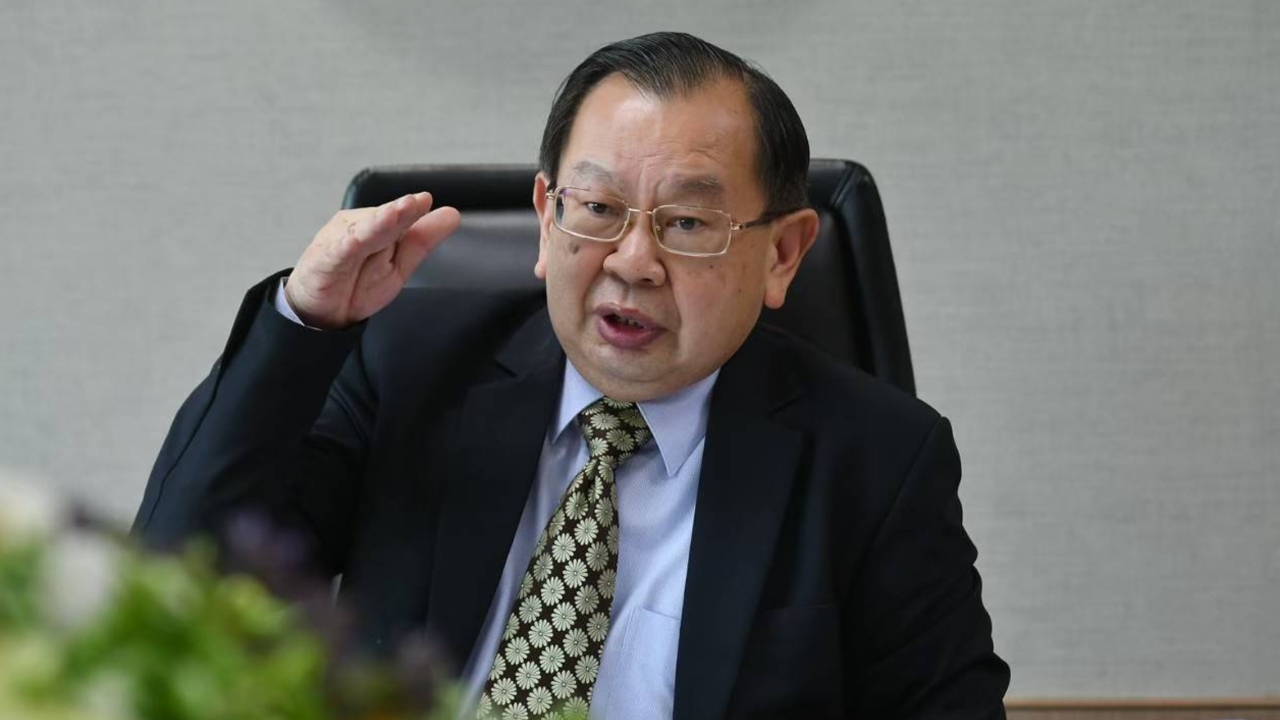
The Ombudsman is closely monitoring government policies, highlighting that if implemented policies adversely affect the public, investigations will be conducted. Plans include discussions with Deputy Prime Minister Supachai to promote nominee law amendments to resolve coconut issues and orders to intensify the crackdown on counterfeit coconut water operations.
On 9 Apr 2026 at 10:20 AM at the Ombudsman's office, Mr. Songsak Saicheua, Chairman of the Ombudsman, spoke about investigating government policies that may pose risks to the public and the Fiscal and Financial Act. He stated that direct policy matters fall under Parliament's oversight, but the Ombudsman investigates when policies are translated into practice, instructing agencies to implement them. The Ombudsman will monitor how policies are issued and implemented by agencies. At that stage, the Ombudsman has authority to investigate. However, direct policy issues remain Parliament's responsibility to oversee government policies. Regarding the central nominee law, after the government presents its policy statement to Parliament, a meeting will be arranged with Deputy Prime Minister and Minister of Commerce Supachai Suthumpan, as well as relevant ministers, to discuss nominee issues, coconut problems, and other urgent matters. This aims to accelerate progress systematically and support collaborative work.
Ordered an accelerated crackdown on counterfeit coconut water networks following raids on two Samut Songkhram storage facilities.
Mr. Songsak also gave an interview after visiting areas to follow up on the falling coconut prices and counterfeit coconut water issues. On 3 Apr, he met with all parties and received urgent proposals, primarily that inspections need to increase in frequency and be conducted by multidisciplinary teams including the Food and Drug Administration (FDA), Department of Medical Sciences, provincial public health offices, possibly provincial industry offices or factory departments, and local representatives, along with other relevant agencies. The inspection rounds will be increased. Additionally, information will be gathered on legal limitations encountered during fieldwork, such as existing laws related to counterfeit coconut water. Currently, authorities may not be able to order operators to cease operations but can impose fines; this is under review. Efforts are underway to recommend that related agencies promptly revise regulations to allow easier enforcement, stronger penalties, and the ability to suspend production until compliance is met.
The Ombudsman will invite related agencies to support and encourage them to expedite actions on this matter, as it affects public health and impacts public confidence in other areas.
Standards for authentic coconut water have been established, increasing penalties and granting authority to suspend production.
Regarding complaints about counterfeit coconut water in Samut Songkhram province, reflecting distrust of officials conducting field inspections, Mr. Songsak said multidisciplinary team inspections should be conducted in two ways. He recommended unannounced visits for nominee law enforcement, which some agencies and provinces have begun implementing. These surprise inspections have led to cases that resulted in arrests. Scheduled inspections serve as deterrence. Both approaches must be used in tandem to obtain accurate information without prior notice and to conduct official inspections following bureaucratic procedures. The latter acts as deterrence, showing continuous, strict, and frequent monitoring.
When asked whether the FDA and Department of Medical Sciences should expedite setting criteria to verify authentic coconut water, Mr. Songsak said this is a crucial issue. Currently, there are preliminary standards in the Department of Medical Sciences and FDA labs, but they do not fully specify what authentic coconut water components should be. Clear criteria for adulterated coconut water need to be established. The Ombudsman is pushing for the development of standards that define adulteration characteristics and the components of genuine coconut water, to be officially announced. This will provide officials clear guidelines for field inspections to improve clarity. If a joint meeting occurs, the process will be accelerated further.