

The government is pleased that Songkran 2026 generated widespread cash flow nationwide, distributing income to communities and reflecting a continuous recovery of the grassroots economy.
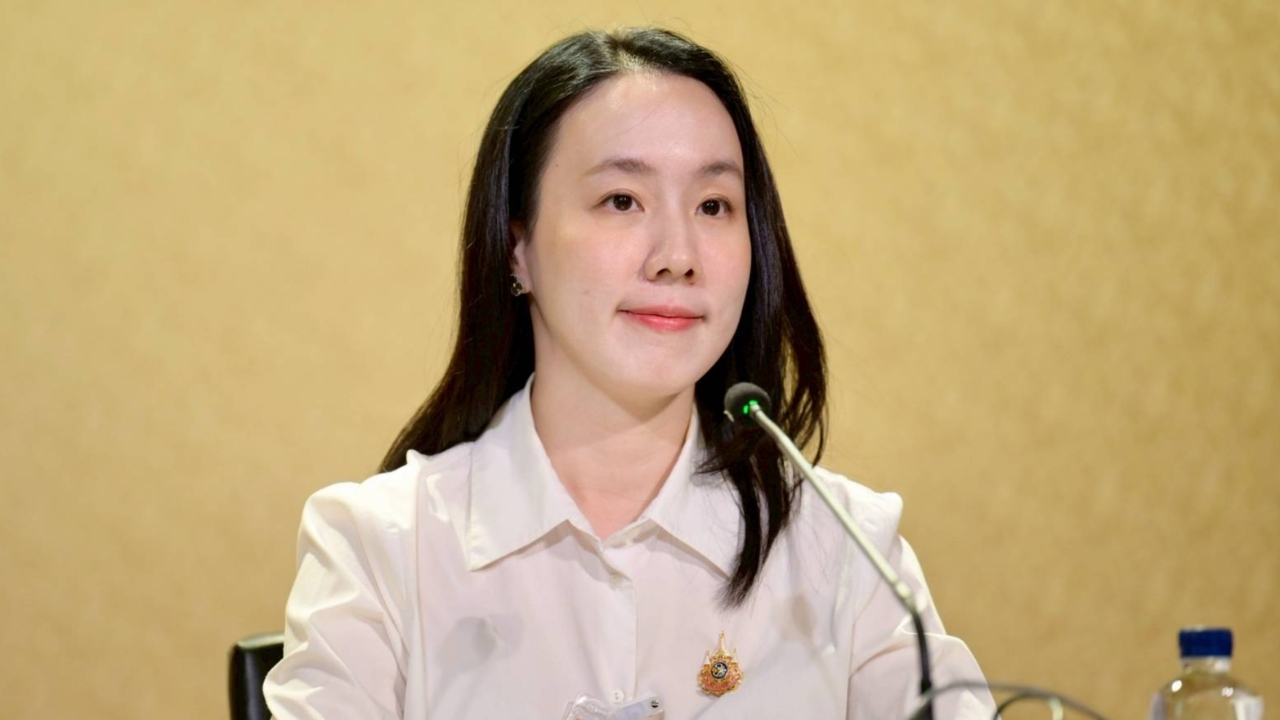
On 15 April 2026, Ms. Lalida Pertwiwatthana, Deputy Spokesperson for the Office of the Prime Minister, revealed that the overall Songkran Festival 2026 across all regions of the country was lively and ongoing, reflecting the recovery of the grassroots economy driven by tourism and domestic spending. Activities held in each area generated tangible circulating income for the people, small entrepreneurs, and local businesses.
In Bangkok and the central region, the main centers for events, activities were held at more than 91 locations throughout the capital. Data as of 12 April 2026 showed that over 558,561 people participated in six major venues. The “Songkran Siam 2026” event at Siam Square was the most popular, attracting 183,544 attendees, followed by Silom Road and Iconsiam, reflecting the revival of tourism and spending in urban areas. Meanwhile, central provinces such as Samut Prakan and Ayutthaya continued to focus on preserving traditions alongside creative activities, resulting in ongoing income distribution to communities.
The Eastern region stood out with the extended "Wan Lai" festival, especially in Chonburi province and Pattaya city, where activities continued until the end of April, helping to stimulate travel and spending in the area continuously. Meanwhile, Rayong province leveraged its local identity through the “Durian Street Songkran” event to create added economic value and attract tourists.
The North maintained the strong identity of the “Pi Mai Muang” (New Year) festival. Chiang Mai held continuous events from 6 to 17 April, attracting many tourists, while Chiang Rai and Phayao developed their events to blend contemporary activities, catering to diverse tourist groups and helping distribute income to surrounding areas.
The Northeast (Isan) region was lively according to local identity, especially Khon Kaen province with its "Sticky Rice Road" as a key highlight of the region. Additionally, Nakhon Ratchasima and Udon Thani hosted large-scale events accommodating tourists, resulting in clear local income circulation.
The South remained an important destination, particularly Phuket, which expected about 149,690 tourists from 11 to 15 April, generating over 4.083 billion baht in revenue. Meanwhile, Songkhla and Nakhon Si Thammarat provinces maintained lively atmospheres, accommodating both domestic and international tourists, positively impacting the broader local economy.
The Western region focused on nature and cultural tourism, such as Kanchanaburi province, which hosted various activities including long-boat races and traditional events, alongside developing new tourist attractions to increase options and generate income for local residents.
The Deputy Spokesperson for the Office of the Prime Minister added that despite overall economic challenges, the tourism drive during this year’s Songkran festival demonstrated Thailand’s capability to use “culture” as a tool to generate income and distribute economic opportunities across all regions.
“This year’s Songkran was not only lively but also generated real income for Thai people in every area, from small entrepreneurs to local businesses, serving as a crucial driver of the grassroots economy with clearly visible results.”