

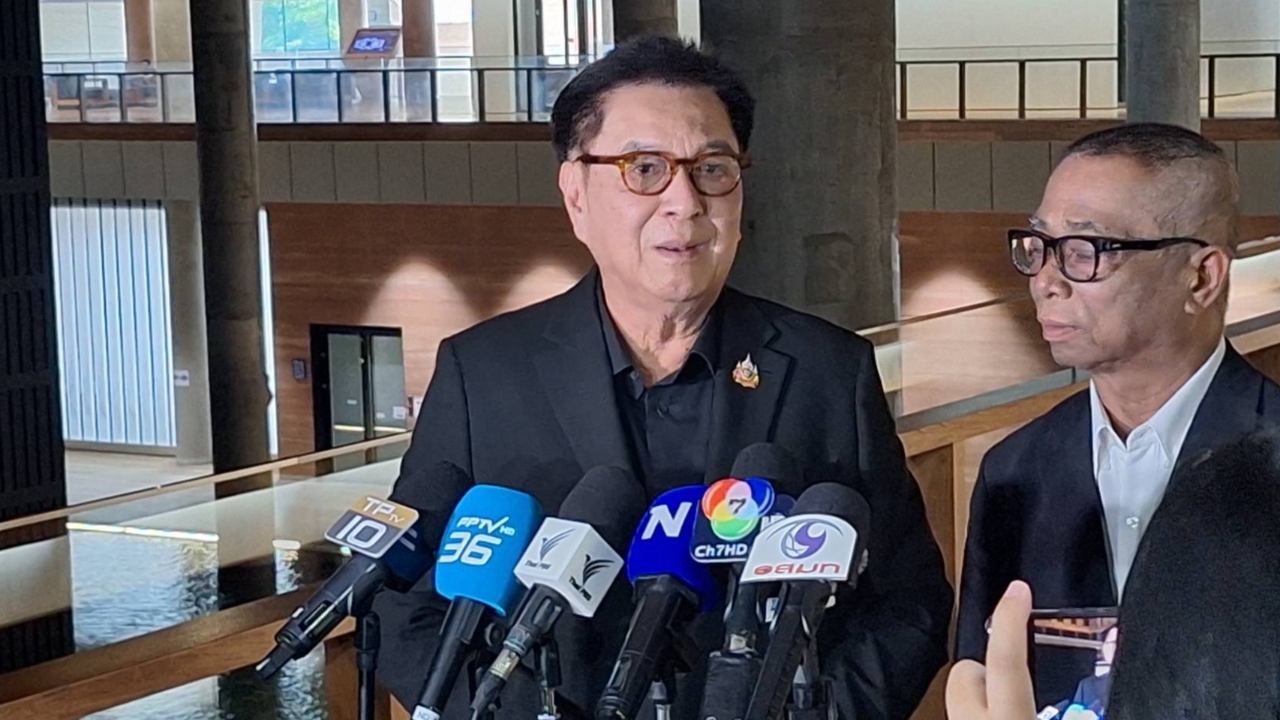
Kampol, Chairman of the Senate Economic Committee, explained the controversy over senators proposing a VAT increase to 10%. He said it was based on an academic study recommending a gradual 1% annual increase to support the welfare system. The proposal has now been withdrawn to prevent public misunderstanding.
At 9:00 a.m. on 21 April 2026 at the Parliament, Mr. Kampol Suphaphaeng, a senator and Chairman of the Senate Committee on Economy, Finance and Treasury, spoke about reports that senators planned to propose raising the value-added tax (VAT) from 7% to 10%. He said the report was an academic study commissioned to the chairman of the finance subcommittee to find new revenue sources to cover rising welfare costs, including elderly allowances, healthcare, and education development. The report examined past and present data and looked to the future to identify a suitable tax structure, without intending to burden people during a crisis.
When asked about the proposal to increase VAT, Kampol explained the actual suggestion was a gradual step-up, increasing by only 1% per year over 2-3 years, with clear criteria to protect low-income earners. Those earning no more than 1,800,000 baht annually would not be affected by this measure. Furthermore, the study found Thailand’s current VAT rate of 7% is near the lowest among ASEAN countries (only higher than Myanmar's 5%), while most neighboring countries levy VAT rates up to 14% to fund welfare systems ensuring citizens’ wellbeing.
The chairman acknowledged that the timing of the report's submission to the Senate did not align well with the current economic situation, as Thailand’s economy is slowing and the Middle East conflict has caused public alarm and misunderstanding. He admitted being shocked to see news claiming senators would immediately raise VAT to 10%, which was not true. Considering the current inappropriate timing, he decided to withdraw the report, not out of fear of public reaction, but to ensure correct public understanding and to avoid linking the issue to political matters or government borrowing. He confirmed that going forward, he will instruct the secretariat to prepare a clear PowerPoint summary to explain the content to the media and public again, based on the principle that taxes from the wealthy should help the poor to promote social equality and build a sustainable welfare system for the future.