

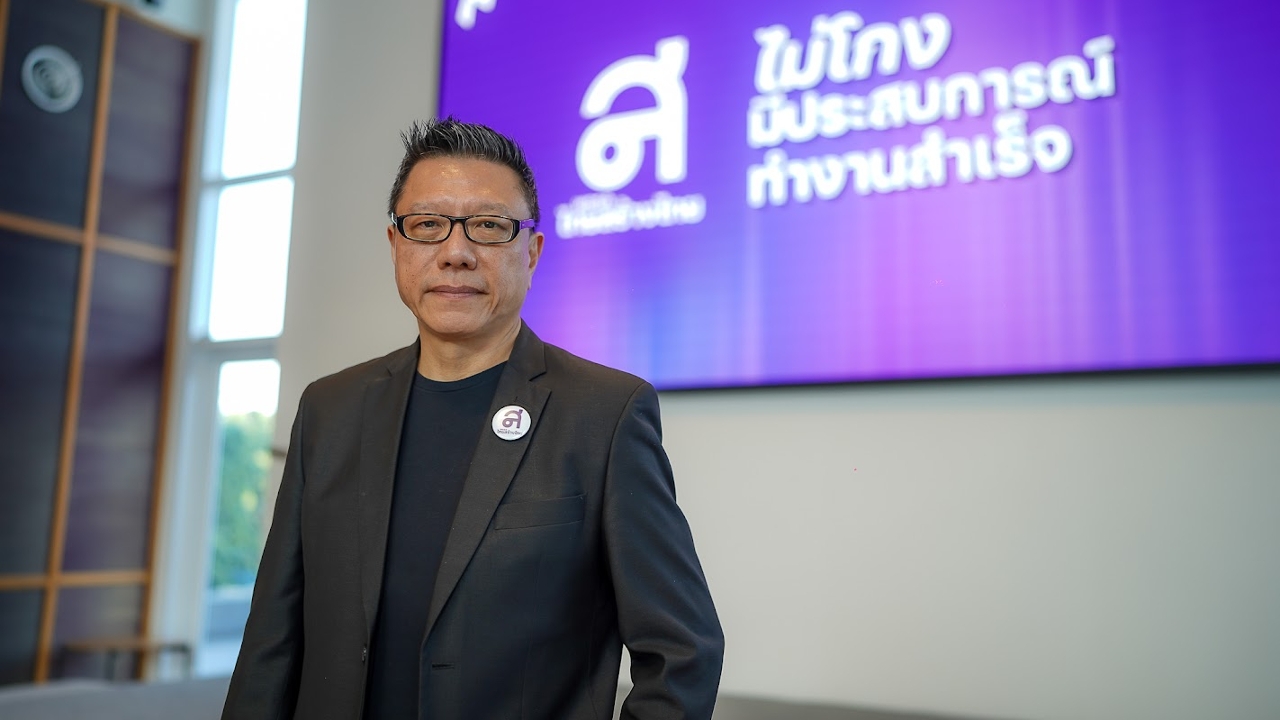
Suradech of Thai Sang Thai advises the government to think carefully as expanding the public debt ceiling is not the answer. He proposes a new model to unlock regional investment, believing it will reduce poverty, boost capital markets, and increase the people's GDP.
On 22 Apr 2026 GMT+7, Mr. Suradech Thaveesangskulthai, Deputy Leader of the Thai Sang Thai Party and Chairman of the party's Economic Strategy, commented on the government's signal to raise Thailand's public debt ceiling from 70% to 75%, allowing the state to borrow an additional 500 billion baht. He said this idea is being questioned for its efficiency and long-term sustainability. He observed that past borrowing was mostly used for short-term economic stimulus through the traditional budget system, which failed to truly restructure the economy and did not sufficiently distribute funds to the regions.
"Thailand once had a debt ceiling of 60%, which was raised to 70% during the COVID period. Now it is approaching the ceiling again, and there is talk of raising it to 75% to borrow more. But the question is, what will we borrow for, and will the results be worthwhile? Although raising the debt ceiling could allow the government to borrow about 500 billion baht more, or even more, if the old mechanisms remain, Thailand's economic structure will not change, and inequality problems will persist."
"3 in 1 Model"
Mr. Suradech continued that he wishes to propose a new approach in the form of "3 in 1 Model" which aims to create economic impacts on multiple dimensions simultaneously without relying on additional government borrowing. This model develops already approved projects into large-scale local investments, where the government supports structural aspects, such as providing state land and co-investing through state financial institutions to build trust so that projects can attract external funding. This concept does not use the traditional budget but leverages the government's role to unlock external investment funds to flow into local areas and regions.
Proposal for pilot areas within 1 year
Mr. Suradech added that this model has three key goals: to create opportunities for low-income people to access investments, to increase new assets for capital markets, and to stimulate significant economic growth at the provincial level.
The proposal plans to start with Khon Kaen province as a pilot area within one year, then expand to about 10 other large provinces within two years. This will concretely help distribute prosperity to the regions. If we keep using the old methods, the money will cycle in the same system, but if we open this new model, funds will go directly to build local economies and enable each province to develop its own potential.
"I want to emphasize that Thailand may not need to choose only to borrow or not to borrow, but should open opportunities to try new approaches simultaneously, especially models that can generate economic growth without increasing long-term debt burdens."