

Stop favoring energy capital groups. Peerapun points out a way out of Thailand's energy crisis by proposing a new formula to resolve structural problems throughout the system. He suggests the government purchase refineries to control oil prices and reduce the burden on the public, reducing costs for citizens.
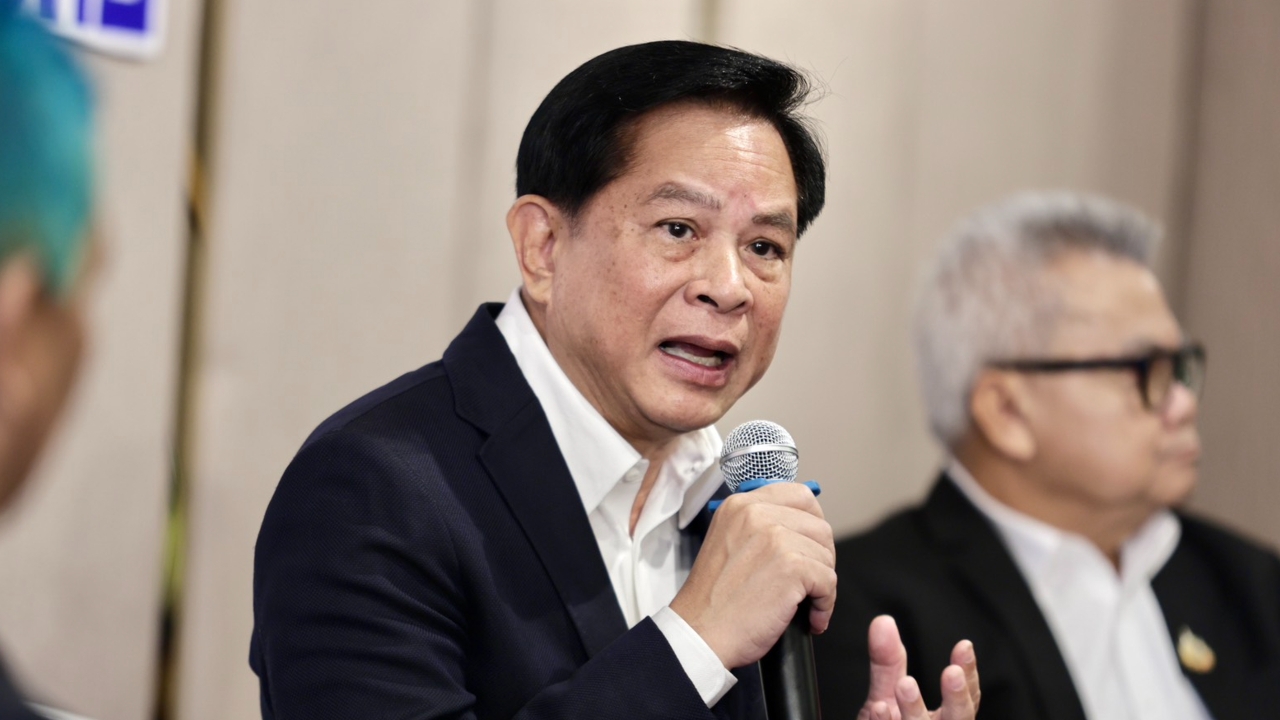
Mr. Peerapun Saleerutwiphak, leader of the United Thai Nation Party, and former Minister of Energy, shared his vision at the academic seminar “Energy War and Thai Labor” under the topic “What if Thais Are Being Robbed,” organized by the Thanong Pho-an Foundation at the Racha Room, Rattanakosin Hotel, Bangkok, on 21 April 2026. He stated at one point that Thailand’s energy structure still favors capital groups both legally and through price mechanisms, resulting in cost burdens falling on the people, especially laborers and low-income groups who are directly affected.
On the issue of price structure, Peerapun pointed out that the rising oil refining fees should be considered transparently. He proposed adopting a Cost Plus system and disclosing actual costs, including crude oil prices, refining fees, and related expenses, to reduce price distortions within the system. “Thailand’s energy problem is not a technical issue, but a matter of structure and laws that still favor certain groups over the majority of the people.”
He also observed that although the state has legal powers under several provisions, it often chooses not to exercise them, citing various constraints, despite there being many legal tools available. Furthermore, Peerapun suggested that the government should play a greater role in some energy operations, such as regulating refineries, to maintain energy prices within reasonable limits. He noted that referencing foreign prices, like the Singapore market, does not reflect the true domestic costs.
Peerapun further revealed that Thailand’s energy overall still heavily depends on imports, both oil and natural gas, which affects electricity production costs and overall electricity prices, impacting the cost of living for the public broadly. “The government should reform the legal framework and review free trade policies in energy because national security must come first. If necessary, the state should acquire refinery operations to control oil prices fairly for the people.”
Regarding labor groups such as riders or freelancers, they must bear continuously rising energy costs while their incomes do not increase at the same rate, reflecting the current imbalance in the energy system. Peerapun also proposed that people protect themselves from the unfair energy system by having riders and transport professionals organize to source their own fuel to reduce costs caused by tax structures and complex state processes. He encouraged communities to produce their own fuel from waste such as plastic or old tires.
In conclusion, Peerapun warned that the energy crisis is likely to have a domino effect on the economy, including gas, fertilizer, and related industries. He urged a serious review of the structure to alleviate the public’s burden and create long-term balance in the system.