

The government aims for Thailand to become a member of the Organization for Economic Cooperation and Development (OECD) by 2028. It plans to use AI to elevate legal and economic standards to international levels, attract investment, and create new opportunities for citizens.
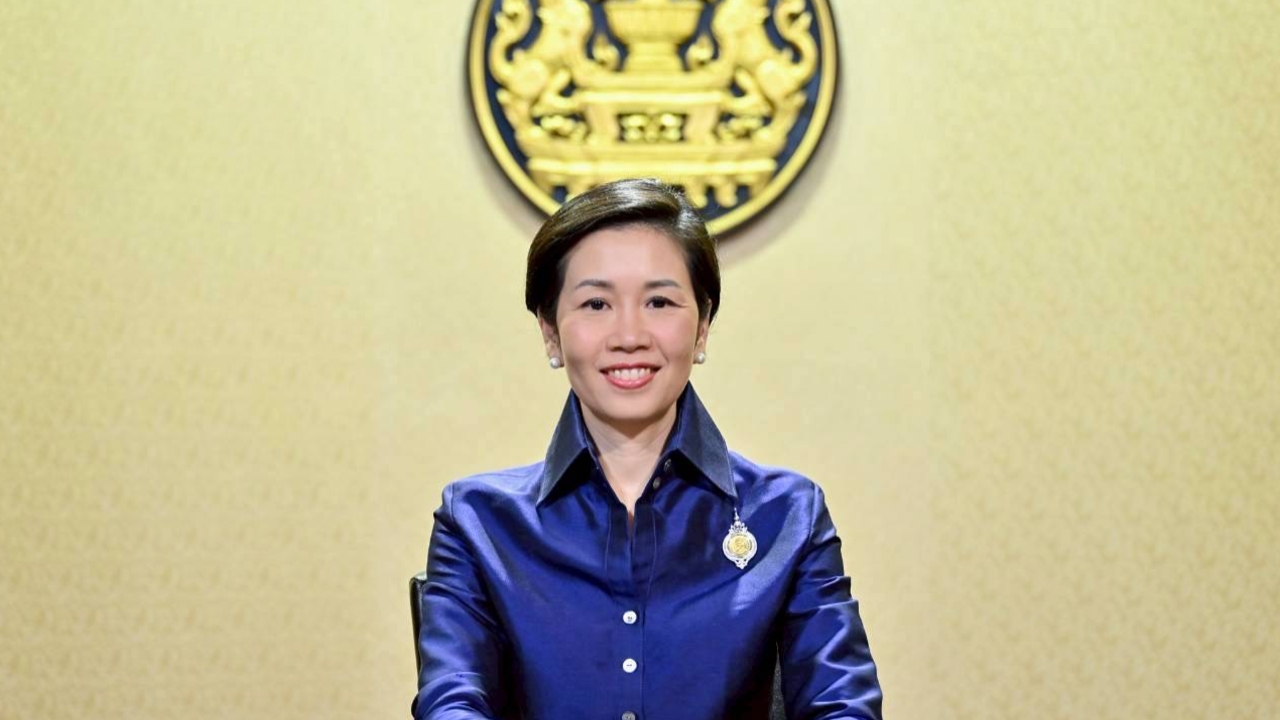
On 23 April 2026, Ms. Ratchada Thanadirek, spokesperson for the Office of the Prime Minister, revealed that the government is actively preparing for Thailand to join the OECD within 2028. The key goal is to "upgrade the country's rules and economy" to meet global standards, thereby creating better opportunities for citizens in employment, income, and future investments.
The government, through the Office of the Council of State under Deputy Prime Minister Pakorn Nilprapunt's supervision, has been working intensively and continuously on this, including adjusting laws, policies, and public sector operations to align with OECD standards to ensure smooth passage of the international evaluation process.
Currently, Thailand has entered a crucial phase: the Technical Review, which involves an in-depth examination of how well Thai laws, policies, and practices comply with OECD standards.
A notable aspect of this work is the use of AI technology through the “TH2OECD” project, focusing on three key areas:
(1) Developing fast, accurate, and precise Thai-English legal language translation models and terminology.
(2) Applying Retrieval-Augmented Generation (RAG) techniques to analyze gaps and consistency between OECD legal instruments' standards and recommendations and the relevant Thai laws, policies, and practices.
(3) Developing a standardized government data structure.
Preliminary results show Thailand was able to prepare the critical Initial Memorandum on time, reflecting the country's capability in using technology to enhance governance and legal frameworks.
Moving forward, the government will work more closely with the OECD through knowledge exchange, evaluations, and adopting best practices, while further developing AI to support public policy work.
“We want the public to understand that the commitment to join the OECD is not just about improving the country's image but will lead to a comprehensive upgrade of the legal system to increase confidence, attract investment, and create stable economic opportunities for citizens over the long term,” she said.