

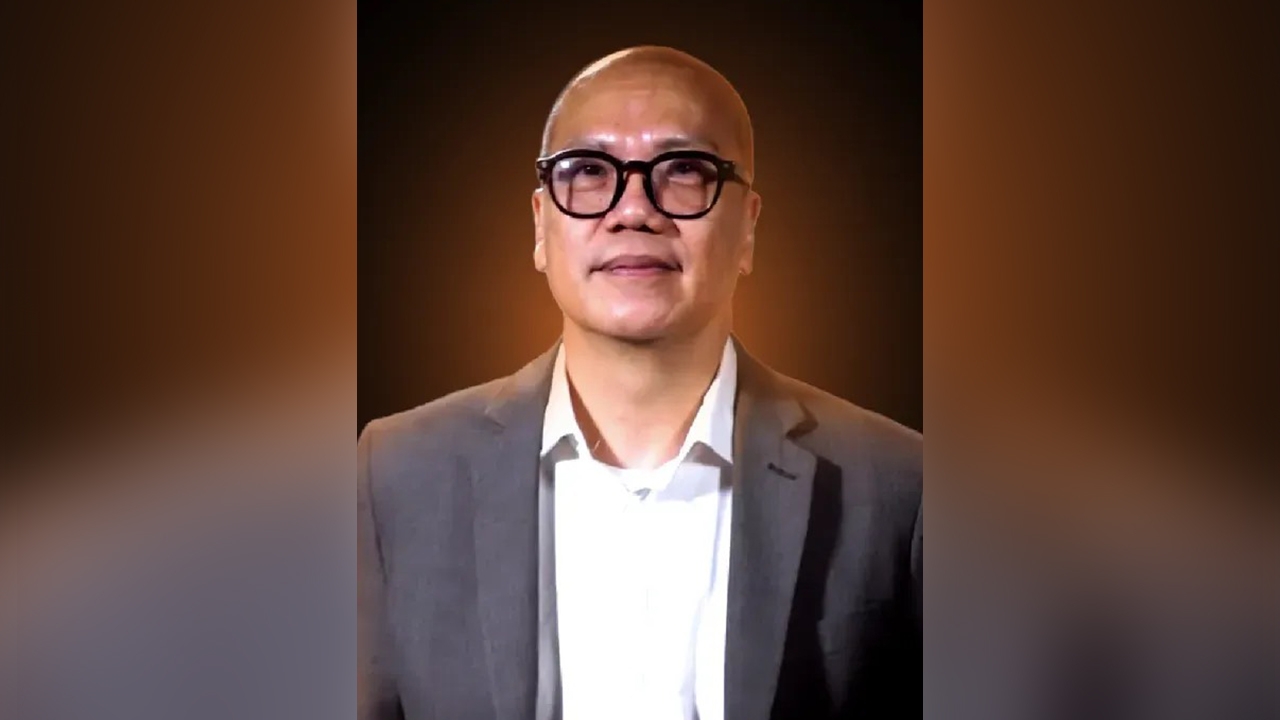
Sorasak, a party-list MP from the Prachachon Party, disagrees, warning that cancelling MOU 44 would cause Thailand to lose benefits and potentially a key tool in safeguarding the country's interests.
On 25 April 2026, reporters reported that on 24 April, Mr. Sorasak Somrakaisarakit, party-list MP from the Prachachon Party, spoke about the National Security Council's decision to cancel MOU 2544 and instead rely on the United Nations Convention on the Law of the Sea (UNCLOS) mechanism.
He said cancelling MOU 44 might not be in Thailand's national interest. Although it is the National Security Council's resolution, there is still time for the government to consider whether to proceed with it. He believes that the country's interests should be examined from multiple perspectives.
MOU 44 was established with two key elements: maritime boundary delimitation and benefit-sharing. In his view, the negotiation framework under MOU 44 is beneficial because if only legal statutes are used, each party will interpret the law differently. Without the negotiation framework of MOU 44, how could compromises be reached?
Regarding maritime boundary delimitation and benefit-sharing, he wants everyone to realize this is not the first time Thailand has created such legal documents. In 1979, the government of Kriangsak Chamanan negotiated with Malaysia, which became the starting point for joint development between Thailand and Malaysia, using negotiations and legal documents to define benefit-sharing frameworks. It took 26 years before the gas energy could be utilized for the benefit of Thai people, especially in the south. Similarly, MOU 44 has been in effect for over 20 years. These are Thailand's benefits. If we can negotiate with Cambodia and develop these resources, they will benefit Thailand's industries during this period.
Mr. Sorasak added that he admires the professionalism of the legal officers in the Treaty and Legal Department of the Ministry of Foreign Affairs. He believes their work provides policymakers with legal implications of such decisions. At the same time, he thinks the National Security Council's decision also considered political factors, which he cannot disclose.
Regarding the process of involving a third party for dispute resolution without mutual consent, MOU 44's Article 298 specifies that parties will not accept jurisdiction of third-party organizations and will reject third-party involvement. Cambodia has made similar provisions.
Although Article 298 of MOU 44 states that disputes can be submitted for conciliation upon request of one party, such conditions require an incident first. For example, while he served in the Treaty Department, there was a clash that led Cambodia to file a case with the International Court of Justice (ICJ) to interpret the 1962 Preah Vihear Temple ruling regarding the boundary extent. Thus, a clash could trigger such conditions. He worries that if such a situation occurs, even if Thailand refuses, it might be judged unilaterally.
Therefore, cancelling MOU 44 raises the question of how discussions will proceed. Relying only on UNCLOS to discuss maritime boundary delimitation without addressing benefit-sharing negotiations in energy would be like having a sea without boats. Without MOU 44, how would we survey and set negotiation directions? He believes this will certainly cause problems.
Mr. Sorasak further said that MOU 44 does not clearly specify how to terminate the agreement. The process requires submitting a letter and waiting about 12 months for a response on whether the termination will proceed. If asked whether there is still a chance to change the decision and not terminate, he thinks it is possible by simply not sending the official diplomatic letter.
Therefore, considering all details comprehensively, cancelling MOU 44 could cause us to lose an important tool in protecting the country's interests.