

The Cabinet approved a 3 billion baht investment to establish a “Proton” cancer treatment center at Khon Kaen University, aiming to elevate medical standards in the Isan region with precise and accessible care.
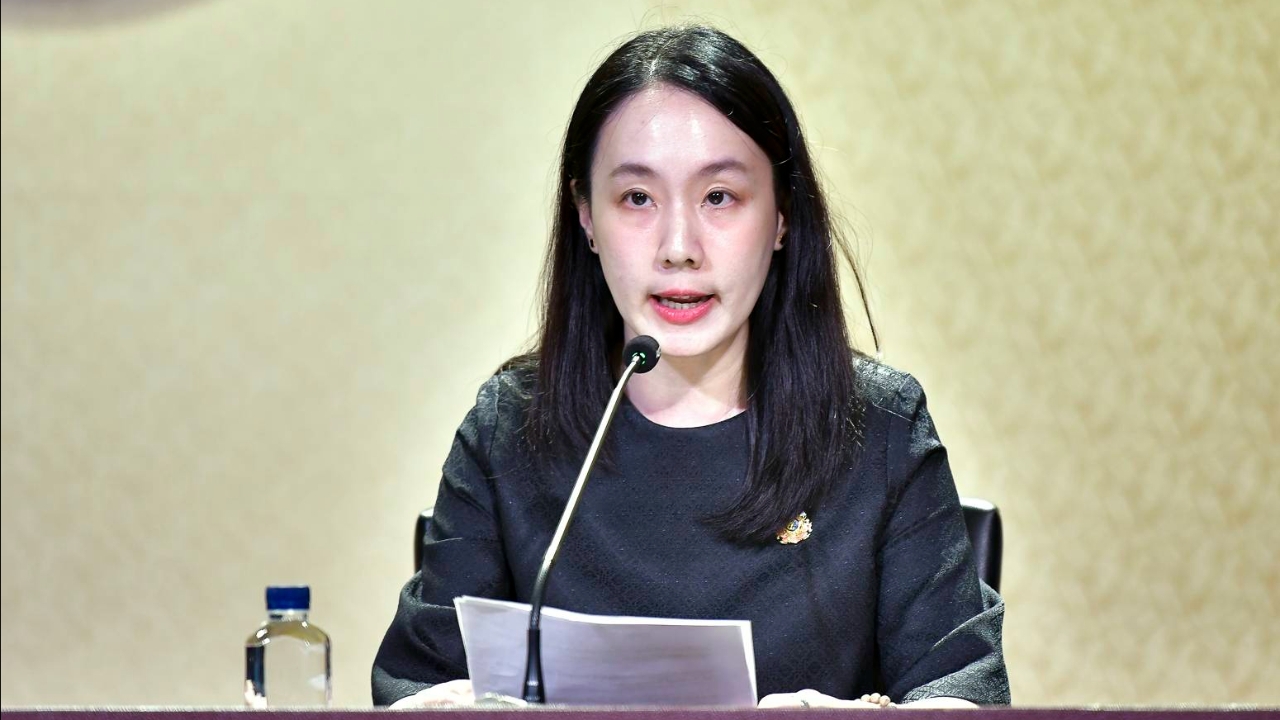
On 28 April 2026, Ms. Lalida Pertwiwatthana, Deputy Spokesperson of the Prime Minister’s Office, announced that the Cabinet approved the establishment of a Proton Therapy Center at Srinagarind Hospital, Faculty of Medicine, Khon Kaen University. The project has a total budget of 3 billion baht and will be implemented over four years (fiscal years 2027–2030).
The project aims to upgrade cancer treatment standards in Northeast Thailand, the most populous region with a high number of cancer patients. It will use advanced radiation therapy technology called “proton particles,” which offers high precision by targeting cancer cells specifically and minimizing damage to surrounding organs. This technology is especially suitable for certain cancer patients requiring delicate treatment.
The cancer treatment center will be located within the Health Science Center area at Khon Kaen University (approximately 4.9 rai). It will feature a six-story service building with over 9,979 square meters of usable space, equipped with a proton particle accelerator, advanced treatment planning systems, and state-of-the-art oncology data management systems. The total budget of 3 billion baht is divided into 1.82 billion baht from the government budget and 1.18 billion baht from non-budget funds.
Ms. Lalida added that the center is expected to begin patient services in 2031, with a capacity to treat and follow up with about 6,000 patients annually. It will also serve as a training center for specialized medical personnel in radiation therapy and medical physics, as well as a national hub for cancer treatment innovation research.
“This project is not merely about adding medical equipment; it is about enhancing cancer patients’ treatment opportunities, especially for people in Isan, by providing access to advanced care close to home, reducing travel burdens and waiting times, and tangibly improving patients’ quality of life, in line with the government’s policy to reduce healthcare disparities,” the Deputy Spokesperson of the Prime Minister’s Office concluded.