

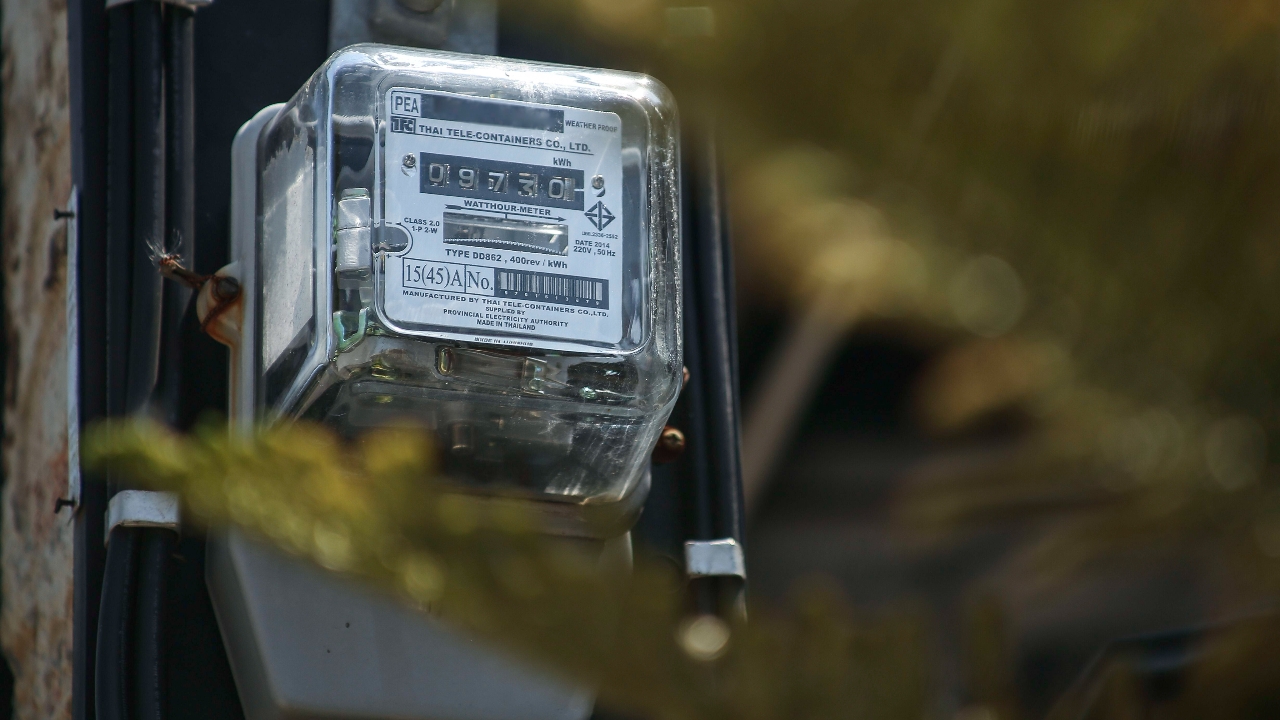
The Cabinet resolved to cap electricity rates for the first 200 units at no more than 3 baht per unit for residential homes. This applies to over 20 million households, representing 90% of consumers who will see reduced electricity costs. The government is also accelerating rooftop solar promotion alongside efforts to reduce energy consumption nationwide.
On 28 April 2026, Ms. Ratchada Thanadirek, spokesperson for the Prime Minister's Office, announced that the Cabinet approved in principle the "National Energy Agenda" to mitigate the impact of volatile energy prices and promote efficient energy use. Relevant agencies have been tasked to promptly implement related laws and regulations.
The prolonged conflict in the Middle East, combined with sustained high global energy demand, has driven up oil and natural gas prices. This has increased electricity production costs and is likely to push domestic goods and service prices higher. The government is therefore fast-tracking key measures to alleviate electricity cost burdens for citizens and promote efficient energy use, such as:
1. Measures to ease the impact of electricity costs on the public include revising progressive electricity rates for residential consumers, setting the rate for the first 200 units at no more than 3 baht per unit by June 2026.
2. Measures to promote and support electricity production and usage from energy sources include: Promoting clean energy by supporting rooftop solar panel installations among the public to enable self-generated electricity and reduce reliance on the main grid. This also includes encouraging installations in government agencies through the ESCO Model and adjusting electricity purchase schemes from the Adder system to a suitable Feed-in Tariff (FiT).
3. Measures to promote efficient and sustainable energy use include: For example,
(1) Efficient energy use, with the government aiming for public agencies to reduce energy consumption by 20%, continuously report results, and link this to performance evaluations of agency leaders.
(2) Encouraging energy-saving technologies such as switching public lighting to LED bulbs and installing solar-powered street lighting, combined with energy management systems, to enhance national energy efficiency in the long term.
(3) Promoting domestic electric vehicle usage and production, including installing public electric charging stations and battery swapping stations.
(4) Promoting bioenergy by converting waste and agricultural raw materials into clean energy forms like biomass fuel and biogas for the transportation sector.
These government measures are expected to promote efficient and cost-effective energy use, leading to long-term reductions in energy expenses and overall national energy resource consumption.

Ms. Ratchada commented on the electricity rate cap of no more than 3 baht per unit, clarifying that this rate applies only to residential electricity users, numbering over 20 million households, or 90% of consumers who will benefit from lower electricity costs. Regarding concerns from those using more than 200 units, the government asks the public to await further announcements, acknowledging and understanding these concerns.
Meanwhile, some may consider adopting alternative energy by installing rooftop solar systems, for which the government offers low-interest loans with payments cheaper than electricity bills and purchases excess electricity. Tomorrow (29 April 2026), the National Energy Policy Committee will meet to advance these initiatives.