

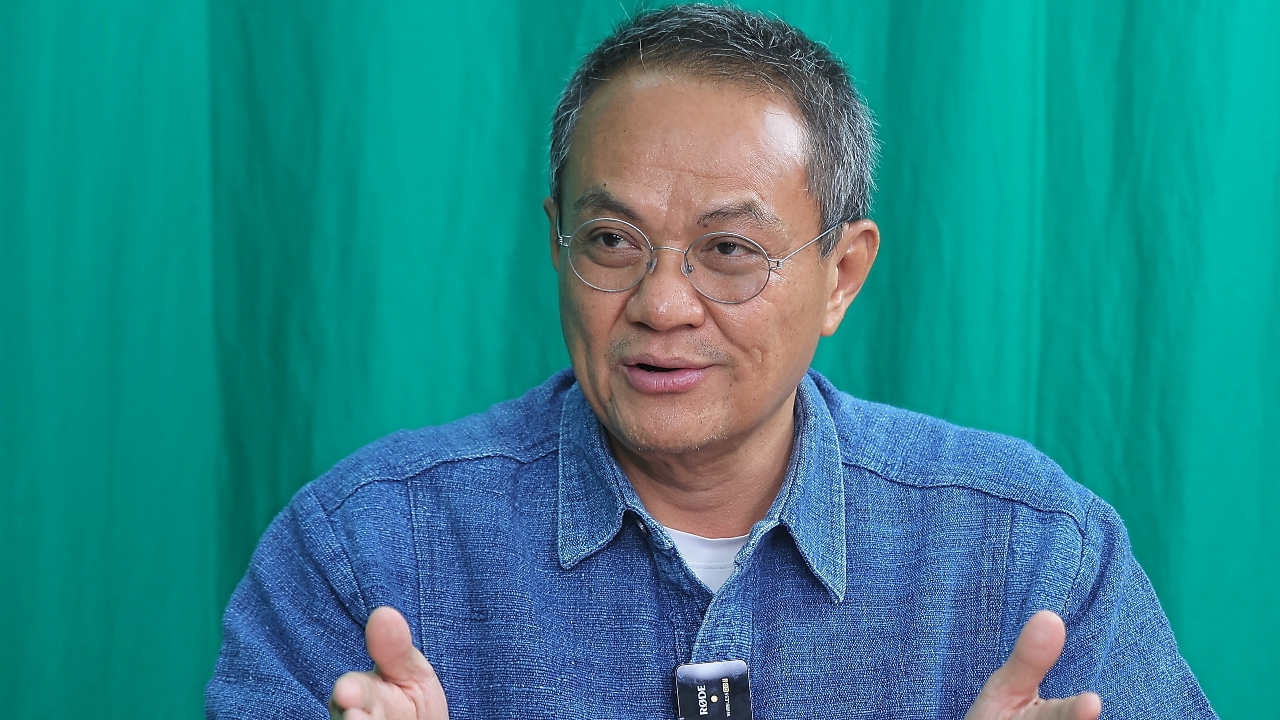
Thanaporn analyzes polls indicating that Thai politics remain prominently conservative, with Anutin rising as a central figure. He believes southerners will not oppose the 'Land Bridge' project, which presents an opportunity for the government to move forward, but it is essential to provide complete information to the public.
On 4 May 2026 GMT+7, Dr. Thanaporn Sriyakul, a political analyst, discussed the results of the Thai Political Index survey by Suan Dusit Poll for April, along with NIDA Poll findings on the Land Bridge project. He viewed these as signals reflecting interesting directions in Thai politics across multiple dimensions. Although overall political confidence declined slightly from 3.89 to 3.79 points, a standout point was the ongoing attention on Mr. Anutin Charnvirakul, both positively and critically, highlighting his role as a current "central figure" in conservative politics.
Dr. Thanaporn sees this trend as showing a clearer conservative political base, with leaders gaining acceptance through elections, which bolsters long-term political legitimacy. Meanwhile, other government leaders, such as Deputy Prime Minister Mr. Yotsanan Wongsawat, also enjoy high popularity, indicating signs of recovery for the Pheu Thai Party and a resurgence of confidence among its supporters.
On the opposition side, Dr. Thanaporn notes that progressive parties still face challenges in adjusting their political strategies. Despite having a sizable number of MPs, their political roles have not been as prominent as expected, leading figures like Mr. Abhisit Vejjajiva to attract more attention in terms of political influence.
Looking at political leaders' approval ratings, individuals associated with conservative ideas lead, including Mr. Anutin, Mr. Yotsanan, and Mr. Abhisit, reflecting that at this time, the "conservative bloc" remains the main pillar of the balance of political power in Thailand.
Regarding the Land Bridge project, which NIDA Poll reports that southern residents do not oppose, Associate Professor Dr. Thanaporn views this as an opportunity for the government to advance large-scale policies amid ongoing economic challenges. However, a significant number of citizens still seek more information.
Therefore, the government must prioritize public communication by disclosing complete information and fostering community participation in the affected areas to build understanding and trust, especially concerning environmental impacts and the project's cost-effectiveness.
Dr. Thanaporn also considers that differing opinions within the same political party are a positive sign for democracy, reflecting internal checks and balances. This further underscores the necessity for the government to genuinely open channels to listen to public feedback.