

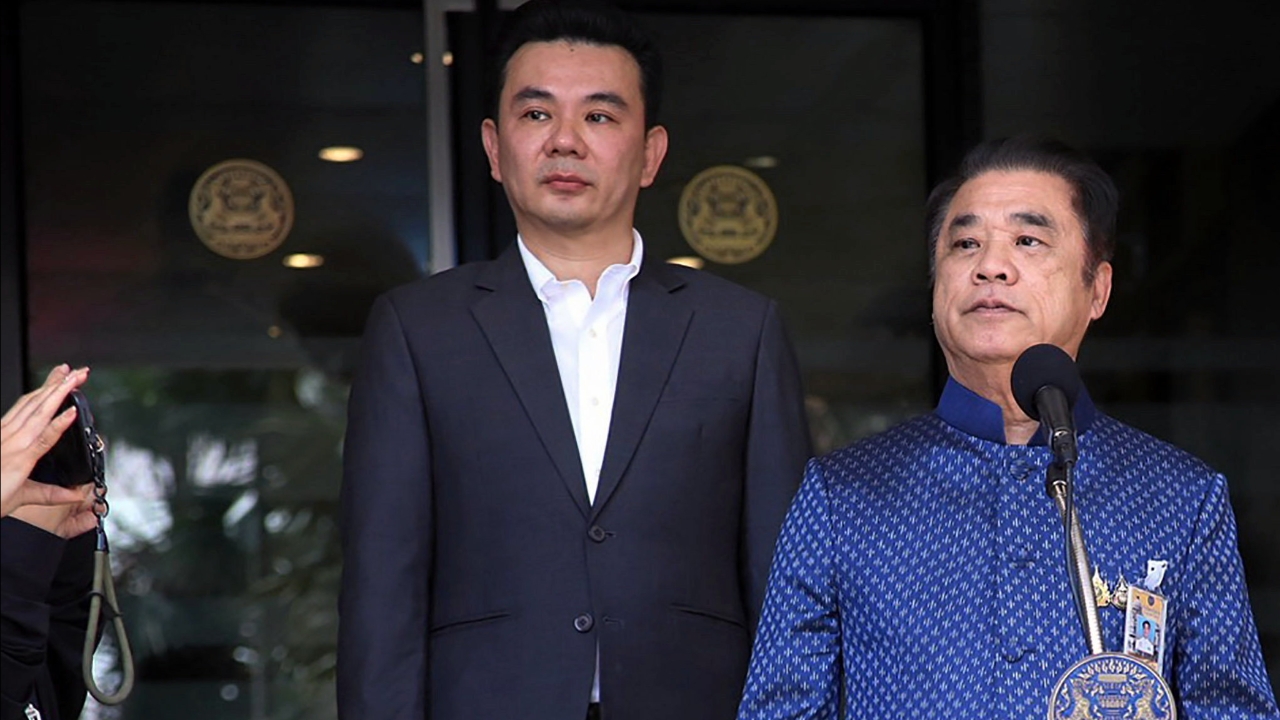
Suriyasak acknowledged that the deal for cheap urea fertilizer from Russia is likely to fail due to transport issues requiring rerouting shipments around the world, causing delays of more than two months and missing the planting season. He announced preparations for backup plans using mixed and bio-fertilizers as alternatives.
On 5 May 2026, Suriyasak Jungroongruangkit, Minister of Agriculture and Cooperatives, reported on the progress of sourcing 1-2 million tons of urea fertilizer from Russia at friendly prices. He revealed a major transport obstacle: the usual route through the Strait of Hormuz, which previously took only 6-8 days, is no longer operational. Consequently, the shipments must take a longer route that requires 1-2 months, meaning the fertilizer will not arrive in Thailand in time for the upcoming rice planting season.
Rapeepat Jantrasriwong, Director-General of the Department of Agriculture, disclosed recent fertilizer stock figures as of 24 Apr 2026, showing 777,258 tons of fertilizer held by producers and importers, along with over 50,000 tons of liquid organic fertilizer. The Ministry of Agriculture plans to manage and blend the existing fertilizer supplies appropriately to ensure sufficient distribution. It will encourage farmers to use fertilizers based on soil analysis for accuracy and cost savings and will accelerate promotion of organic, bio-fertilizers, and bio-products as substitutes for chemical fertilizers.
The Director-General of the Department of Agriculture concluded by saying this crisis presents a good opportunity to change Thai farmers’ habits to reduce reliance solely on chemical fertilizers. He expressed hope for a "New Normal" in agriculture, similar to how the COVID-19 pandemic normalized Zoom meetings. This fertilizer crisis could become a turning point, encouraging farmers to increase their use of organic and bio-fertilizers, which benefits both cost management and long-term soil health.