

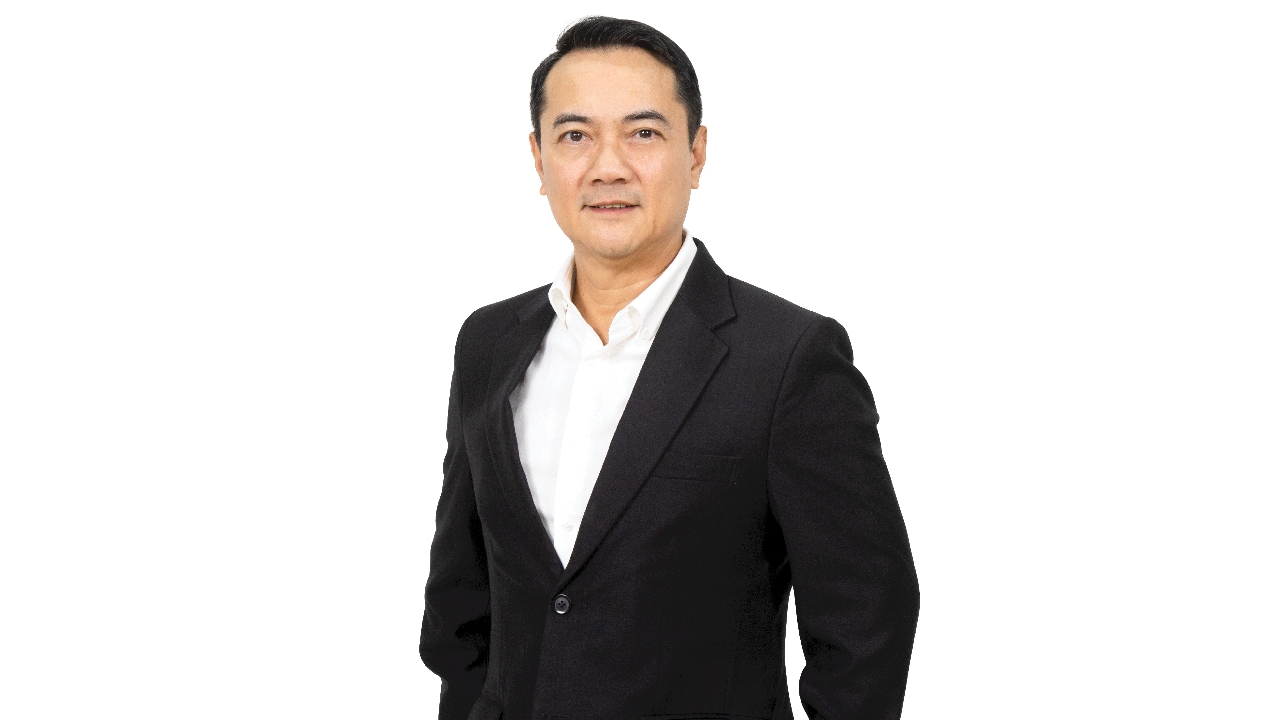
Naraphat advises the government to consider all perspectives, warning that the Land Bridge may not be the solution. He expresses concern about impacts on the sea and long-term tourism and emphasizes that development must not destroy nature.
On 6 May 2026 GMT+7, Mr. Naraphat Kaewthong, Deputy Leader of the Ruam Thai Sang Chart Party, spoke about the Land Bridge project, stating that it is still unclear whether it should be supported due to insufficient information for decision-making. He emphasized that Thailand's strength lies in its natural resources, especially the calm and beautiful seas and rich nature recognized globally. He questioned how development could proceed without damaging these. The Land Bridge project, intended to connect transport routes between the Gulf of Thailand and the Andaman Sea to reduce logistics time and costs and lessen reliance on the Malacca Strait, seems beneficial in principle. However, key questions remain about investment value—whether usage will be sufficient and if the economic returns justify the huge investment.
Mr. Naraphat continued that if the economic outcomes are significantly positive, including job creation, investment, and upgrading the supply chain, it could be an interesting opportunity. But if the figures are unclear or if actual use is insufficient, the project might become a long-term burden. There are also environmental concerns, particularly land reclamation, pollution, oil spills, ecosystem changes, and loss of fishing grounds, which could affect people's livelihoods and the fishing industry. Regarding tourism, a major national income source, he questioned how much Thailand's world-renowned sea image would be impacted in the short, medium, and long term. This issue requires clear scientific answers, not mere speculation. He suggested the government consider budget alternatives, asking if investing in tourism development, marine and coastal resource restoration might generate more income and sustainability without incurring major environmental risks.
"I do not reject the project outright but see no sufficient reasons to support it immediately," he said. He proposed the government conduct comprehensive impact assessments at both strategic and project levels, including SEA, EIA, and EHIA, with transparent data disclosure and genuine public participation. Thailand needs development but should not sacrifice natural integrity, local livelihoods, or the tourism industry. Progress must be based on clear information, transparency, and community consent to ensure truly sustainable development." Mr. Naraphat said