

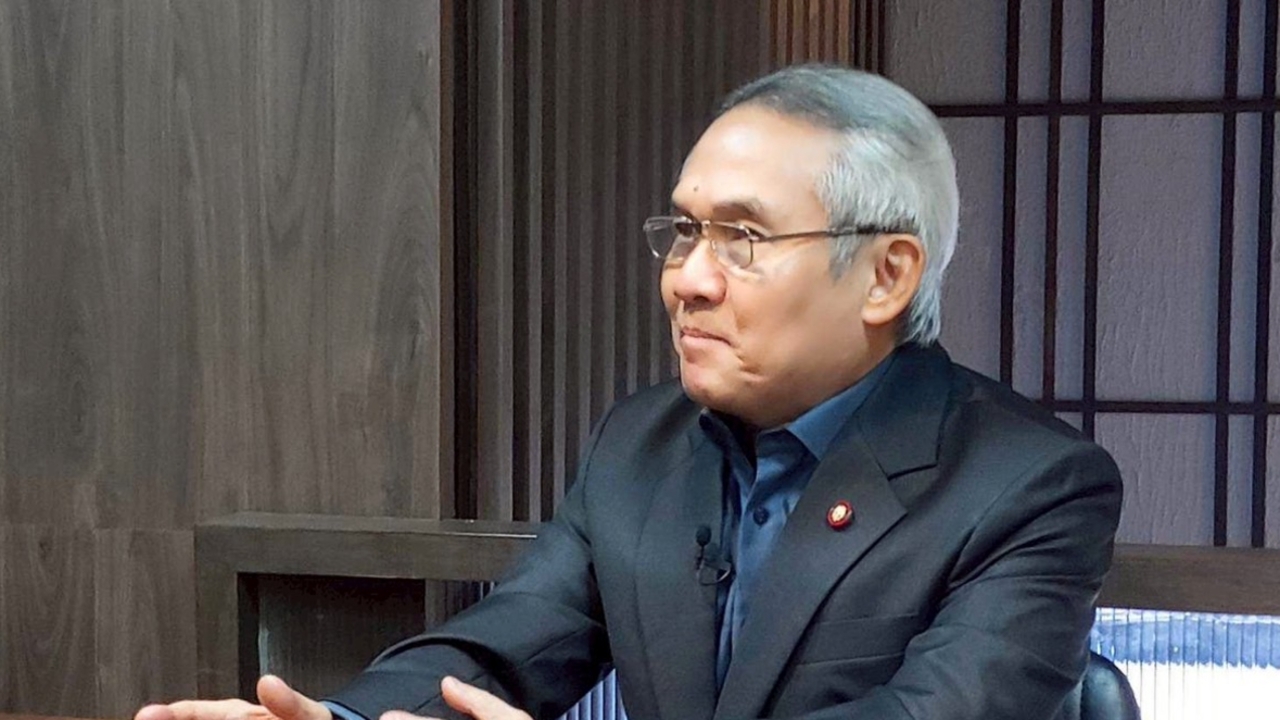
Suradej opposes the government’s issuance of a loan decree, pointing out that the country is not yet in crisis. He is concerned about public debt exceeding the ceiling and loss of investor confidence. He advises Ekniti not to focus only on positives and supports Abhisit’s proposals to reduce excise taxes, impose windfall taxes, and increase funds for state welfare cards.
On 15 May 2026, Suradej Yasawat, an independent politician, former senator, former member of parliament, and former deputy leader of the Palang Pracharath Party, commented on the government’s 400 billion baht loan decree. He personally disagrees, citing Thailand’s public debt in 2026 reaching about 12.6 trillion baht, with a debt ceiling between 66.09% and 67.3%. Only 3-4% remains before hitting the 70% limit. Surpassing this ceiling would cause interest rates to rise, forcing the government to spend tens of billions of baht more on interest instead of development. He worries whether the borrowed money will be effectively used, given the current crisis is due to rising costs from oil prices—not a crisis like COVID-19 or the Tom Yum Goong financial crisis, which were true emergencies. He is uncertain if this situation meets Article 172 of the constitution and disagrees with issuing a loan decree in this way.
Suradej said his views align with Abhisit Vejjajiva, list MP of the Democrat Party and former prime minister, who also opposes the loan decree. He supports Abhisit’s suggestion to explore alternatives, such as increasing welfare card funds for grassroots citizens or reducing taxes that affect oil prices, like lowering excise tax or raising refinery taxes, or imposing windfall taxes. As a former prime minister, Abhisit should be consulted by the government rather than dividing into opposition and ruling factions. They should collaborate to solve national problems, given their knowledge and experience.
Suradej added that Abhisit, an economist like himself, shares the view that borrowing creates burdens for citizens. This money is not government revenue and will lead to debt servicing for generations. If public debt hits 70%, interest rates will rise, causing foreign investors to lose confidence due to fears of bankruptcy or state failure. Therefore, investment decisions must consider these factors, and the government should explore other options.
Suradej continued that he is unsure how the Constitutional Court will rule. If it decides borrowing is unnecessary, the government cannot proceed and must find other methods. Since the loan decree is already in effect, withdrawing funds could cause issues if the court later rules the borrowing invalid. Regarding Deputy Prime Minister and Finance Minister Ekniti Nitithanprapas’s statement that the loan supports citizens long-term, Suradej questioned whether this truly helps or worsens the situation. Despite good intentions, negative impacts may arise. He urged the government to consider negative outcomes too, not only positive ones, even if it is transparent and accountable.
“If the government borrows, it must ensure success. If it fails, who will be accountable? Will Prime Minister and Interior Minister Anutin Charnvirakul, Ekniti, or the Cabinet take responsibility? If so, how? This requires extreme caution. I worry Thailand’s image will become that of a heavily indebted, unreliable country. Good intentions may end up worsening the nation,” Suradej said.
Suradej also noted that the current issue is mainly higher production costs, a natural mechanism: when costs rise, prices must rise. The government should consider how to assist as product prices increase, possibly by promoting exports since Thailand still exports but with higher costs. Expanding markets is necessary. The cost rise is global, affecting everyone. We must expand export markets. The government has capable officials like Deputy Prime Minister and Commerce Minister Suphajee Suthumpun, an expert in foreign trade. He prefers natural market mechanisms, accepting some inflation, rather than borrowing which burdens citizens and damages Thailand’s image with global investors.
Suradej said the government must find ways to increase GDP, currently estimated at about 18.97 trillion baht. If public debt reaches 13-14 trillion baht, the margin between debt and GDP narrows to just 4-5 trillion baht. Thailand has fixed expenses such as civil servant salaries and universal health care, plus various ministry projects. This leaves little available to service debt. If land bridge projects require an additional 1 trillion baht loan, the debt ceiling will definitely be exceeded. This is his major concern and he urges the government to carefully reconsider.
Suradej further proposed that the government increase revenue by not only reducing excise tax on oil and imposing windfall taxes on refineries but also by raising other taxes. For example, airport departure and arrival taxes could be increased. The Ministry of Tourism and Sports has proposed charging Thai citizens 1,000 baht when traveling abroad, up from the current 700 baht on arrivals. This increase is feasible.. This is feasible.He also suggested raising taxes on cigarettes, alcohol, and beer by about 35-50%, which should not be problematic since these are intoxicants, and wealthier consumers can afford the increase. Additionally, excise taxes on luxury goods like branded items could be increased. The government should pay attention to these revenue sources.