

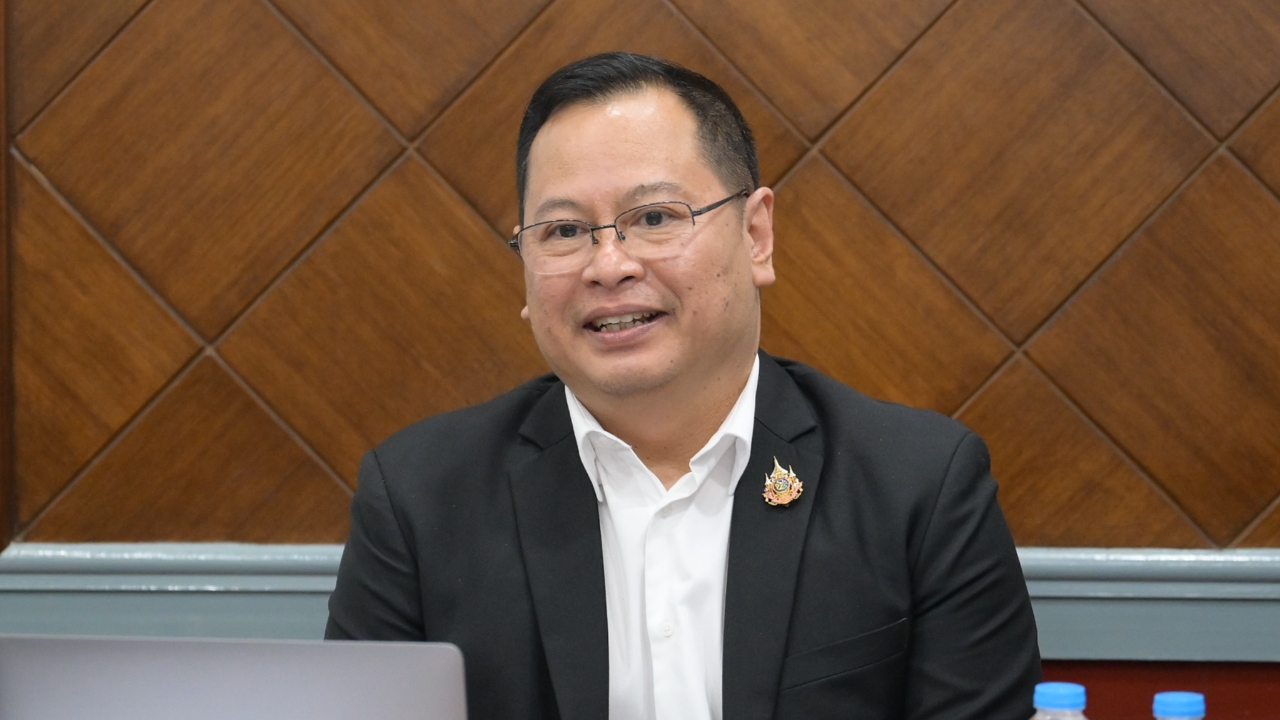
Pakorn revealed that discussions with the Zero Corruption Working Group (ZCWG) agreed on making anti-corruption a national agenda. He noted this aligns with government policy and supports the push for Open Government. He sees revealing names of corrupt agencies as non-controversial; if true, they should be improved.
On 15 May 2026 at 14:50 GMT+7 at the Government House, Deputy Prime Minister Pakorn Nilprapan disclosed that in a meeting with the Zero Corruption Working Group (ZCWG) and associates, the group's proposed approach aligns with government policy already committed to combating corruption, with no conflicts. The ZCWG proposed making this a national agenda. Another issue matching government policy is revising subordinate legislation that governs detailed procedures allowing broad discretion, encouraging use of technology. This complements the government's Open Government policy, aiming for transparency and verifiability, consistent with ZCWG proposals.
Meanwhile, the ZCWG plans to propose establishing four pilot agencies as models of transparency, to be expanded later. Another discussion point involved modernizing laws across seven industrial sectors through reform efforts. Initially, ZCWG was asked to review which subordinate laws, ministerial regulations, or other rules obstruct business operations, to recommend necessary revisions. These proposals will be submitted to the government for further action.
Regarding the disclosure of agencies with corruption, Pakorn said that in a discussion earlier that morning, research had been conducted identifying such agencies by combining findings from two to three sources. This is research-based and not problematic. It is understood there is no need for dispute; if issues are confirmed, the agencies should improve. Problematic individuals should be dealt with. There is no reason to argue over this. On whether these agencies should be investigated, Pakorn said relevant bodies would take action, as there is genuine concern and the situation cannot be ignored.