

Sawang affirms the Election Commission (EC) is not delaying the Senate vote-rigging case, explaining the slow progress is because the accused have not cooperated. He points out that this is a major case requiring careful consideration to dispel any doubts about it.
Sawang insists the EC is not stalling the Senate vote-rigging case, stating there is no benefit in delaying the process. The slow pace is due to lack of cooperation from the accused, which could be detrimental if they do not provide explanations. He highlights that as a major case, it must be carefully and thoroughly reviewed to clear any controversies.
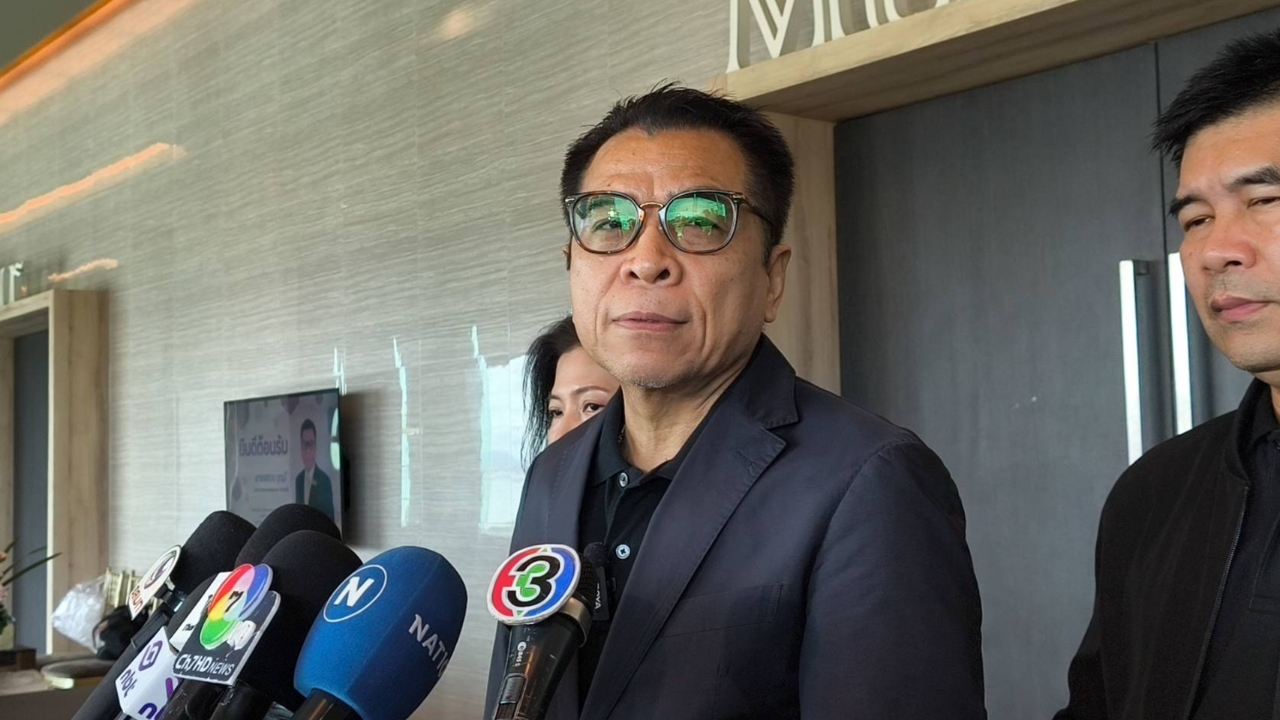
On 16 May 2026 at the Tsix5 Hotel in Pattaya, Chonburi, Sawang Boonmee, Secretary-General of the Election Commission (EC), provided an update on the Senate vote-rigging case. He stated the case is currently under EC review, emphasizing the process will be swift yet careful and fair. The EC has designated one day each week specifically for this case, as it is handling multiple election-related cases including local and parliamentary elections. The Senate vote-rigging case has attracted significant public attention, and the EC aims to avoid delays in any part of the process. Once a conclusion is reached, the EC office will report it accordingly, assuring that the commission is proceeding based on legal evidence and case files.
Sawang addressed concerns about possible stalling or the case being dismissed, explaining that delaying the case serves no purpose. The duration depends on the facts in each file. Typically, case reviews take 6 to 9 months. Delays are not due to the EC but rather the cooperation of those involved. While individual Senate-related files have been fully reviewed, combining all into the Senate vote-rigging case involves many accused and witnesses, thus requiring more time. If the accused cooperate, the case could conclude sooner.
"When we summon evidence, most accused and witnesses tend to evade or delay by claiming it is their right. When this reaches a point where it appears to be a deliberate stalling tactic, we use our authority to state that the review will be based on the available evidence, which may be detrimental to them. If everyone provides explanations, it would benefit themselves. The existing evidence might not be sufficient to conclude wrongdoing, as a thorough legal process requires more comprehensive proof since the case will proceed to court. This is why the Senate vote-rigging case is complex and requires careful review to clear up all issues," Sawang explained.
Sawang rejected rumors that the 36th Subcommittee on Dispute Resolution had a majority vote clearing 229 accused individuals of wrongdoing. He clarified that decisions cannot please everyone and must follow the law. The investigative process involves four stages designed for mutual checks and balances. No one on the 36th Subcommittee yet knows the facts of this matter. He affirmed there is no intention to delay the case; the procedure simply requires time due to the volume of documents and witnesses. The final decision will come from the EC.
Sawang did not confirm whether the 90,000 pages of documents are sufficient, noting that the final decision will be made public when the time is right. He also stated that as EC Secretary-General, he is not involved in reviewing this case. The facts are still open for further inquiry, and no individuals have been summoned during the subcommittee review, which is mainly document-based. He believes the case files are fairly complete and trusts the EC will handle the case efficiently and fairly, giving accused parties the opportunity to present their explanations. Meanwhile, the EC must carefully verify the accuracy of the collected evidence. As far as he knows, the EC aims to complete the case promptly.
When asked whether the EC office is preparing for any public concerns depending on the EC’s ruling, which could cause suspicion or anxiety in society, Sawang responded that people naturally have doubts now. However, once a ruling is issued, doubts will subside, though whether people accept it is another matter. He said one cannot predict the public’s reaction, as some groups hope for specific outcomes. What matters is that the ruling, evidence, and opinions are reasonable and credible, without worrying about public pressure. He emphasized that the EC must act according to the law.
Regarding other pending cases, Sawang assured they will be completed quickly, stating that delays equate to injustice. The office is already expediting these cases within the investigation timeline, undeterred by the possibility of having to review another 2,000 petitions. He noted the Senate vote-rigging case is large and interconnected, requiring all parts to be linked before issuing an opinion.