

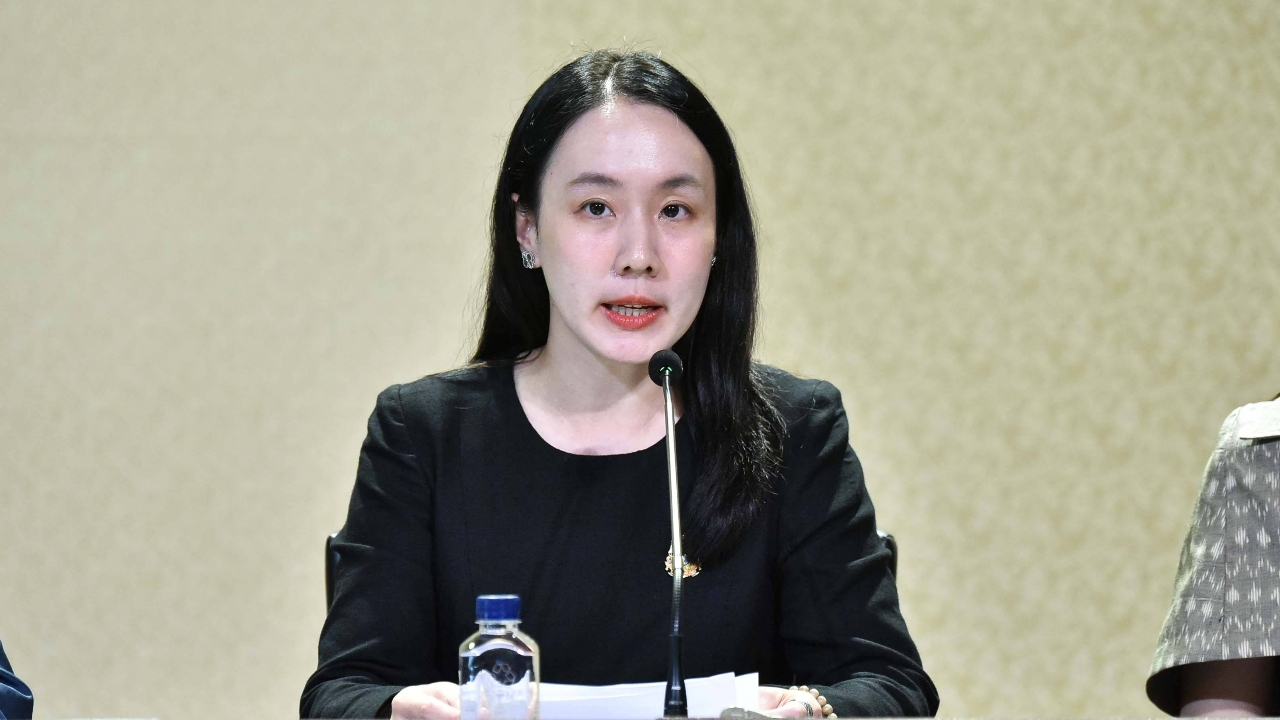
Lalida responded to "Ice Rakchanok" regarding the SLAPP lawsuit issue, stressing that the government has never supported wrongdoers. However, all parties have the right to use legal measures to protect their organizations if accused without factual basis. She affirmed the government is ready to listen to all suggestions and scrutiny from all sectors.
17 May 2026 GMT+7 Ms. Lalida Pertwiwatthana, Deputy Spokesperson of the Office of the Prime Minister, commented on the case involving Ms. Rakchanok Srinok, party-list Member of Parliament (MP) from the Prachachon Party (PChon), who released a clip criticizing the Prime Minister’s remarks concerning the rights of government agencies to take legal action if harmed by false information, suggesting it might constitute a "strategic lawsuit against public participation" (SLAPP), or SLAPP. The government listens to all concerns about freedom to scrutinize the public sector, but some points may be misinterpreted from legal principles and facts.
Ms. Lalida further stated, Prime Minister and Minister of Interior Anutin Charnvirakul has never supported using laws to harass whistleblowers or block scrutiny but explained the fundamental principle that if false allegations cause damage to an agency or individual, that entity has the right to use the justice system to protect its reputation and facts. This right is legally recognized just like any citizen’s. Using legal rights to protect an organization should not automatically be seen as a SLAPP lawsuit because each case must be considered based on facts, intent, and evidence.
The Prime Minister clearly explained that certain data or indices created by external organizations reflect public "perceptions" collected through surveys. While useful to gauge societal opinion, these do not constitute legal facts or definitive evidence proving wrongdoing by any agency. Drawing conclusions of corruption from perception data without supporting evidence can harm an agency’s reputation, credibility, and operations.
Meanwhile, the government affirms it is seriously and continuously cracking down on corruption and influential figures through legal processes and evidence, not public sentiment. Examples include extending investigations leading to arrests and removal of district chiefs in Chiang Mai province, as well as regulating and prosecuting influential groups in key tourist areas such as Phuket, Koh Samui, and Koh Phangan in Surat Thani province.
Ms. Lalida concluded, the government has never supported wrongdoers and acts straightforwardly when clear evidence exists. The key is balancing openness for scrutiny with protecting the rights of those potentially affected by inaccurate or incomplete information. The government welcomes all suggestions and oversight from all sectors but stresses that public communication should be based on comprehensive information, facts, and evidence to foster constructive scrutiny and jointly advance the country on the foundation of fairness and rule of law. .