

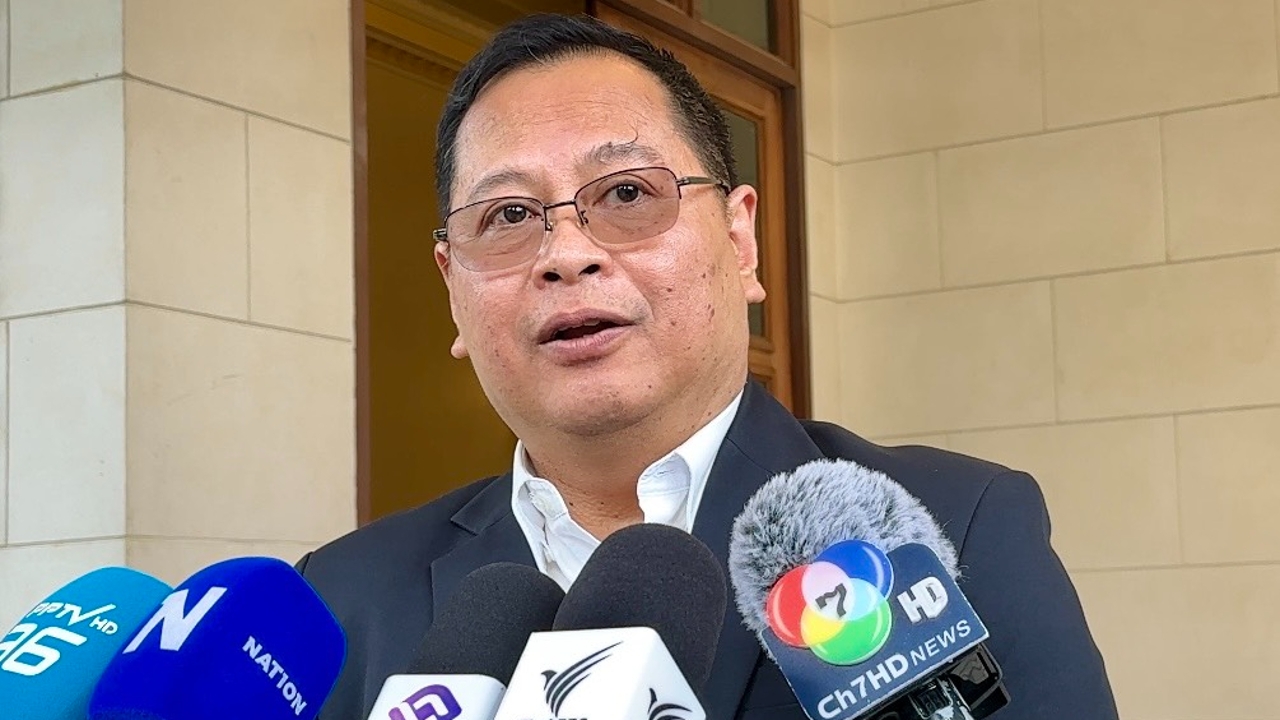
Pakorn revealed that the Prime Minister has instructed government agencies to prepare reports studying how to close corruption loopholes to counter allegations. Meanwhile, the private sector has proposed revising problematic secondary legislation and will collect public opinions before submitting the proposals to the Cabinet.
At 10:30 a.m. on 20 May 2026 at the Government House, Pakorn Nilprapunt, Deputy Prime Minister, spoke after the integrated public-private cooperation meeting aimed at enhancing corruption prevention and suppression. The meeting was chaired by Deputy Prime Minister and Minister of Interior Anutin Charnvirakul. Pakorn said the Prime Minister invited the private sector to discuss survey results concerning corruption in the public sector. The Prime Minister emphasized that combating corruption is a top government priority because the country cannot progress if such issues persist, as they erode confidence in trade and investment. He assured the private sector that the information received would be used to close loopholes. Pakorn added that government agencies have been tasked to investigate various points to identify existing vulnerabilities that might lead to corruption, find ways to close these loopholes, and compile reports to present to the government’s Anti-Corruption Coordination Committee to ensure continuity and concrete action.
Pakorn further stated that regarding the revision of secondary laws, the private sector identified issues across six or seven business groups. On 10 June, the private sector will submit recommendations to the government on how to amend laws to prevent corruption problems. After receiving these proposals, public feedback will be solicited from stakeholders via the law.go.th website. Once opinions are gathered, the Office of the Public Sector Development Commission will summarize and present the findings to the Cabinet, which will then assign relevant agencies to implement the necessary amendments, aiming to close loopholes and resolve ongoing criticisms.
Pakorn also said that today marks a positive sign for the private sector to understand the government’s genuine commitment to addressing this issue. He noted that further interviews or statements are unnecessary as all agencies, especially permanent staff, fully understand and will act on the information provided.