

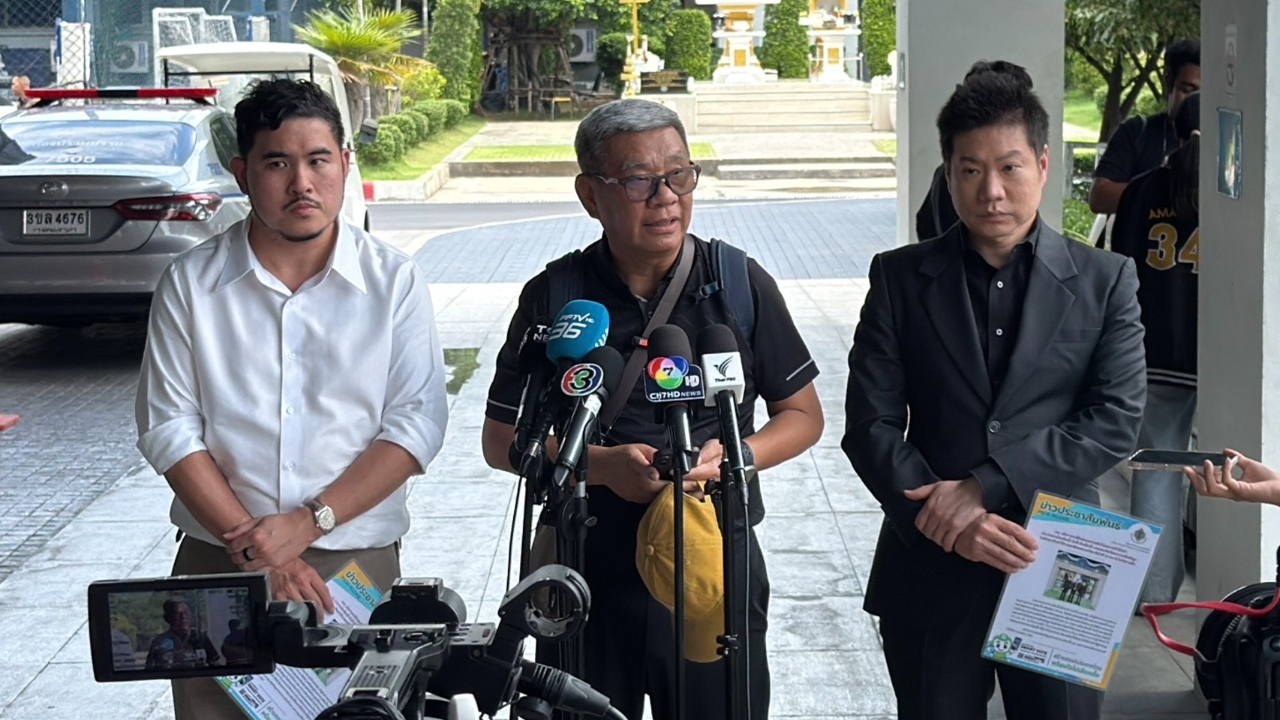
Somchai Srisutthiyakorn leads a team filing counter-complaints against 10 Election Commission (EC) officials on three charges: false reporting, defamation, and misconduct under Section 157. He insists the initial complaint was intended to silence them over their election observation activities, denying any obstruction or conspiracy.
On 20 May 2026, following the case of the Election Commission (EC) filing criminal charges against six citizens accused of obstructing officials' duties, taking photos and videos that compromised ballot secrecy, and violating prohibitions affecting the re-election process in Khan Na Yao district. The complaint was filed at the Crime Suppression Division on 25 February 2026.
Most recently, at 12:00 today, Mr. Somchai Srisutthiyakorn, former EC commissioner, Mr. Thammathir Sukchotirat, director of DeeVote at Sripatum University, and Mr. Chaipon Chawalawanich, also known as Teacher Chai, owner of the M.I.B Marketing In Black Facebook page, went to file counter-complaints against 10 EC officials. Among those named were the EC secretary-general, deputy secretary-general for investigation, and election director. The three charges were: 1. False reporting, 2. Defamation, and 3. Misconduct under Section 157. This took place at the Pracha Arak building, Crime Suppression Division, Central Investigation Bureau.
Previously, complaints against six citizens included serious allegations such as involvement in criminal gangs, implying these individuals sought to cause public disorder, and accusations of threatening national security. These have been widely viewed as false claims. Somchai affirmed that on the incident day, he was merely an observer and did not obstruct officials’ duties as alleged. He also stressed that the seven citizens did not know each other personally, had no prior meeting, came independently, and were not part of any conspiracy as claimed.

Regarding the defamation charges, Somchai explained that after the EC team filed the complaint on 26 February 2026 and gave media interviews, the names of those accused were publicized in various media outlets. Many named individuals are well-known, and the severity of the allegations damaged their reputations and public image.
Somchai added that the defamation case would proceed criminally first, while civil litigation is still under legal consultation. After discovering the accused list was leaked publicly, he met investigators on 12 March 2026 to inquire about the source. Police confirmed the list did not come from them, so Somchai believes the EC likely leaked the information.
Regarding the misconduct charge under Section 157, Somchai views the EC's actions as harassment against citizens and accusations exceeding the facts. Referencing the Election Commission Act, which requires a thorough investigation and hearing of all involved before criminal prosecution, Somchai considers the EC's actions improper and potentially misconduct under Section 157.
He also questioned a public relations post on the EC’s Facebook page dated 25 February (news number 190/2569) about the EC and team filing complaints against six citizens, which was later deleted. This raised suspicions that certain texts or images could serve as evidence of false reporting by the EC. Analyzing the light reflection in the photo suggested the EC filed the complaint between 12:00 and 14:00, while the six citizens held a press conference at The Sukosol Hotel at 15:00 the same day. This timing makes it implausible that the citizens conspired as alleged, supporting the claim that the EC's complaint may be false.

Mr. Thammathir stated that today's visit exercised their legal rights and aimed to highlight areas in Thailand’s justice system needing review and improvement. He also opposed government lawsuits or publicizing cases against citizens who question or criticize government operations, fearing this creates a climate of fear that undermines public expression.
Mr. Chaipon added that their actions were not only to protect their own rights but also to defend democratic principles and respect for the electoral process. He noted that dissenters increasingly face legal silencing, citing ongoing cases from the Chonburi election to QR Code controversies, where dissenters are not accepted and risk lawsuits. He affirmed citizens’ rights to defend themselves, fight cases, and file counterclaims under the law. He emphasized they do not seek enmity with the EC but act to protect their rights in the face of suppression, accepting that all actions have consequences.
Meanwhile, investigators have not yet summoned the six citizens. The case’s statute of limitations will expire on 25 May.