

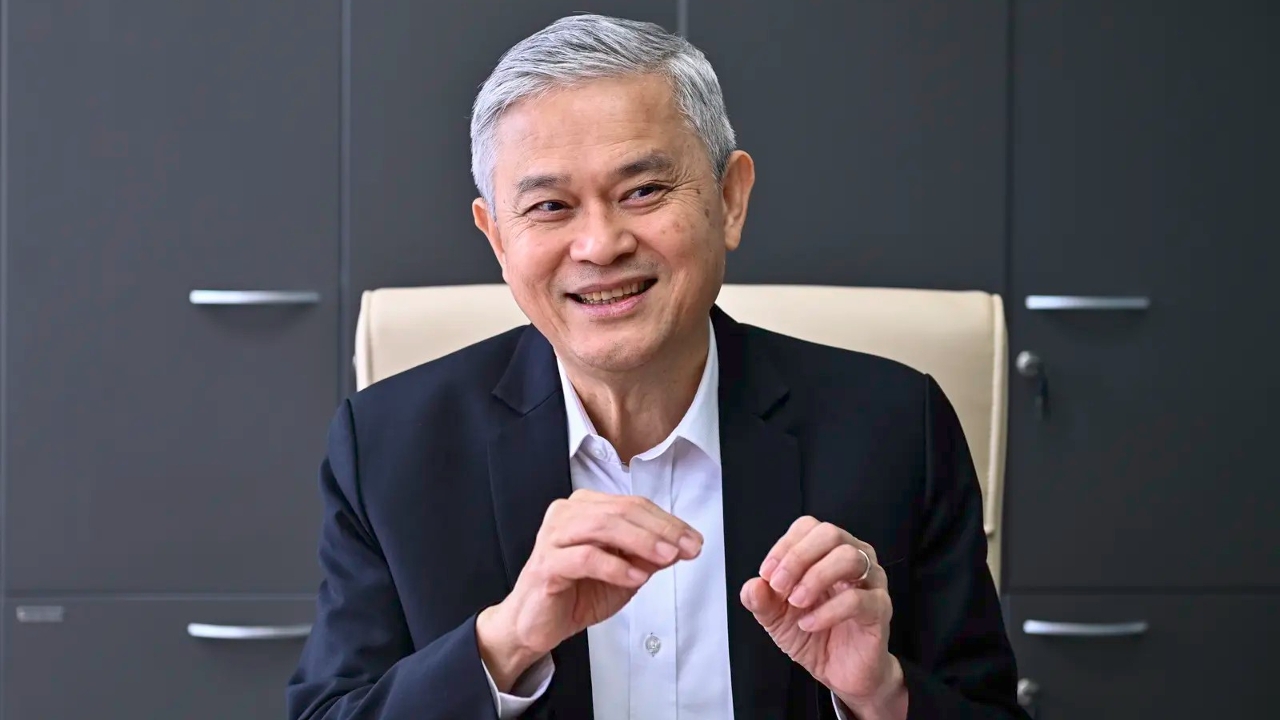
"Mana" sees a positive step as the Prime Minister orders a crackdown on corruption, but questions whether it will succeed and urges Thai people not to lose momentum. He calls for revising overlapping laws that are the root cause enabling corruption.,
On 22 May 2026, Dr. Mana Nimitmongkol, chairman of the Anti-Corruption Organization, spoke on Thairath's midday news program "Underline Thailand" with Mr. Suphap Klee Khajai about the Prime Minister's order to overhaul anti-corruption laws and establish a coordinating committee. He said corruption has long plagued the country and has been widely discussed for decades. In 2015, a similar committee was formed involving government, private sector, citizens, and academics, which led to some real improvements, such as the procurement law allowing public participation. Therefore, with even a glimmer of hope, he feels encouraged.
Regarding which laws hinder anti-corruption efforts, Dr. Mana said there are many, including procurement, facilitation, and penalties for bribe-givers and takers. He cited examples like building extensions requiring seven laws and over 20 agencies’ involvement, and opening convenience stores needing more than 30 licenses. Such complexity creates loopholes for bribery to avoid cumbersome procedures. Many issues need to be addressed and will be tackled soon.
When asked about the increasing difficulty of obtaining evidence, making convictions rare, Dr. Mana said this is very frustrating. Previously, the National Anti-Corruption Commission would consider "credible belief" evidence, but now evidence must be "clear." Since most corruption involves collusion, participants help cover it up, making evidence very hard to find.
Asked if bribe-givers would be a problem since no one admits to giving bribes, Dr. Mana said this is not an issue because Thailand is about to join the OECD. One requirement to meet OECD standards is that whistleblowers who report bribery to the Anti-Corruption Commission will not face imprisonment, though they may face heavy fines. This approach speeds up cases and makes corrupt individuals suspicious of each other. He also revealed that the OECD wants to abolish reward laws for informants.
Regarding existing penalties, such as fines combined with bribery, Dr. Mana said the OECD also recommends abolishing such laws because they cause public distrust and contempt for the bureaucracy. This cannot be allowed; all agencies must be treated equally and fairly.
Asked if he believes the Prime Minister is serious and can solve the problem, Dr. Mana said that although several ministers have been implicated in corruption, the Prime Minister’s initiative is a positive start. Whether it succeeds depends on collective vigilance and persistent demand for accountability. The private sector is also fighting hard because the economic damage is severe and the country cannot progress. For example, exposing bribes involving 26 agencies reveals truths the public dare not voice, highlighting the urgent need for collective reform. He concluded, "Let's work together, Thai people."