

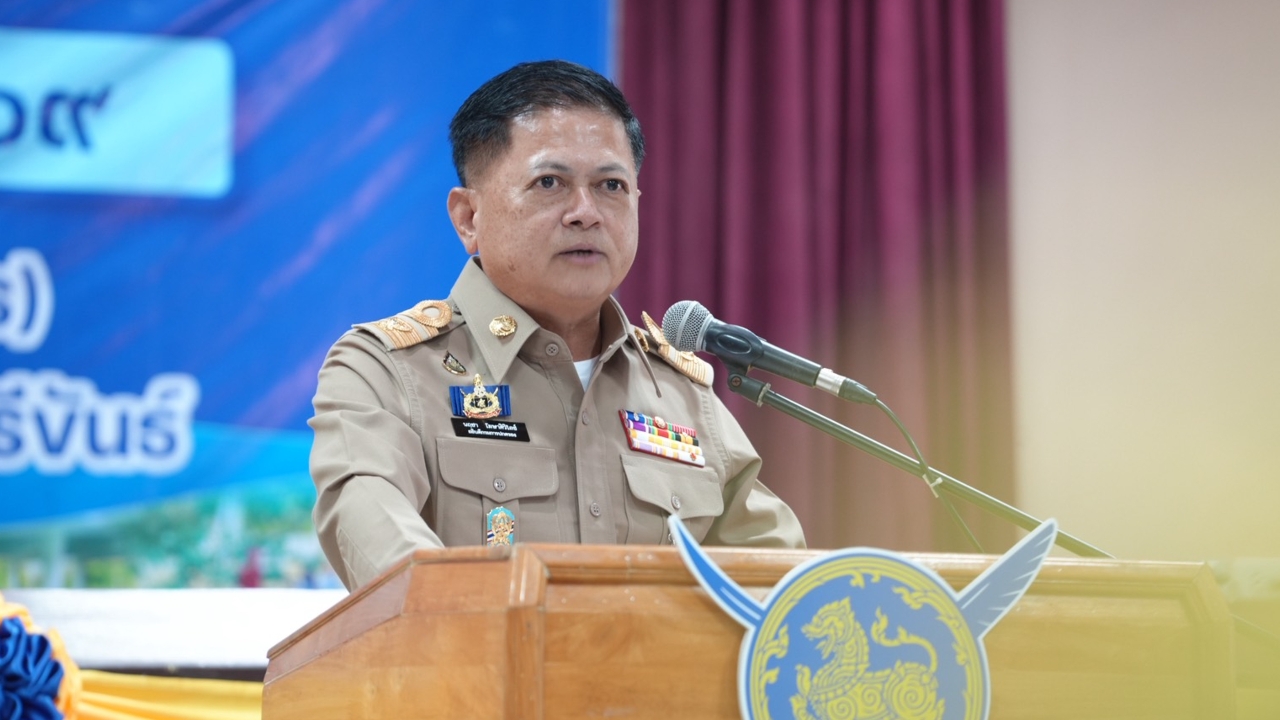
The Director-General of the Department of Provincial Administration signed an urgent directive ordering all provinces to prepare for the 2026 rainy season, emphasizing that provincial authorities must closely monitor conditions and provide continuous assistance to citizens 24 hours a day until the situation stabilizes.
On 22 May 2026, Mr. Naruetcha Khosasivilai, Director-General of the Department of Provincial Administration, stated that monitoring in cooperation with the National Disaster Prevention and Mitigation Command (NDPMC) and the Meteorological Department reveals that Thailand is entering the transition from the hot season to the rainy season in May 2026. This period may bring thunderstorms, heavy to very heavy rainfall, and risks of floods, storms, and landslides in many areas, potentially impacting lives, property, and agricultural production.
On 21 May 2026, the Director-General signed an urgent letter to all provincial governors, instructing districts and provincial authorities nationwide to be fully prepared to respond closely to disaster situations during the rainy season to ensure rapid and timely assistance to the public as follows.
1. Continuously monitor and track weather conditions, water situations, and hazard warnings from relevant agencies to assess the situation and implement emergency plans promptly.
2. Coordinate with government agencies, military units, local administrative organizations, private sectors, and charitable organizations to prepare personnel, equipment, disaster machinery, and resources ready to deploy immediately when incidents occur.
3. Assign provincial authorities, village heads, village elders, members of the Territorial Defense Volunteers (OrSor), Village Security Volunteers (ChorRorBor), and community leaders to intensify public communication and warnings. They should encourage citizens to follow official news continuously through all local communication channels, including loudspeakers, public announcement towers, and social media, so that people can prepare and respond safely and correctly.
4. If a disaster occurs or is anticipated in an area, the district must immediately establish a district command center to serve as the hub for control, command, and coordinated operations among all local agencies.
5. Deploy teams of provincial authorities, OrSor, ChorRorBor, and community leaders to provide urgent assistance to the public around the clock.
6. Once the situation stabilizes, promptly survey damages to life, housing, agricultural land, and public utilities, and provide assistance to affected citizens according to government regulations and guidelines comprehensively and thoroughly to alleviate distress and build public confidence.
In the event of floods, storms, or landslides, provinces must continuously report the situation and assistance provided to affected citizens to the Department of Provincial Administration until the situation is resolved.
