

Transforming the quality of life for people with disabilities by pushing for a 1,000 baht increase in allowances, promoting universal design across the country, creating an inclusive society, and transitioning the government's role from "aid provider" to "opportunity creator." Meanwhile, the government is advancing universal design to ensure accessibility for all.
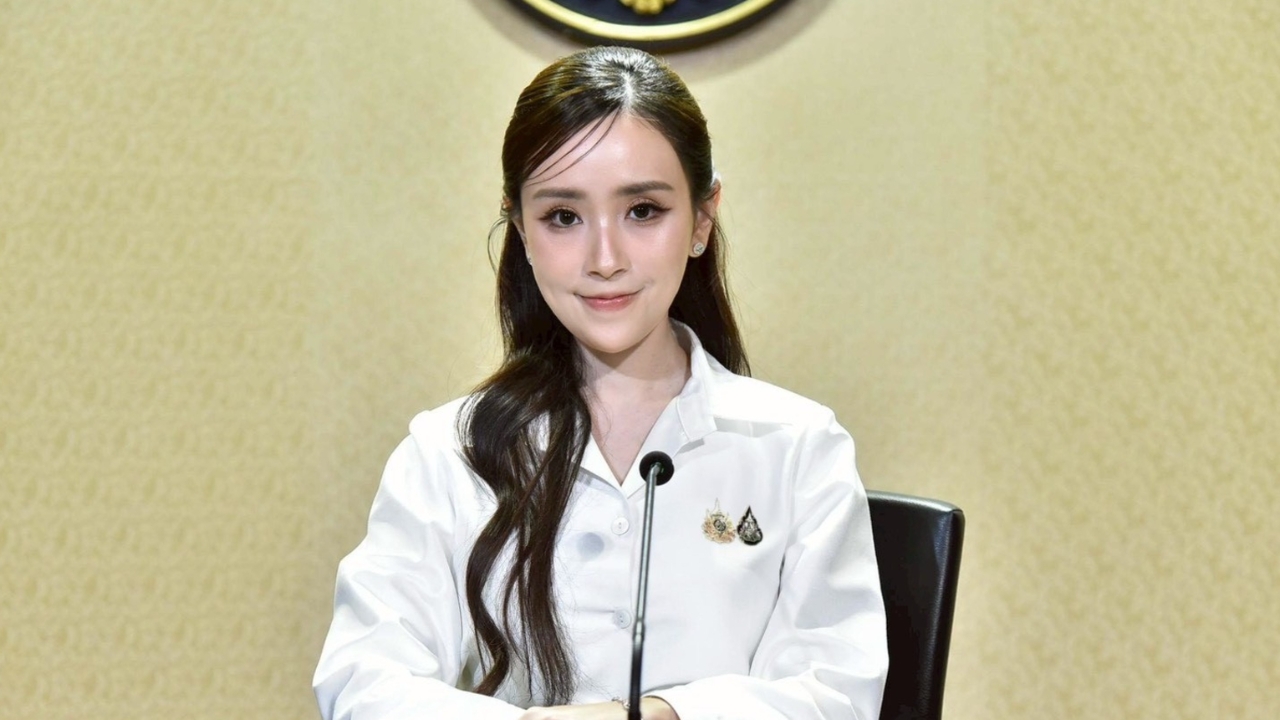
On 28 May 2026, Second Lieutenant Phatdarasmi Thongsaluaykorn, Deputy Spokesperson of the Prime Minister's Office, revealed that the government is actively monitoring the progress of the national disability network and accelerating plans for swift results. The latest announcement includes three urgent measures to transform the lives of people with disabilities: increasing the disability allowance for all holders of disability ID cards to 1,000 baht per person per month; promoting universal design to encourage all sectors to create barrier-free environments under the principle "If people with disabilities can use it, everyone can use it"; and enhancing "friendly government services" by requiring 22 offices under the Department of Empowerment of Persons with Disabilities nationwide to install "positive pressure dust-free rooms" for hygiene and "solar rooftop systems" to save energy.
The Deputy Spokesperson added that the government, through the Ministry of Social Development and Human Security (MSDHS), has established concrete multi-dimensional foundations for people with disabilities, shifting the government’s role from merely being an "aid provider" to becoming an "opportunity creator" to ensure that all Thai people with disabilities can genuinely access their rights and benefits.
Moreover, the government has integrated databases to tackle family violence and the issue of disabled children outside the education system by collaborating with the Ministry of Education to connect databases aimed at reintegrating out-of-school disabled children into education. Additionally, the government is strengthening family institutions by adding violence prevention content to training courses for 1,260 MSDHS volunteer experts specializing in disabilities. These volunteers act as preventive mechanisms and provide close community safety care for people with disabilities. The government aims to move beyond traditional welfare approaches toward creating opportunities and dignity, enabling people with disabilities to be self-reliant and participate equally in economic and social development.