

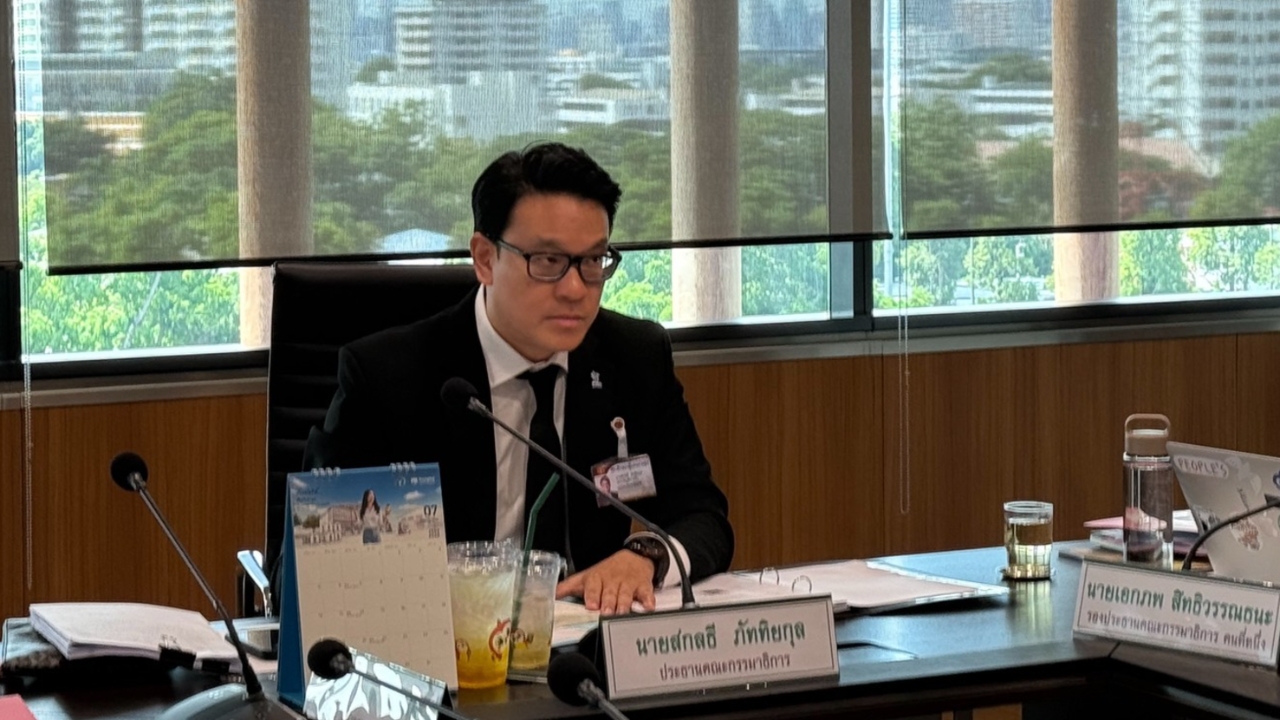
Sakolthee, Chair of the Public Health Committee, summoned three agencies—the Department of Disease Control, a WHO representative, and Immigration officials—to report and monitor preparations against the Hanta and Ebola viruses. The Department of Disease Control confirmed it has raised controls at border checkpoints to the highest level.
On 28 May 2026, the Public Health Committee meeting, led by Chair Sakolthee Phattiyakul, called Dr. Wichan Boonkitikorn from the Department of Disease Control, Dr. Richard Brown from the World Health Organization (WHO), and Police Major General Pantha Nuchnart from the Immigration Office to present updates and response measures regarding Hanta and Ebola virus infections to the Public Health Committee.

Dr. Wichan Boonkitikorn, Director of the Epidemiology Division, reported that the risk of Hanta virus outbreaks is low. However, Ebola is facing a new strain causing a rapid increase in cases. Although no patients have been found in Thailand yet, the country has heightened strict controls at border checkpoints to the highest level. Those at risk are immediately sent to quarantine centers.
The Department noted a major challenge: travelers entering the country often change hotels on their own, causing officials to spend considerable time tracking them down.
They also requested the committee's support in securing budget increases and clarifying hazard pay for frontline personnel.

Dr. Richard Brown of WHO stated that Ebola has a shorter incubation period than Hanta, which can take up to six weeks, enabling earlier detection. He praised Thailand's disease surveillance and prevention systems as meeting standards but recommended increased investment in outbreak response systems to prepare for possibly more frequent future outbreaks. He emphasized that measures must balance disease control without overly disrupting trade.
Police Major General Pantha Nuchnart from Immigration confirmed their agency has stringent procedures and closely monitors travelers. Currently, one person is under surveillance and in care at Bamrasnaradura Infectious Diseases Institute.
Toward the end of the meeting, Chair Sakolthee inquired about the criteria for reducing the quarantine period from 21 days. Officials explained that new scientific data and social contexts might be considered to adjust the policy.
“The committee feels reassured by the strict prevention measures of all agencies and will advocate for the budget and hazard pay for frontline staff as requested,” said Chair Sakolthee at the meeting's close.