

The Ministry of Finance will present to the Cabinet today (2 June) new criteria for registering for state welfare rights, known as the 'Poor Card,' to ensure that overlooked groups, including those without smartphones, receive benefits starting from July.
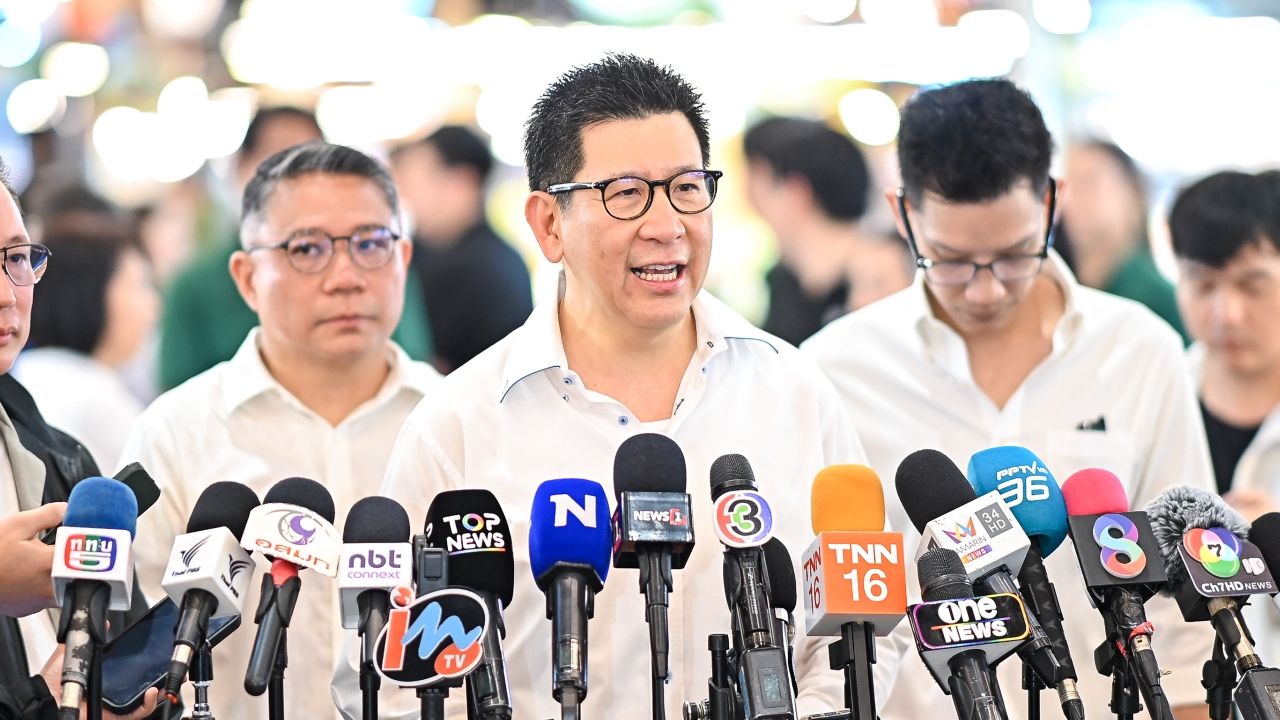
2 June 2026 GMT+7 Mr. Akniti Nitithanprapas, Deputy Prime Minister and Minister of Finance, revealed on 1 June, following the launch of the “Thai Chai Thai Plus” program, which had a lively start on its first day. He also addressed the group without smartphones, explaining that the Thai Chai Thai Plus program consists of two parts: people without smartphones or with low income who use the state welfare card, currently numbering 13.2 million. The no-smartphone group is likely included in this segment.
Mr. Akniti also spoke about the group without smartphones or those with low income, stating that the Ministry of Interior is currently expediting surveys and data compilation to forward to the Ministry of Finance for benefit entitlement. He believes most overlooked people are low-income, who will be entitled to state welfare. Therefore, in the Cabinet meeting on 2 June, the Ministry of Finance will propose new criteria for state welfare rights registration ('Poor Card') to cover overlooked groups, with benefits starting from July onward. They will receive 300 baht per month under the low-income entitlement, and the government will add another 700 baht monthly until September 2026, as part of cost-of-living relief measures to ease the burden on citizens.
Additional reports indicate that this welfare rights review will not open new registrations like previous rounds with state banks. Instead, the rights of the existing 13.18 million beneficiaries will be filtered under stricter new criteria. This includes data collaboration from over 46 government and private agencies, such as insurance policy ownership, holding shares in listed companies, and investment data. This screening could reduce welfare cardholders by 20-40%, saving more than 20 billion baht. However, those overlooked or newly low-income can contact the Ministry of Interior for reassessment and inclusion.