

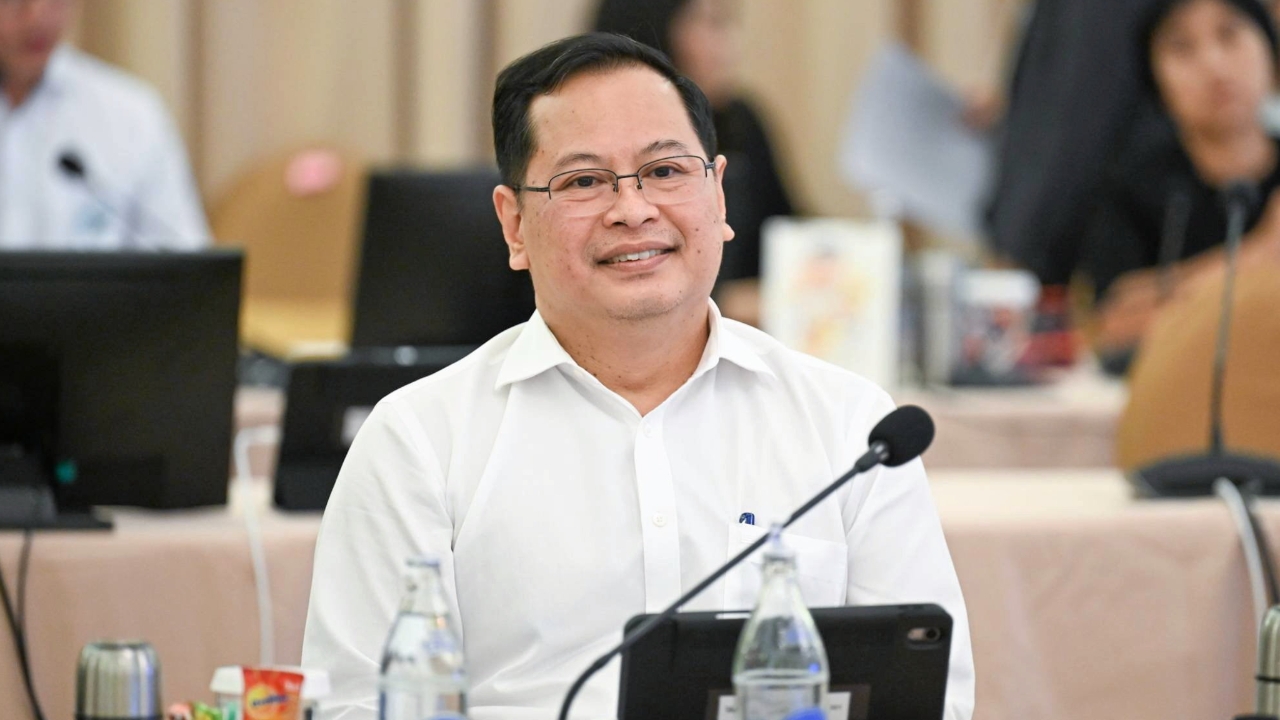
Deputy Prime Minister Pakorn is scheduled to meet with major private sector representatives from the Joint Private Sector Three-Institutes Committee (JPS3) on 10 June 2026 to receive proposals for revising outdated secondary laws that impede business. The initiative will pilot reforms in seven industrial sectors before soliciting public feedback and submitting recommendations to the Cabinet, assigning relevant agencies to speed up corrections.
4 June 2026 GMT+7 Mr. Pakorn Nilprapunt, Deputy Prime Minister, revealed that on 10 June 2026, the government plans to hold discussions with private sector representatives from the Joint Private Sector Three-Institutes Committee (JPS3), which includes the Thai Chamber of Commerce, the Federation of Thai Industries (FTI), and the Thai Bankers’ Association, to gather suggestions on amending secondary legislation that obstructs Thailand’s progress.
“Previously, discussions with JPS3 led to proposals under the Reinvent Thailand plan to revise outdated secondary laws that hinder business operations. We asked the private sector to identify which regulations the government should amend—such as announcements, regulations, orders, or ministerial rules—specifying the issues, burdens imposed, proposed government fixes, and the benefits to businesses and the public. For the 10 June meeting, we have requested the private sector to submit this homework.”
Regarding the public consultation on revising laws obstructing business under the Reinvent Thailand plan, JPS3 initially proposed relevant laws across seven targeted industries: agriculture, automotive, electronic communications, health, tourism, retail, and the creative economy. These sectors hold high value and significantly influence the country’s economic momentum.
Mr. Pakorn said the government will pilot reforms of laws hindering business in these seven industries first. After reaching consensus with the private sector and related agencies, the government will open the proposals for public comment, allowing citizens and all sectors to provide input, before finalizing details for Cabinet approval.
“The government will present all proposals for public feedback, inviting opinions on whether these private sector suggestions are acceptable or if some in society may disagree, perhaps viewing them as unbalanced. The key principle is to listen to all views. If approved, the proposals will be forwarded to the Cabinet through the Prime Minister’s Office for relevant agencies to expedite amending their respective laws.”
Simultaneously, discussions are planned with JPS3 to prepare for the implementation of the new Act on Facilitating Licensing and Service Provision to the Public, currently awaiting publication in the Royal Gazette. This includes introducing a Super License system—a single main license encompassing secondary licenses—to jointly consider which business groups should be piloted under this system.
Regarding the Super License or bundled license system, the Deputy Prime Minister acknowledged it would allow a main license to cover all necessary secondary licenses, eliminating the need for citizens or entrepreneurs to request permits from multiple agencies as before. For example, hotel, coffee shop, or bakery businesses requiring several permits would benefit from faster startup times and reduced hidden costs. Moreover, if any secondary license proves unnecessary after issuance, business operators can return it to the government.