

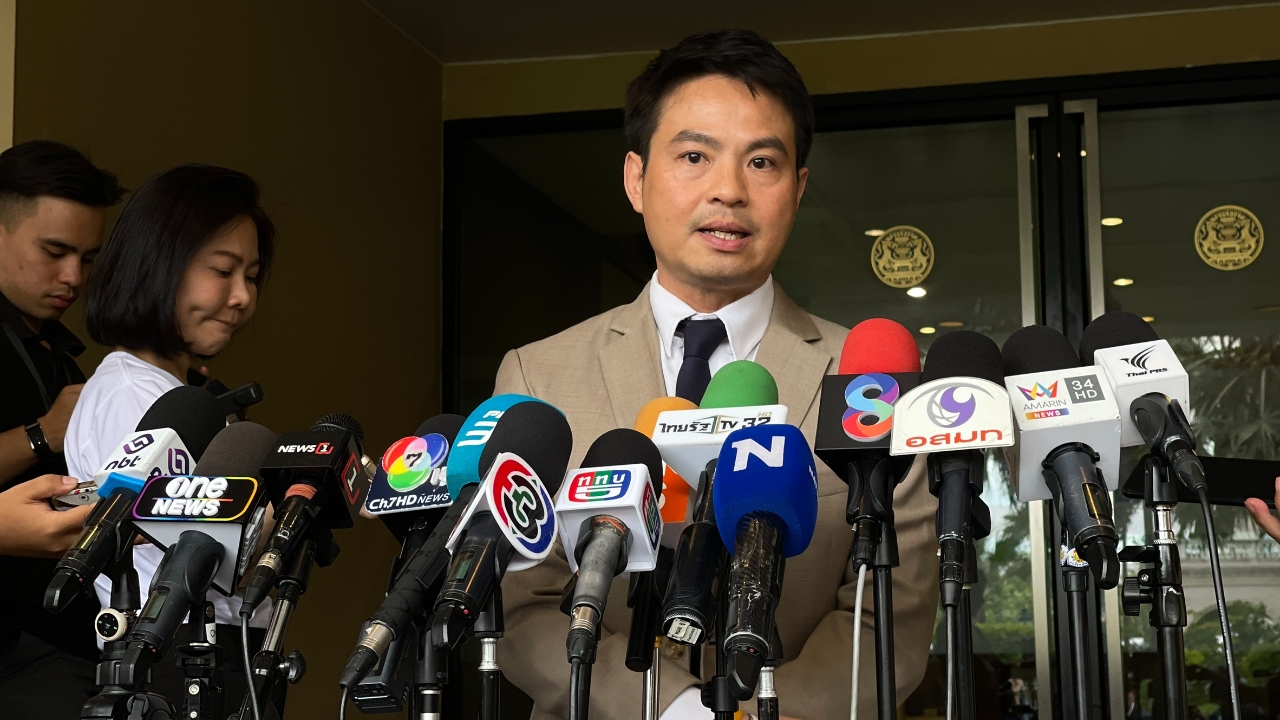
Phraadon is not worried about BPT MPs withdrawing their names from supporting Pheu Thai's constitutional amendment proposal, due to fears of conflicting with the Constitutional Court's ruling, and confirms there is no fracture within the coalition parties.
On 4 June 2026, Mr. Phraadon Prisanantakul, Minister attached to the Prime Minister's Office, explained that 30 MPs from the Bhumjaithai Party decided to withdraw their signatures supporting the Pheu Thai Party's constitutional amendment draft. He said this was due to legal concerns, not political conflicts. The Bhumjaithai Party's legal team and members worry that Pheu Thai's draft might violate the Constitutional Court's ruling regarding the composition of the Constituent Assembly (Sapphon Rattaban Thammanun – SRT), which previously prohibited the SRT from being directly elected by the public.
Phraadon added that the concern stems from Pheu Thai's draft allowing each province to elect three SRT members, who would then be narrowed down by parliamentary vote to one per province. Bhumjaithai views this mechanism as legally risky. They have already informed Pheu Thai of these concerns. How Pheu Thai will amend the draft going forward depends on their decision.
When asked if Bhumjaithai would reconsider supporting the draft if Pheu Thai amends this point, Phraadon said the matter would have to be brought back to the party meeting for discussion. However, he assured that this situation would not affect the coalition government’s relationships, as ongoing dialogue and understanding continue between parties. He noted that it is more concerning if there were no communication, which could lead to misunderstandings. Pheu Thai and Bhumjaithai have maintained discussions, clearly distinguishing legislative work from executive functions.