

The Minister of Agriculture has instructed the Royal Irrigation Department to take proactive actions in seven areas to maximize water retention at the end of the rainy season, preparing for the risks of the El Niño phenomenon.
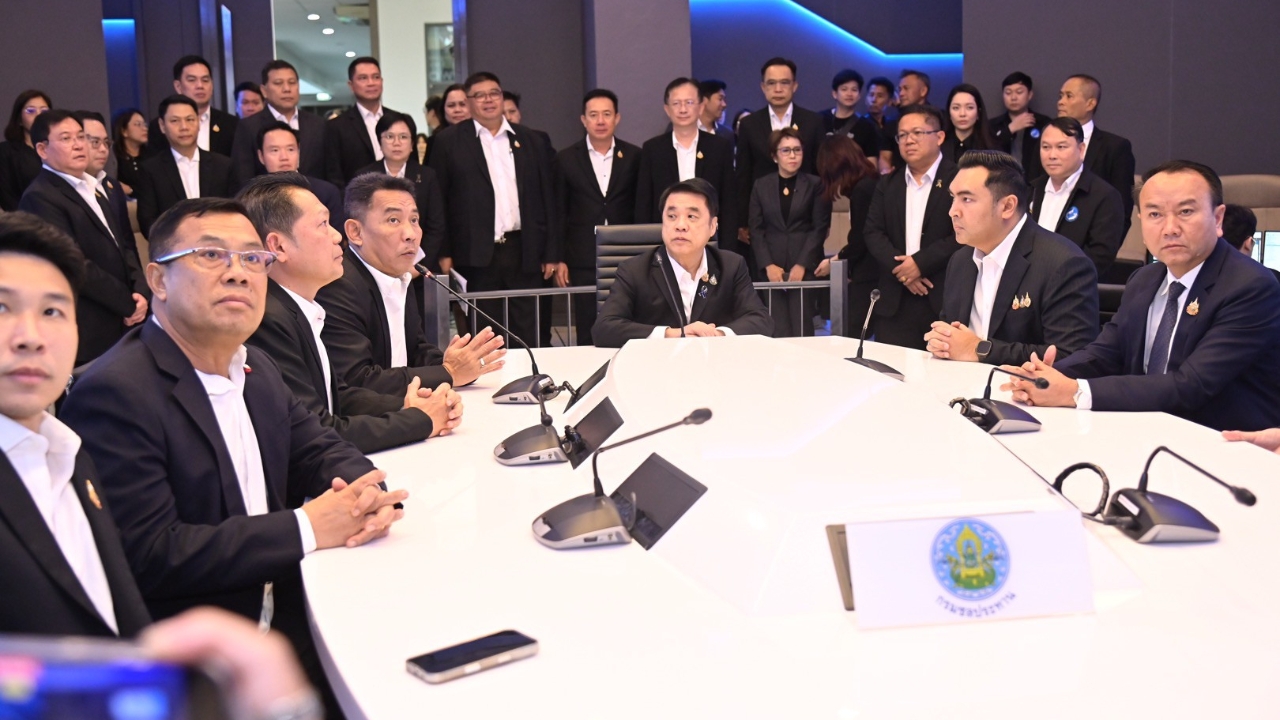
On 5 June 2026 GMT+7, Mr. Suriya Jungrungkit, Minister of Agriculture and Cooperatives, revealed after reviewing the water situation and issuing policy directives for the Royal Irrigation Department that current monitoring and weather forecasting with key agencies show that the ENSO condition remains neutral. However, the El Niño phenomenon is expected to develop from mid-2026 through early 2027, increasing the risk of reduced rainfall, intermittent dry spells, and drought. Consequently, he has ordered all relevant agencies to rigorously implement proactive measures both to prevent floods and droughts, supporting agriculture and ensuring comprehensive care for citizens.
Regarding proactive water management, the Minister has emphasized that the Royal Irrigation Department must take a multifaceted approach starting immediately by creating scenario simulations for both mild and severe El Niño cases. They should define decision points to adjust monthly water management plans to keep pace with volatile weather conditions. Additionally, he ordered a review of reservoir management criteria to align with actual situations, accelerating water storage during the late rainy season as much as safely possible within dam safety limits. This water will be reserved for domestic use and ecosystem maintenance through the next dry season. He also instructed the fast-tracking of water source development projects and irrigation system efficiency improvements, including developing water retention areas, flood detention basins, and water distribution tailored to each area's needs.
To prepare for potential floods during the rainy season, he directed the rapid removal of waterway obstructions and dredging of canals in high-risk areas. Machinery, water pumps, and personnel must be ready for prompt deployment to assist people both within and outside irrigation zones. He stressed close monitoring of recurrent flood-prone areas alongside equitable and comprehensive water allocation planning prioritizing needs. Cooperation with farmers is encouraged to plan crop cycles and promote drought-tolerant plants in vulnerable regions. Furthermore, long-term climate adaptation is a priority, including establishing interconnected water networks and inter-basin water transfers to handle extreme weather. Coordination with local administrative organizations and agencies is essential to communicate information and issue advance warnings to the public.
Minister Suriya concluded that although the country's water situation remains manageable at present, all parties must plan thoroughly to ensure sustainable water security. As of 5 June 2026 GMT+7, large and medium-sized reservoirs nationwide hold a combined volume of 43,093 million cubic meters, equivalent to 56% of total capacity, leaving substantial room for additional water storage. Meanwhile, the Chao Phraya River basin’s four main reservoirs hold 13,175 million cubic meters, or 53% of combined capacity, and can still accommodate over 11,696 million cubic meters. Overall, the water situation aligns well with planned expectations.