

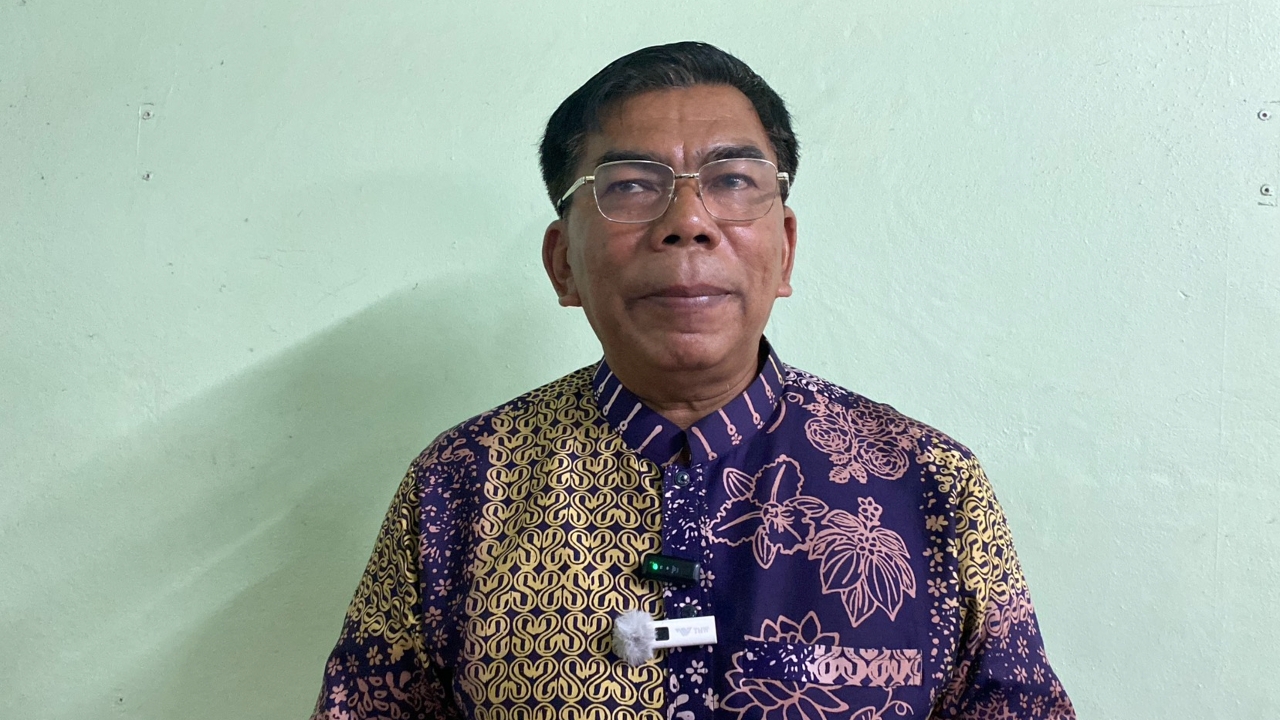
MP Kamolsak exposes suspicious irregularities in the assassination case involving phantom firearms allegedly destroyed by the Navy but found used in a shooting. He warns of possible conspiracies to obstruct justice and protect masterminds, pledging to fight for full accountability.
7 June 2026 GMT+7 Mr. Kamolsak Leewamo, Member of Parliament (MP) for Narathiwat District 5 from the Prachachart Party, revealed updates on the assassination case after filing a complaint with the House of Representatives’ Committee on Law, Justice, and Human Rights. He urged related agencies—including the investigators, the Navy, the Department of Rights and Liberties Protection, and the telephone service provider—to provide explanations after detecting signs of misconduct and attempts to prevent the investigation from reaching the masterminds.
Mr. Kamolsak said the case was carefully planned step-by-step. However, after seven suspects were arrested, there has been no progress in extending the investigation, especially regarding the use of 11 phone numbers, which are key evidence linking the suspects’ criminal behavior. He expressed concern over hidden efforts to block these phone numbers from entering the investigation file, despite the fact that the Yala investigation unit normally has detailed phone data for security cases in the three southern border provinces.
The most shocking revelation before the committee was the forensic examination of two gun muzzles used by the attackers. The first was an M16 rifle which, according to the Navy’s Armaments Department records, was officially listed as destroyed in 2020 due to deterioration, along with 39 other rifles, yet it reappeared being used to shoot at him in 2026.
"Importantly, the forensic report clearly states the rifle was still in good working condition. This issue is no longer just about me; it raises serious questions for the Navy: What happened to the other 39 rifles in that batch? In what condition are they, and who has possession of them? How was the destruction process conducted? Why did a rifle declared destroyed come back to life and get used in a shooting?"
The second rifle bore an English inscription confirming it was a weapon supplied by the U.S. military to the Thai military, likely obtained through joint training and official handover. Yet how it ended up in the hands of gunmen remains unclear. This matter requires further investigation tracing back through the military, the Ministry of Defense, and the U.S. embassy.
Mr. Kamolsak added that the investigators submitted the case file to the prosecutor on 2 June, currently during the fifth detention period. The case involving the vehicle dismantling suspects was separated into a different lawsuit, citing legal technicalities to be used as evidence. He and his legal team plan to meet this afternoon to finalize a request for the prosecutor to return the case for further investigation on unclear points, including the phantom guns and phone data.
"On that day, the investigators cited police regulations that case information was confidential and could not be disclosed to suspects or defendants, but I countered that I am the victim, not the suspect, and I have full rights to follow up on the case progress."
Towards the end, Mr. Kamolsak reflected on the painful perspective from residents in the three southern border provinces. He said villagers have expressed that, fortunately, this incident involves an MP with knowledge and a platform to pursue the case, file additional complaints, and summon agencies to investigate. But if this had happened to ordinary villagers, the case would have ended with no clues about the vehicle’s owner, the shooter, or the source of the guns—just like many past cases that faded away because no one dared to speak out.
"I confirm that my team and I will fight to the end, gather as much evidence as possible, and proceed strictly according to the law. If there are flaws or suspicious intentions in the case handling, we will pursue legal action without exception."