

The "Thai Help Thai Plus" program recorded spending exceeding 16.8 billion baht within 7 days. The government reaffirmed its electricity cost measure, capping the first 200 units at no more than 3 baht each, starting with the June 2026 billing cycle, to support low-income people while simultaneously addressing long-term economic structural issues.
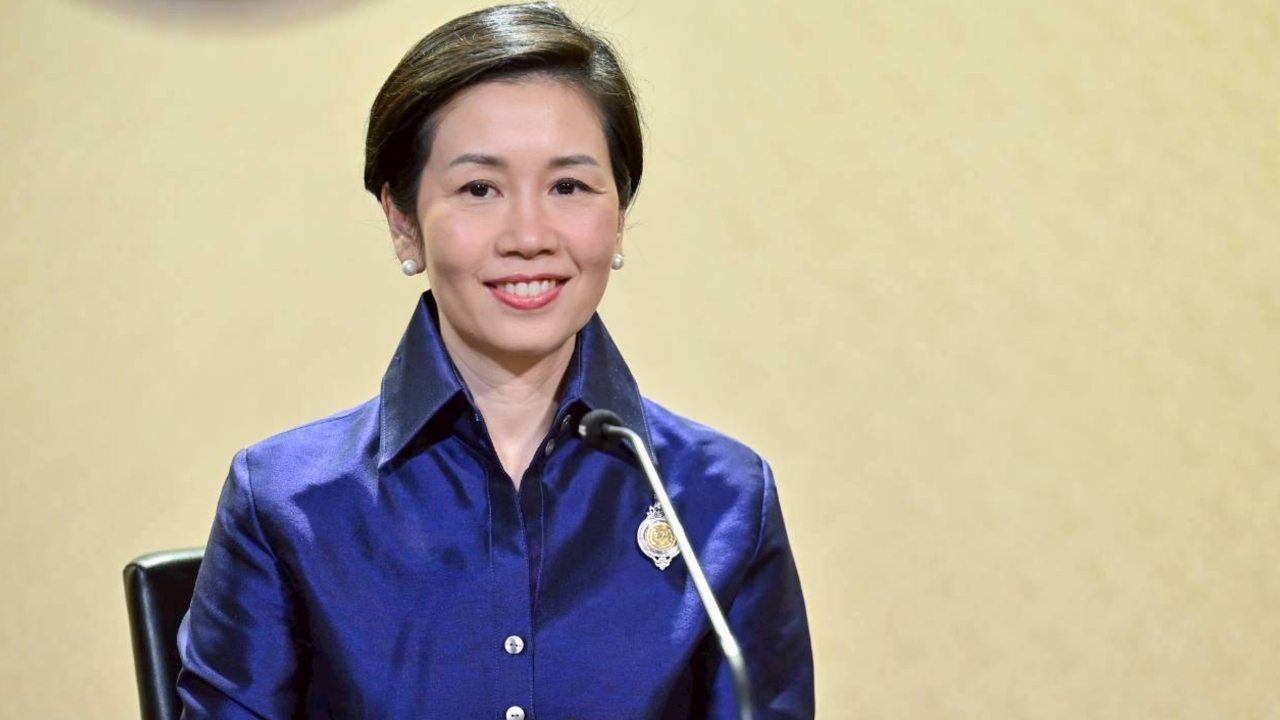
On 8 June 2026 GMT+7, Ms. Ratchada Thanadirek, spokesperson for the Office of the Prime Minister, stated that the government's economic measures under the leadership of Prime Minister and Minister of Interior Anutin Charnvirakul are not limited to short-term measures but focus on supporting grassroots citizens, low-income individuals, and small entrepreneurs amid global economic volatility, high energy costs, and fragile purchasing power. Regarding the first 7 days of the Thai Help Thai Plus program, there was significant activity, with spending surpassing 16,829.82 million baht (as of 5:00 p.m.) and over 300,000 people have already used their full 1,000 baht entitlement. It is expected that purchasing power will continue throughout the program, resulting in sustained income growth for small entrepreneurs.
Ms. Ratchada added that the Thai Help Thai Plus measure is just one tool to cushion the cost of living and is not a complete solution for the economy. This measure helps circulate funds to small shops, community markets, the service sector, and grassroots entrepreneurs to prevent purchasing power from faltering while many people still face high expenses.
At the same time, the electricity bill for June 2026 will begin the measure capping the first 200 units of electricity for residential users at no more than 3 baht per unit. This covers over 20 million households, about 90% of all electricity-using households, providing immediate monthly relief. Electricity costs are not only household expenses but also affect product prices, business costs, and the country's competitiveness. Therefore, the government is implementing both immediate measures and structural solutions simultaneously. Regarding structural reforms, relevant agencies are working on adjusting the progressive residential electricity rates.
Meanwhile, the Prime Minister has appointed a committee chaired by Deputy Prime Minister Pakorn Nilprapunt to review issues from purchasing electricity from private producers. The committee will examine costs including readiness fees, electricity energy costs, and whether some past contract terms remain appropriate given current costs.
Ms. Ratchada concluded that the government is also pursuing other economic measures in parallel, including accelerating investment, attracting new investments, facilitating the business sector, and maintaining fiscal discipline. The government aims to responsibly support vulnerable populations without reckless spending, with goals to prevent leaving low-income people behind, reduce living costs when necessary, and advance long-term economic structural reforms.