

Cabinet meeting on 10 June 2026: The government is fully prepared for the 2026 rainy season with nine comprehensive measures, integrating all agencies for monitoring, warning, water drainage, public assistance, and reducing the impacts of floods and dry spells.
On 10 June 2026, Ms. Lalida Pertvivatana, Deputy Spokesperson of the Office of the Prime Minister, revealed that the Cabinet acknowledged the measures to cope with the 2026 rainy season. As proposed by the National Water Resources Committee (NWRC), the Cabinet assigned relevant agencies to strictly implement these measures and report progress to the NWRC for ongoing monitoring and evaluation. This is to prepare for heavy rain, floods, flash floods, landslides, and dry spells that may occur in various parts of the country.
The Deputy Spokesperson of the Office of the Prime Minister stated that Thailand's rainy season runs annually from 1 May to 31 October (except the eastern side of the southern region, which starts 1 September and ends 28 February of the following year). The government has integrated efforts of all agencies under nine key measures to prevent and reduce impacts on the public, including:
1. Forecasting, pinpointing, and issuing early warnings for risk areas by enhancing rain and water situation forecasts, creating flood, landslide, and drought risk maps, and developing a warning system that reaches the public rapidly and accurately.
2. Reviewing and improving water management criteria across river basins to align with actual conditions, linking data among agencies, and preparing crisis water management plans in advance.
3. Preparing machinery, tools, hydraulic structures, drainage systems, and personnel to be ready 24/7, including inspecting, repairing, and removing waterway obstructions to improve drainage efficiency.
4. Inspecting the safety and stability of dikes, dams, weirs, and embankments, and preparing contingency and emergency response plans in case of damage or sudden flooding.
5. Enhancing systematic water drainage by rapidly removing water hyacinths, floating weeds, and dredging waterways to ensure quick water flow, especially in key economic and vulnerable areas.
6. Establishing pre-disaster water management centers, rehearsing emergency response plans, preparing shelters, evacuation zones, survival equipment, and taking care of vulnerable groups and livestock relocation in risk areas.
7. Accelerating water storage and developing water sources at the end of the rainy season to reserve water for the dry season by managing reservoirs, surface water, and groundwater to their full capacity.
8. Raising risk awareness and strengthening community networks to participate in monitoring, warning, and following water situations, while disseminating accurate information and promptly clarifying misinformation.
9. Monitoring, evaluating, and adjusting measures to match the situation, with the National Water Resources Office and river basin committees continuously tracking, analyzing, and summarizing implementation results throughout the rainy season.
Ms. Lalida further revealed that the 2026 measures have been improved from last year, emphasizing greater use of spatial data and proactive risk management, including monitoring vulnerable areas such as hospitals, elderly care facilities, and at-risk communities, linking data across agencies, establishing early risk monitoring points, and systematically preparing post-disaster recovery plans.
“Under the leadership of Prime Minister Anutin Charnvirakul, the government prioritizes disaster prevention and impact reduction, especially from floods and dry spells that affect the livelihoods of people, the economy, and agriculture. Early preparedness, accurate warnings, and integrated agency cooperation will help ensure effective and swift public assistance and minimize potential damage,” she said.
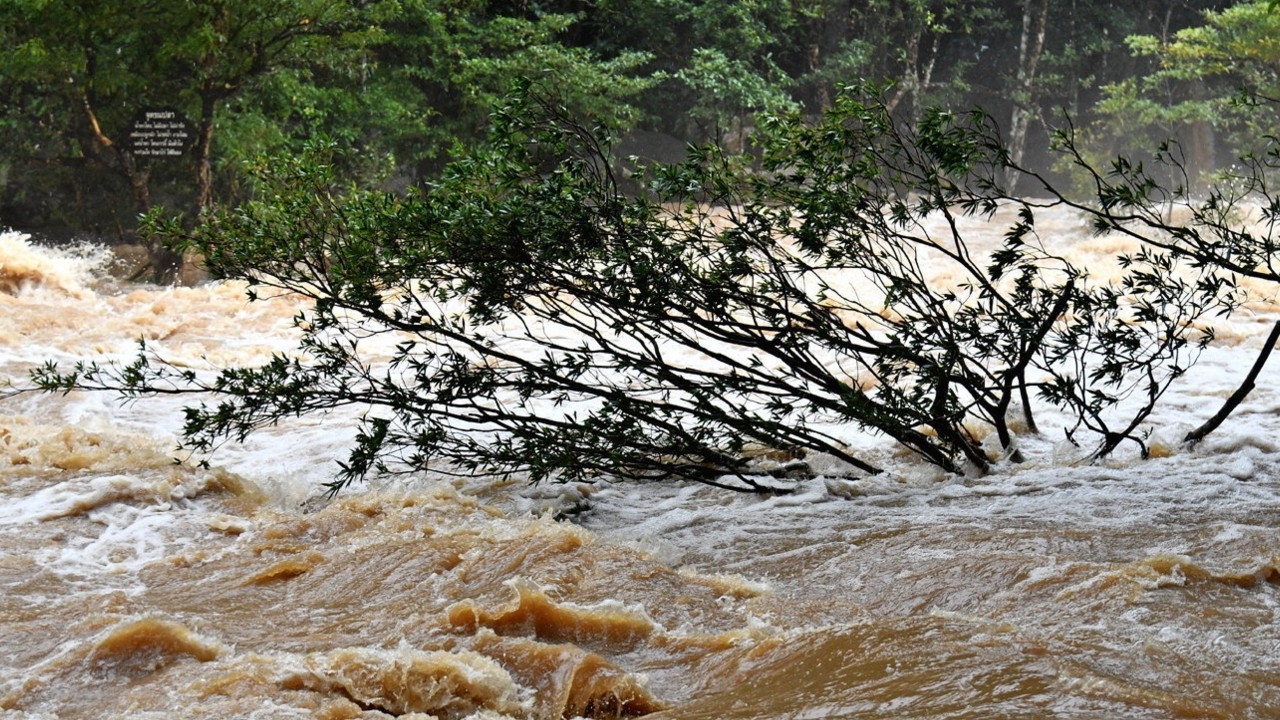
(File photo)