

The Ministry of Education partners with the Director of ONESQA to adopt a digital system linking information databases directly from the cloud, eliminating redundant paperwork and reducing teachers' workload nationwide.
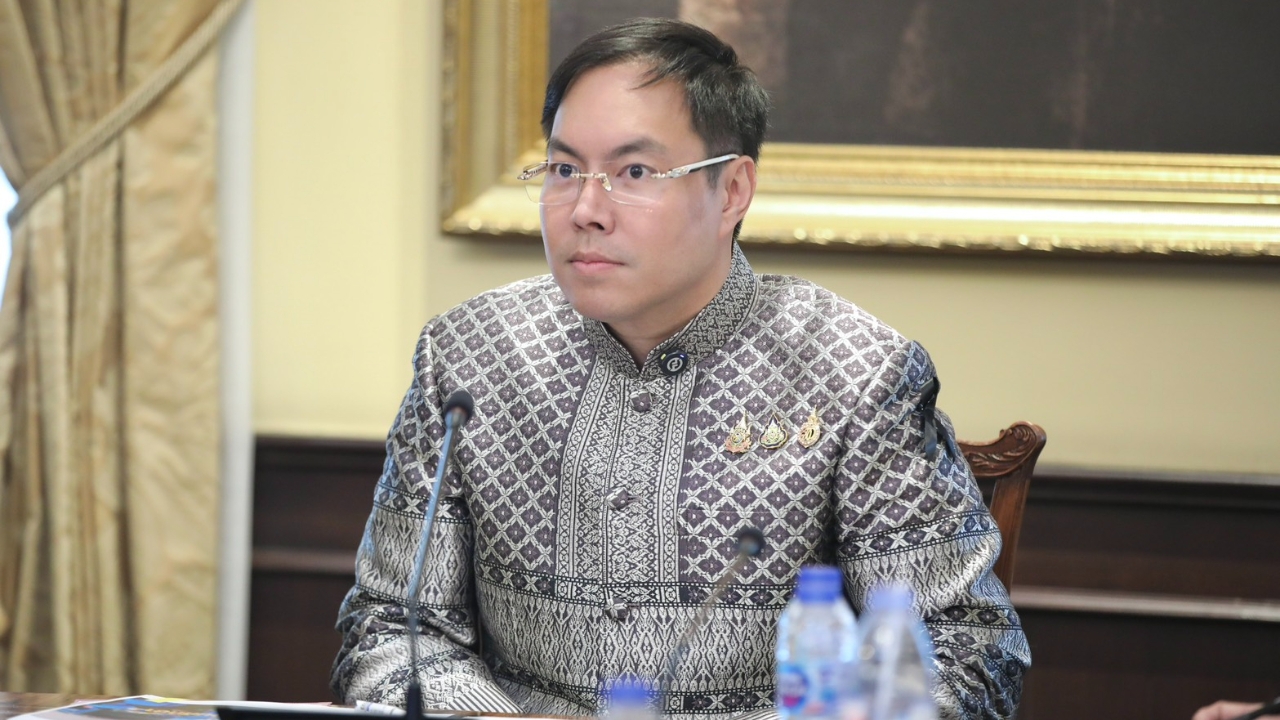
On 16 June 2026 at Vajiravudh Room, Ratchawanlop Building, Ministry of Education, Deputy Minister Akaranat Kanakitinan, along with Dr. Linthiporn Warinwachararoen, Assistant Minister at the Ministry of Education, and Mr. Pakawat Srisurapol, Assistant Secretary to the Minister of Education, welcomed Prof. Dr. Ongart Naiphath, Director of the Office for National Education Standards and Quality Assessment (ONESQA), and his team for a meeting to discuss and realign the direction of the new external quality assurance system.
Deputy Minister Akaranat stated that the Ministry of Education prioritizes reducing teachers' workload, especially for those under the Office of the Basic Education Commission (OBEC), who currently bear heavy burdens in preparing reports and evidence for assessments. While educational quality assessments remain necessary to uphold standards, the redundant and excessive steps must be urgently reduced.
A key approach under consideration is developing a digital system that directly links information databases from the cloud systems of respective agencies, consolidating all data in one place. This would prevent schools from repeatedly entering the same information. He will present this to the Minister of Education and discuss with the Secretary-General of OBEC to promote concrete implementation. He confirmed that while simplifying processes, academic quality standards will be strictly maintained, and the workflow will be streamlined and modernized to give teachers more time to focus fully on teaching.
Prof. Dr. Ongart Naiphath, Director of ONESQA, said ONESQA is ready to drive this policy with the Ministry of Education under the 'ONESQA Synergy' concept. ONESQA will change its role from evaluator to 'development coach' and introduce Cluster-Based Assessment for external quality evaluation. This approach helps small schools with staffing limitations, reduces redundancy in assessments, and allows school administrators to clearly see overall development directions within their clusters. This model has been tested and proven successful and will be a key mechanism to sustainably support the government's policy to reduce teachers' workload.