

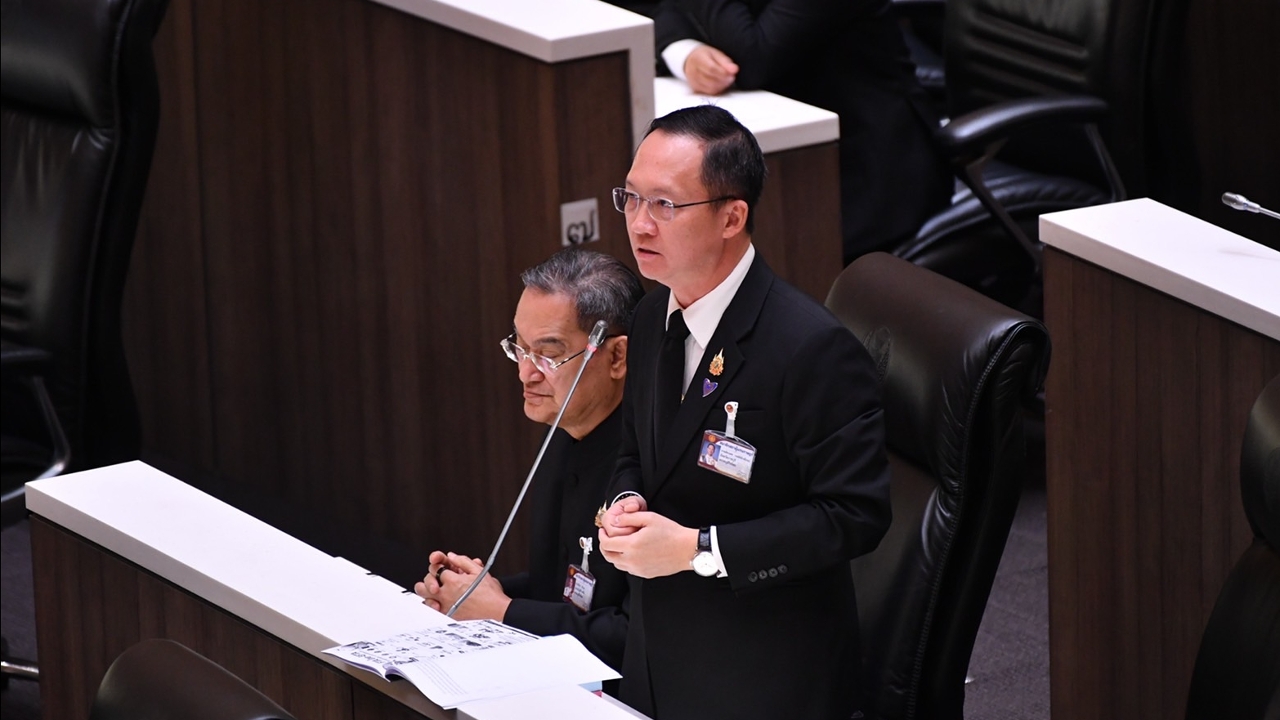
Akardet does not oppose the Thailand-EFTA FTA but insists on measures to support those adversely affected. He is concerned that Thailand's fisheries sector may repeat the crisis faced by dairy farmers and urges the government to promptly establish a compensation fund for those impacted by the agreement.
On 17 Jun 2026 GMT+7, Akardet Wongpitakroj, MP for Ratchaburi from the Bhumjaithai Party, spoke during a parliamentary session reviewing the Free Trade Agreement between Thailand and the European Free Trade Association (EFTA). He affirmed he does not oppose the FTA but emphasized that the government must have concrete measures to support and compensate those affected by trade liberalization.
Akardet stated that FTAs inevitably produce both beneficiaries and those adversely affected. The government must prioritize supporting those impacted, especially in agriculture and small enterprises. He cited the Thailand-Australia and Thailand-New Zealand FTAs, which severely harmed Thailand’s dairy industry, leading many farmers to suffer losses and abandon their livelihoods.
He revealed that the volume of raw milk from the Royal Patronage Dairy Cooperatives, a livelihood granted by His Majesty King Rama IX, has dropped from 250 tons per day to only 130 tons. This decline is because many operators switched to imported milk powder, which costs about 15 baht per liter after reconstitution, while the cooperative buys raw milk from farmers at around 24 baht per liter, making it impossible for farmers to compete.
Akardet also expressed concern that Thailand’s fisheries sector could face the same fate as the dairy industry if trade liberalization occurs without adequate protective and support measures. Imported fishery products might compete with local producers, adversely affecting incomes of marine and freshwater fishermen alike.
Therefore, Akardet called on the government to urgently push forward the enactment of the Compensation Fund Act for those affected by FTAs. He described it as a crucial mechanism to assist, compensate, and enhance the competitiveness of those impacted by future trade liberalization.
"Those who benefit from FTAs may not require additional support, but those adversely affected deserve fair compensation. The government must not leave Thai farmers and entrepreneurs to face these challenges alone," Akardet stated. Akardet said.
Akardet revealed that the current volume of raw milk from the Royal Patronage Dairy Cooperatives, a livelihood bestowed by His Majesty King Rama IX, has fallen from 250 tons per day to just 130 tons due to many operators switching to imported milk powder, which costs about 15 baht per liter after reconstitution, while the cooperative purchases raw milk from farmers at about 24 baht per liter, making it uncompetitive for farmers.
He also expressed concern that Thailand’s fisheries sector could suffer the same fate as the dairy industry if trade liberalization proceeds without sufficient protective and support measures, as imported fishery products might compete with local fishermen, affecting incomes from both marine and freshwater fisheries.
Akardet thus urged the government to expedite the enactment of the Compensation Fund Act for those affected by FTAs. This law would serve as a key mechanism to assist, compensate, and improve competitiveness for those impacted by trade liberalization in the future.
"Those benefiting from FTAs may not need further support, but those adversely affected must receive fair compensation. The government must not abandon Thai farmers and entrepreneurs to face problems alone," Akardet said. "Akardet does not oppose the Thailand-EFTA FTA but demands measures to support those adversely affected, expressing concern that Thai fisheries may face a crisis similar to that of dairy farmers and urging the government to promptly establish a compensation fund for those impacted."
Akardet Wongpitakroj, MP for Ratchaburi from the Bhumjaithai Party, spoke at a parliamentary session during the review of the Free Trade Agreement between Thailand and the European Free Trade Association (EFTA). He confirmed he does not oppose the FTA but believes the government must have concrete measures to support and compensate those adversely affected by trade liberalization.
Akardet stated that FTAs inevitably create both beneficiaries and those adversely affected. The government must prioritize caring for those impacted, especially in agriculture and among small entrepreneurs. He cited the Thailand-Australia and Thailand-New Zealand FTAs, which severely impacted Thailand’s dairy industry, causing many farmers to incur losses and abandon their professions.
He revealed that the volume of raw milk from the Royal Patronage Dairy Cooperatives, a livelihood granted by His Majesty King Rama IX, has decreased from 250 tons per day to only 130 tons because many operators switched to imported milk powder, costing about 15 baht per liter after reconstitution, while cooperatives buy raw milk from farmers at about 24 baht per liter, making competition impossible for farmers.
Akardet also expressed concern that Thailand’s fisheries sector could face the same fate as the dairy industry if trade liberalization proceeds without adequate protection and assistance, as imported fishery products might enter the market and negatively affect incomes of both marine and freshwater fishermen.
He therefore urged the government to expedite the enactment of the Compensation Fund Act for those affected by FTAs, describing it as a crucial mechanism to assist, compensate, and improve competitiveness for those harmed by trade liberalization in the future.
"Those who benefit from FTAs may not require additional care, but those adversely affected must receive fair compensation. The government must not abandon Thai farmers and entrepreneurs to face problems alone," Akardet said. "Akardet does not oppose the Thailand-EFTA FTA but calls for measures to support those adversely affected, expressing concern that Thai fisheries might repeat the crisis of dairy farmers and urging the government to quickly establish a compensation fund for those impacted."
Akardet Wongpitakroj, MP for Ratchaburi from the Bhumjaithai Party, spoke during a parliamentary session reviewing the Free Trade Agreement between Thailand and the European Free Trade Association (EFTA). He affirmed he does not oppose the FTA but stressed the government must have concrete measures to support and compensate those adversely affected by trade liberalization.
Akardet said that FTAs naturally bring both beneficiaries and those adversely affected. The government must prioritize care for those impacted, especially in agriculture and among small entrepreneurs. He cited the Thailand-Australia and Thailand-New Zealand FTAs, which severely harmed Thailand’s dairy industry, causing many farmers to suffer losses and leave their professions.
He disclosed that the volume of raw milk from the Royal Patronage Dairy Cooperatives, a livelihood granted by His Majesty King Rama IX, has fallen from 250 tons per day to only 130 tons because many operators switched to imported milk powder, which costs about 15 baht per liter after reconstitution, while cooperatives pay farmers about 24 baht per liter, making it impossible for farmers to compete.
Akardet expressed concern that Thailand’s fisheries sector might face the same fate as the dairy industry if trade liberalization occurs without sufficient protection and assistance, as imported fishery products could compete and impact incomes of marine and freshwater fishermen.
He urged the government to expedite the enactment of the Compensation Fund Act for those affected by FTAs, describing it as a key mechanism to aid, compensate, and enhance competitiveness for those harmed by trade liberalization in the future.
"Those benefiting from FTAs may not need additional support, but those adversely affected must receive fair compensation. The government must not leave Thai farmers and entrepreneurs to face problems alone," Akardet said. Akardet stated.