

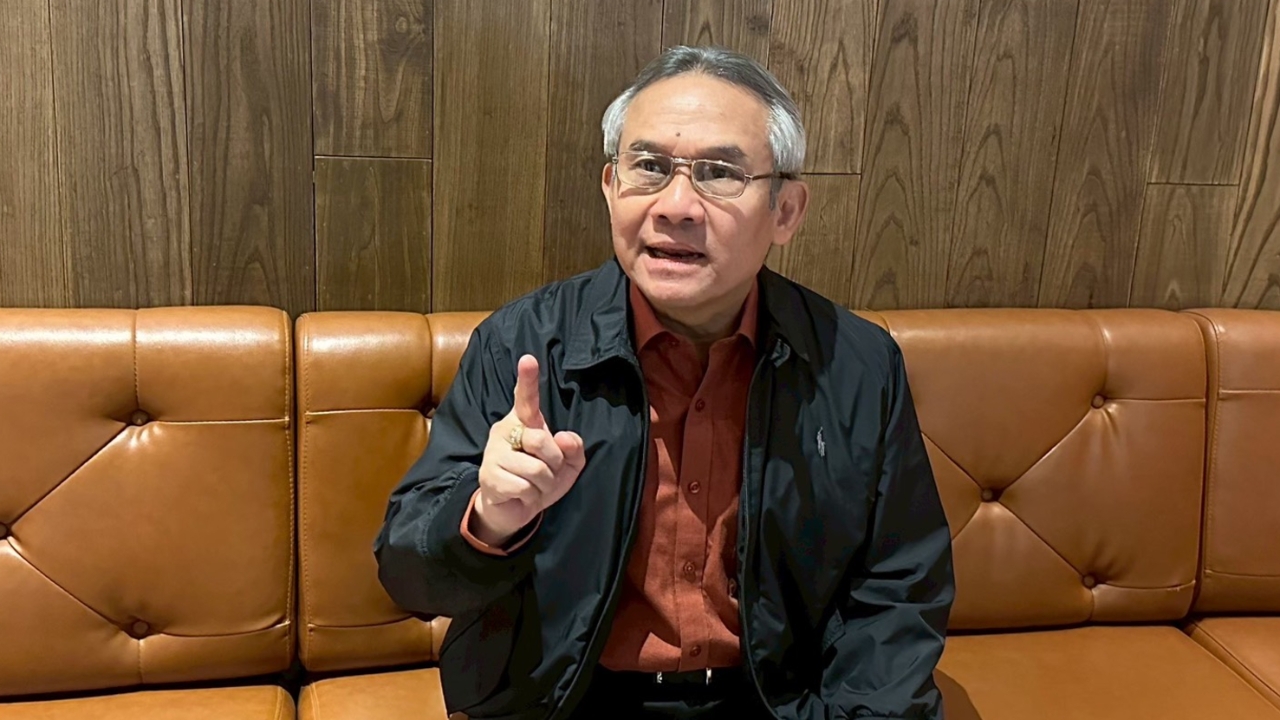
Suradech criticized that transferring the Phuket governor and deputy governors only reduces public pressure without solving Phuket's problems. He proposed using central police forces to crack down, which would intimidate local police and officials. He advised ending the free visa policy as it opens the door for nominee and gray capital investors to come in and compete with Thai jobs and money.
On 19 June 2026, Suradech Yasawat, former deputy leader of the Palang Pracharath Party, commented on solving Phuket's issues. He said transferring Phuket's governor and deputy governors is merely a superficial fix that misses the point. The two deputy governors involved in conflicts and linked to various issues in Phuket were reassigned to Nakhon Si Thammarat and Songkhla provinces. This is not a punishment because the Ministry of Interior knows these provinces are also grade-A with similarly large interests. The transfers only aim to reduce public pressure. The governor who was transferred to deputy permanent secretary of the Ministry of Interior confirms rumors about threats of transfer. Since the former governor worked well, causing dissatisfaction among deputies who opposed many actions, why not let him continue to solve problems?
Suradech said that solving problems requires a systemic approach and balancing power among provincial officials. Such management needs central police involvement, starting with data collection. The government knows who collects protection fees, who leads, and which foreign nominee groups are involved; this is easily verifiable. Especially in tourist provinces, identities are known. Phuket should be a model for managing influential figures, with central police such as the Crime Suppression Division and the Department of Special Investigation (DSI) conducting inspections. Their presence would alert local police and officials to act cautiously and deter extortion. The Crime Suppression Division operates nationwide with legal authority to investigate and arrest.
Suradech continued that regarding foreign nominee shareholding and gray capital, the current Foreign Business Act of 1999 (B.E. 2542) carries strict penalties: imprisonment up to three years or fines ranging from 100,000 to 1,000,000 baht (or both), plus daily fines of 10,000 to 50,000 baht. If rigorously enforced, nominee arrangements would decline significantly. However, the government must make examples to deter others.
Suradech said that with the ongoing wars in the Middle East and Russia-Ukraine, people from these countries, both good and bad, seek new places for refuge or business. Most consider Thailand due to its affordability, leading to over 30 million tourists annually. He believes the free visa policy is unnecessary now as it risks uncontrolled entry. Reducing free visa duration from 60 to 30, 15, or even 10 days is ineffective since entry remains free. The policy should be canceled to allow the Ministry of Foreign Affairs to screen foreigners from the start. This would make entry and exit harder for nominees and gray capitalists, who would face background checks on criminal records. It would also hinder illegal businesses. Security must come first. Currently, many gray capitalists from China have fled there and settled in Thailand, bringing networks and engaging in scams and illegal activities. Additionally, Israelis have occupied Ko Pha Ngan island and Pai district in Mae Hong Son province. These issues must be resolved to prevent foreigners from taking Thai jobs and causing problems.
Suradech addressed concerns that canceling free visas might hurt tourism by questioning how one knows tourism will decline. Quality tourists who visit and then return home are important, not those seeking illegal business opportunities. Screening must be done through Thai embassies only. Regarding international relations, discussions should clarify the necessity of cancellation due to current problems, with the Ministry of Foreign Affairs negotiating accordingly. Thus, free visas should be canceled at least during this period, as it poses security risks.
"I want the Prime Minister and government to be serious, not just superficial gestures, site visits, ministerial assignments, or transfers of governors and deputies. They must implement concrete solutions so that people genuinely feel problems are addressed and visibly reduced," Suradech stated.