

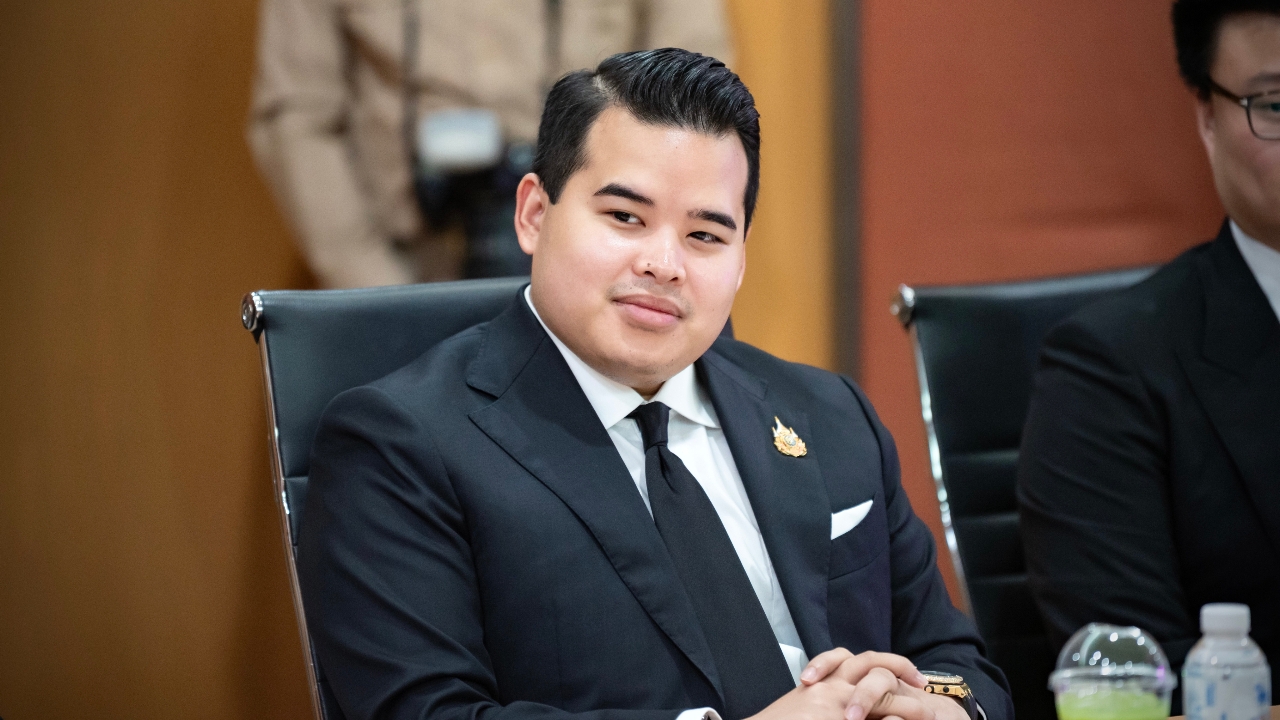
Pheerawat revealed that within just three months, Thailand's inflation surged by 3.67 percentage points. He urged the Commerce Minister to return to addressing the problem of high prices by establishing price control barriers before citizens are financially ruined, rather than merely holding meetings.
On 20 June 2026, Pheerawat Somwong, Deputy Spokesperson of the Kla Tham Party and opposition member, commented on Thailand's cost of living and inflation situation. He stated that current economic figures clearly signal danger, yet the Ministry of Commerce, led by Deputy Prime Minister and Commerce Minister Supachai Sutthampan, has yet to demonstrate tangible, measurable price control measures to the public.
Pheerawat said Thailand's overall inflation flipped from minus 0.88% in February to 2.79% in May, rising 3.67 percentage points in just three months, with April peaking at 2.89%. These figures are not just charts at press conferences but reflect rising prices in oil, transportation fares, ready-made food, fresh vegetables, and daily necessities, all eroding household incomes.
“People do not feel reassured by words like ‘closely monitoring the situation.’ Every day the Ministry of Commerce monitors, prices keep rising, but people’s incomes do not follow. If the ministry’s actions are limited to meetings, setting up task forces, site visits with photos, and occasional discount events, we must ask directly: is this solving the problem, or just a staged cost-of-living performance for show?” Pheerawat said.
Pheerawat noted that the Ministry of Commerce itself acknowledges May’s inflation pressure came from high oil prices, Middle East conflicts, the closure of the Strait of Hormuz, public transport fares, and businesses gradually passing costs to ready-made food prices. This means the ministry knows the causes, the cost transmission paths, and which products will be affected, but the question is: after knowing this, what concrete preventive actions have been taken?
“High oil prices did not just happen yesterday. The ministry knew in advance that costs would flow from oil tankers to transport vehicles, from transport to factories, from factories to shops, and ultimately hit consumers’ wallets. Instead of building protective barriers, they let costs reach the dinner plate, then express concern.”
The Kla Tham deputy spokesperson said Thailand must not be like a “frog in a well,” as this inflation crisis is not unique to Thailand. The US had 4.2% inflation in May, the highest in over three years, with energy prices up 23.5% year-on-year and gasoline prices rising more than 40%.
Moreover, the US producer price index rose 6.5%, the highest since November 2022, with energy costs in manufacturing up 10.7%, and transport and warehousing costs up 2.6%, reflecting accumulating upstream costs poised to pass on to consumer prices.
In Taiwan, although the central bank kept its policy interest rate at 2%, it announced a tightening stance after May inflation exceeded the 2% alert level, preparing to seriously address energy price risks.
“Other countries are looking ahead and planning to manage inflation before it spreads system-wide, but Thailand’s Commerce Minister seems to be looking in the mirror, checking image and repeating old lines that the situation is under control, even as numbers contradict those words.”
Pheerawat continued that the worrisome point is the Ministry of Commerce still forecasts 2026 inflation within 1.5–2.5%, with a midpoint of 2%, while the Bank of Thailand projects average inflation could reach 2.9%, exceeding the ministry’s target range and occasionally surpassing 3%.
The Bank of Thailand also warned that energy cost pass-through to product prices may take 6–8 months to fully appear, with vulnerable groups including ready-made food, condiments, personal care items, cleaning products, petrochemicals, and plastics.
“This means the current impact people are facing may not be the largest wave yet, as other costs remain in factories, stock inventories, and transport systems. If the Commerce Minister underestimates the reality, when a large cost wave hits, who will be responsible? Or will the burden again fall solely on citizens?”
Pheerawat demanded the Commerce Minister disclose verifiable performance data, such as how many price increase requests have been received, approved or rejected; how many cases of price gouging and hoarding have been prosecuted; which essential goods’ prices have fallen due to ministry measures; and the stock levels of fertilizers, animal feed, plastic pellets, and key raw materials, and how many months they can cover.
Additionally, he called for transparent reporting on cost-of-living relief programs: their budget, how many households were reached, and the actual average expense reduction per household, rather than citing only the number of sales points or ministerial visits as achievements.
“The Commerce Minister may not have started the global conflict or set world oil prices, but is responsible for preventing external inflation from burning Thai people’s wallets. Today, people do not ask how many meetings have been held, but want to know how much prices have decreased.”
“Thailand has no time to watch the next act of this drama. The Ministry of Commerce must stop playing observer and return to seriously protecting the cost of living. If people are left to battle high prices alone, inflation figures might eventually fall, but public confidence in the government may never return,” Pheerawat said.