

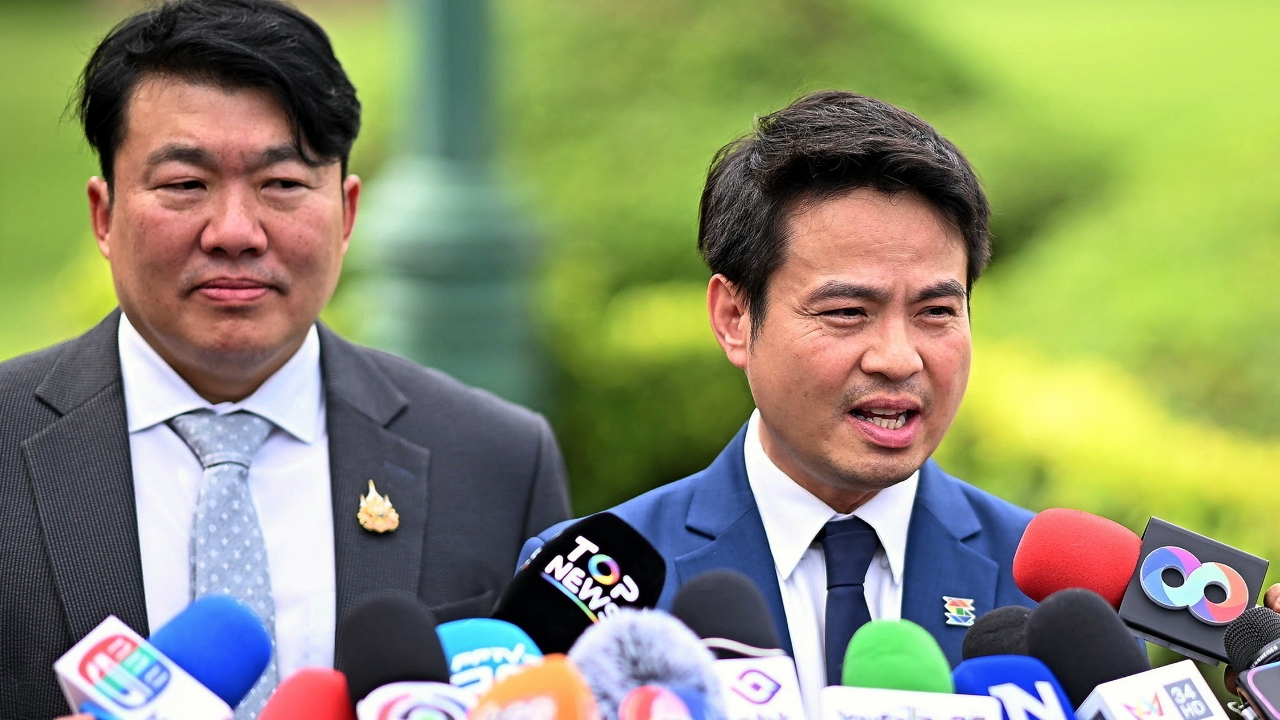
Pradorn defends the TH-AI Passport project, emphasizing the need for verification based on factual evidence and stressing that no party should have the right to decide the truth on behalf of the country's review process.
On 21 Jun 2026 GMT+7, Mr. Pradorn Prissanantakul, Minister attached to the Prime Minister's Office, addressed the opposition party's call to cancel the TH-AI Passport project, citing concerns over cost-effectiveness, redundancy with existing AI services, and legal and security issues. He said society should distinguish between conducting investigations and ordering project cancellations. It is the opposition's right and duty to scrutinize government budget use and operations to ensure transparency and maximize value. However, such investigations must be based on facts and fair procedures, not premature conclusions before relevant agencies reach a verdict. If there are concerns about legality, cost-effectiveness, or data security, information should be disclosed and thoroughly examined. Immediate calls for cancellation without conclusive findings that the project is illegal or harmful could have other societal impacts that must be considered.
Mr. Pradorn stated that Thailand is currently transitioning to a digital economy and AI competition, with many countries worldwide accelerating investments in infrastructure, technology, and citizen skill development. Debates about the suitability of projects are normal, but they should not result in blocking all efforts outright. Claiming that free AI already exists and therefore such projects are unnecessary reflects a narrow perspective. The key question is not whether free AI tools exist, but whether all Thai people have access to quality tools. Numerous academics and experts have warned that if the government cancels the project without clear legal or factual conclusions, it could lead to contractual disputes and financial liabilities borne by the public in the future. The best approach is to allow thorough investigation: if illegality is found, legal action must follow; if the project is not cost-effective, it should be improved or terminated. But as long as the review is ongoing, no one should rush to premature judgment. Investigation is a vital democratic mechanism, but preemptive conclusions are not. If society wants the most accurate answers, it should allow facts to take their course and decisions to be based on data, not political currents. The opposition's role is to scrutinize; the government’s role is to explain; but no side should have the right to determine the truth in place of the national review process.