

Sirikanya exposes that the 2027 budget cuts investment spending across all ministries, but the Ministry of Digital Economy’s budget rises by 30%. She calls attention to the upcoming parliamentary debate on the 2027 budget and the TH-AI Passport Phase 2 project entering parliament on 29 June. She criticizes the government for a 'cornered' budgeting approach amid rising regular expenses.
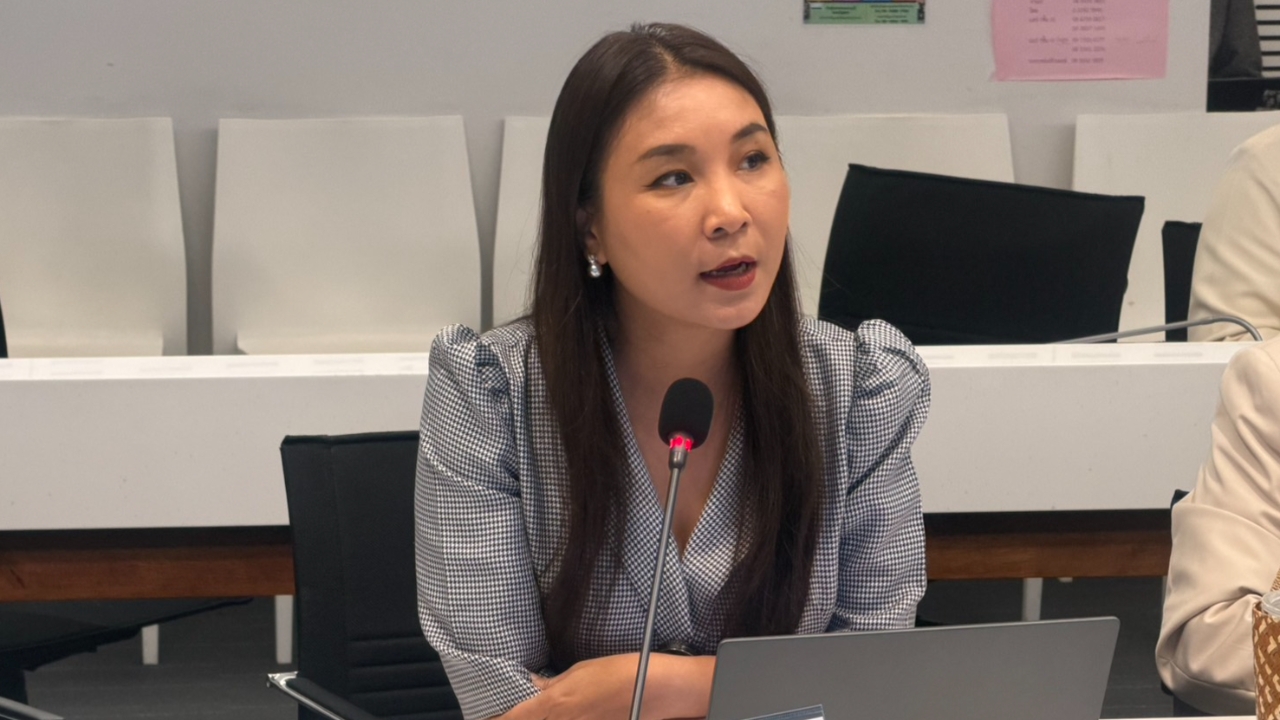
On 22 June 2026, at the parliament during the 7th Shadow Cabinet meeting of the Prachachon Party, Sirikanya Tansakul, a party-list MP and deputy leader, stated that the first reading of the budget bill will enter parliament from 29 June to 1 July. After reviewing the draft budget bill for fiscal year 2027 from the Cabinet, the final approval expected tomorrow aligns with the 18 June version. The core budget remains unchanged. This year is marked by a 'cornered' budget, with long-standing chronic issues no longer concealable. Regular expenses spike by 120 billion baht, while investment spending is cut by 70 billion baht.
Examining the details of the increased regular expenses reveals that civil servant pensions alone rise by over 20 billion baht, contributions to the Government Pension Fund increase by more than 50 billion baht, and interest payments climb by over 40 billion baht. These three alone total about 100 billion baht, explaining why budgets for other agencies, especially investment-heavy ministries like Transport, are cut by tens of billions.
Sirikanya added that the rise in pensions and interest payments does not mean expanded welfare or a desire to pay more interest, but rather that the budget is being adjusted to reflect reality better. Previously, pension allocations were deliberately set below actual needs, though actual spending has been nearly 400 billion baht for years, leading to reliance on central contingency funds and cash reserves. In 2027, 70 billion baht will come from cash reserves due to insufficient pension and interest budget allocations.
"This year, the government is truly cornered and can no longer manipulate budget figures as before. It must accept the harsh reality of Thailand’s severe budget situation," she said.
Sirikanya also noted that another matter for tomorrow’s Cabinet meeting is the 2026 budget transfer bill. With little time left, she warned from the start that transferring budgets in the third quarter would yield limited amounts, which proved true. Only 10 billion baht was transferred out of a 100 billion baht target, causing temporary suspension of procurement until the Budget Bureau decides which projects proceed. This delayed disbursement wastes time and reflects the 'cornered' fiscal situation in 2026, where even small amounts must be conserved to maintain budget use throughout the year.
The government indicated that the 10 billion baht transfer will likely be used to mitigate impacts from clashes at the Thai-Cambodian border. Although the amount is small, scrutiny remains necessary to ensure proper cuts and allocations. Details will first be revealed on 23 June and enter parliament on 25 June. She urged the public to closely monitor and scrutinize both major budget debates.
"Amid widespread budget cuts across agencies, one ministry received a 30% increase: the Ministry of Digital Economy. The agency with the largest increase is the National Digital Economy and Society Commission (NDEC), owner of the TH-AI Passport project, whose budget doubled. Importantly, the Ministry’s Permanent Secretary confirmed that TH-AI Passport Phase 2 will be presented for parliamentary oversight. Previously funded by the Ministry’s digital fund—less transparent and harder to audit—it now seeks parliamentary approval to ensure openness and public participation through their representatives."